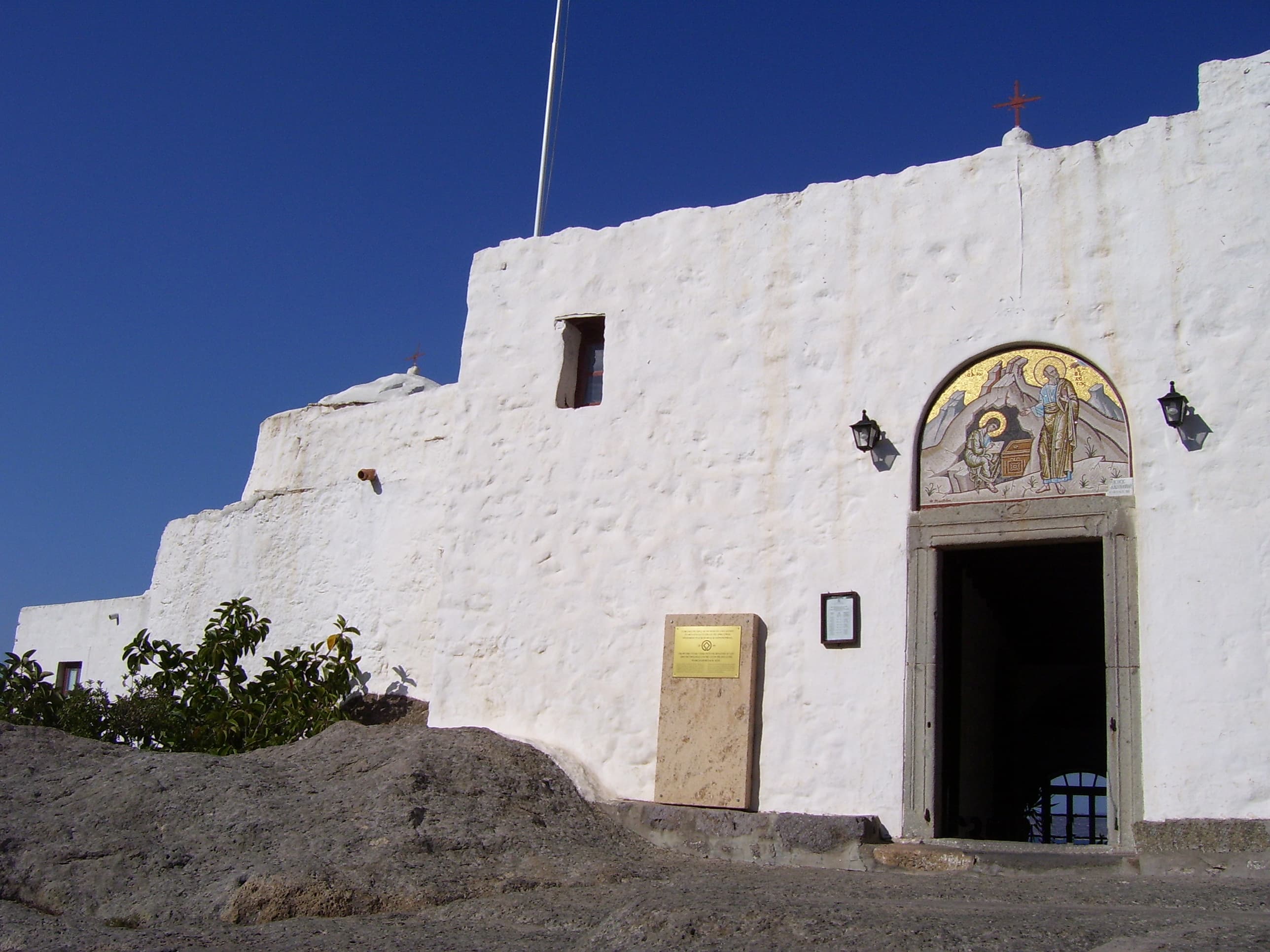
The cave of Revelation
By tradition, St John the Evangelist was exiled to Patmos around AD 95 and wrote the last book of the Bible in a cave on the hillside, the Cave of the Apocalypse. Pilgrims still come from all over the world to see it.
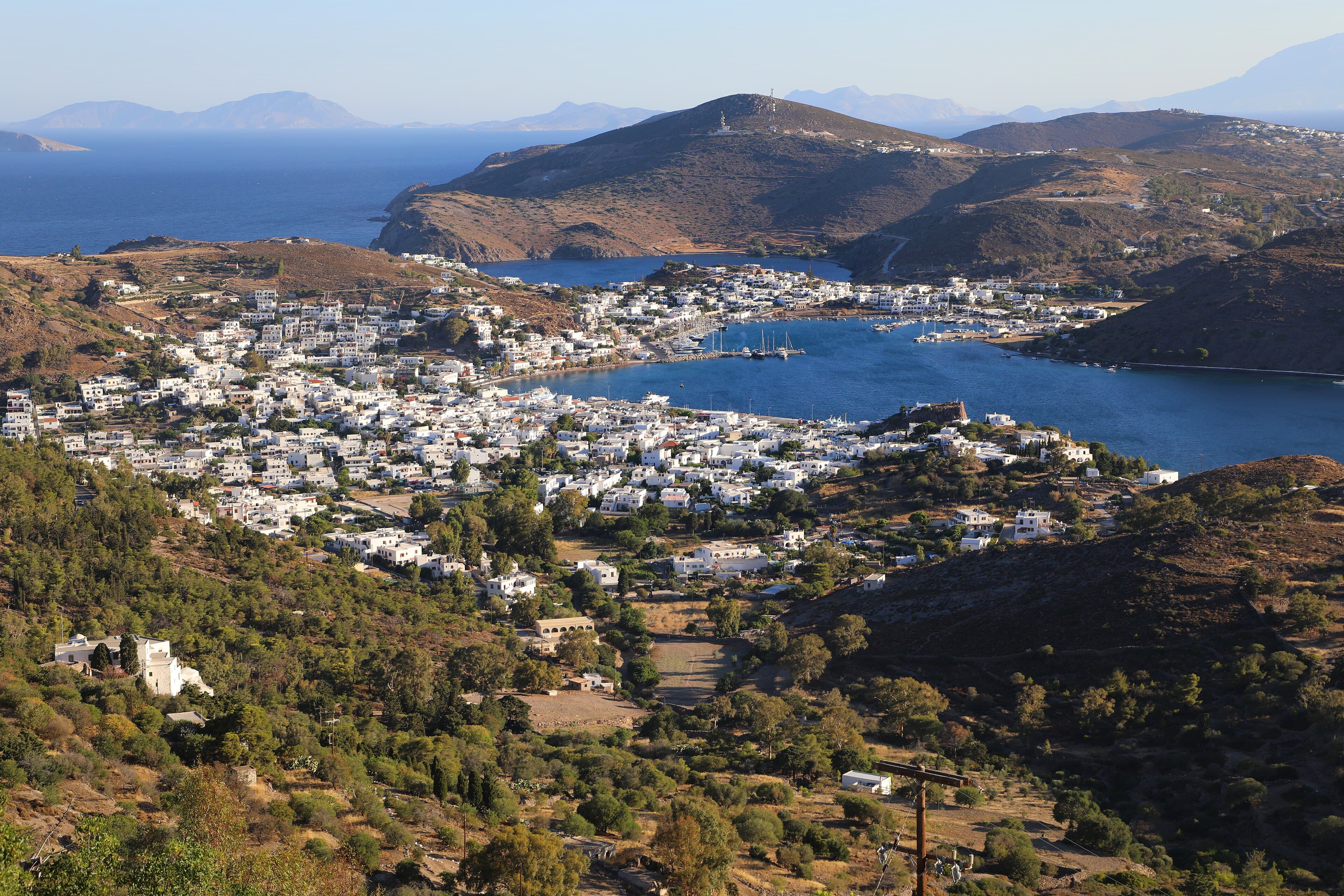
Πάτμος · The island of the Apocalypse, quiet and white
Climb to a fortress monastery above a white town, see the cave where St John wrote Revelation, and swim in small bays on an island with no airport and no crowds after dark.
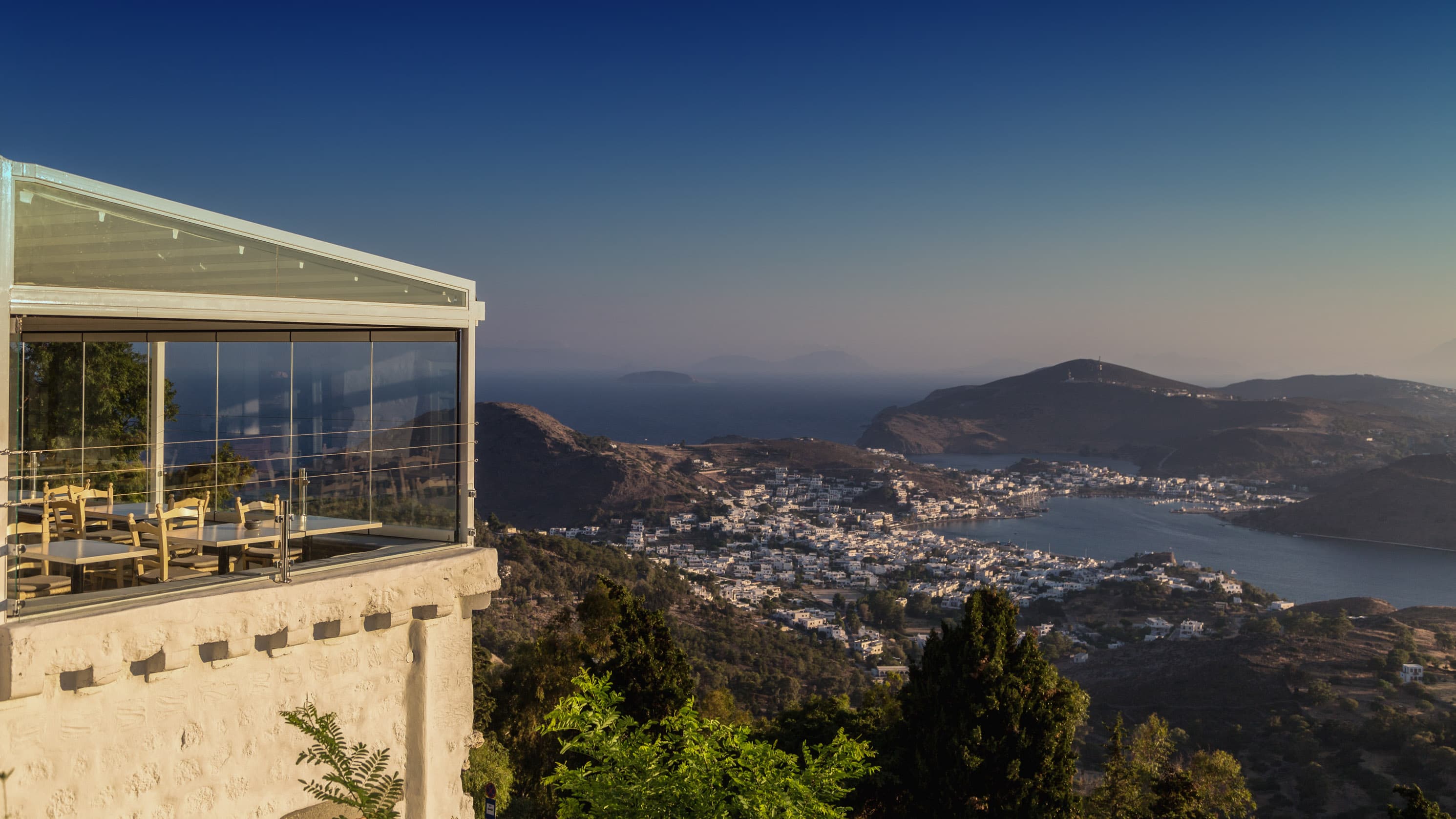
Greetings from Patmos
Patmos
There is no airport, so we came by sea, and the first thing we saw was the monastery on its hill above the harbour. This morning the bells woke us in Chora. We spent the afternoon on a beach of coloured pebbles with one taverna and nobody else, and now we're on a terrace above Skala, watching the evening ferry come in, all lit up.
Hour by hour
From the monastery bells in the morning to dinner below its walls, with the best beaches on the island in between.
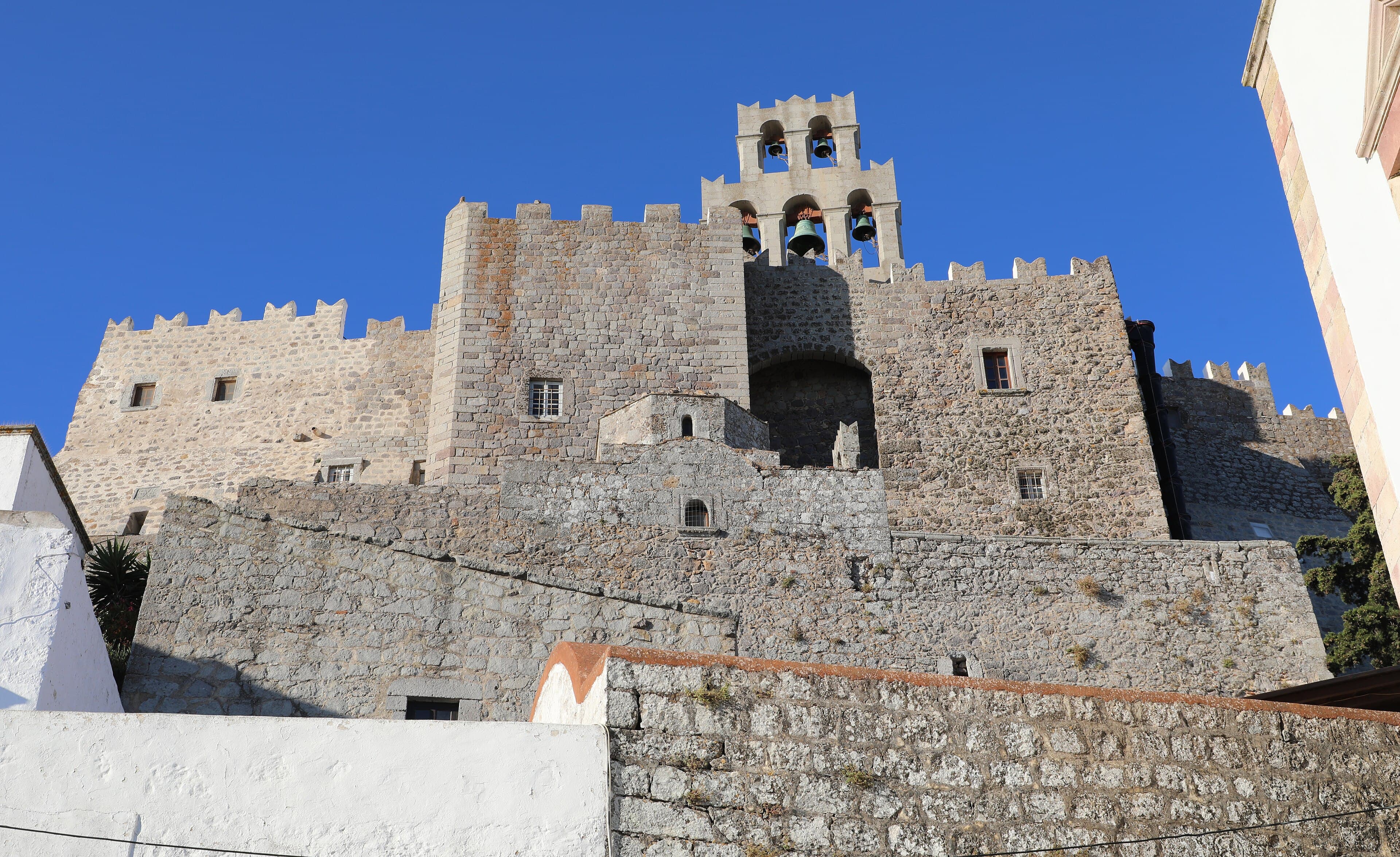
Be at the gate of the Monastery of St John when it opens. Walk through the courtyards, the frescoed church and the treasury while the cruise passengers are still at sea.
Walk down the old cobbled path to the cave where, by tradition, St John heard the visions of Revelation. It is small and dim, and still a place of prayer, so go quietly.
Take the caïque from Skala to Psili Ammos, the island's one big sandy beach, under tamarisk trees in the far south. Bring water and something to eat, and swim until the boat goes back.
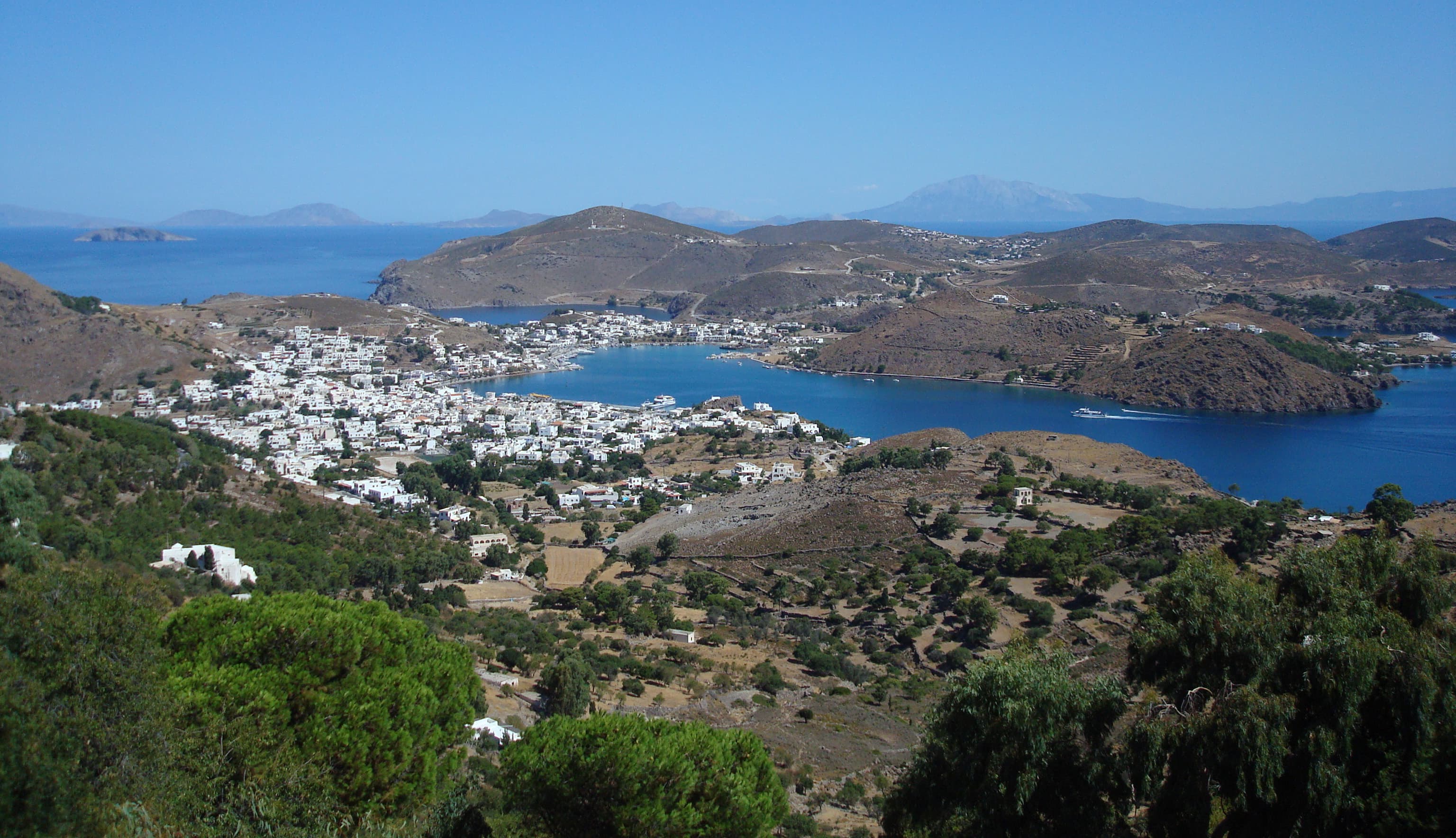
Drive to Grikos and walk along Petra beach to the great rock of Kalikatsou. Swim in the calm, shallow water as the light turns gold, then eat slow-cooked chickpeas looking over the bay.
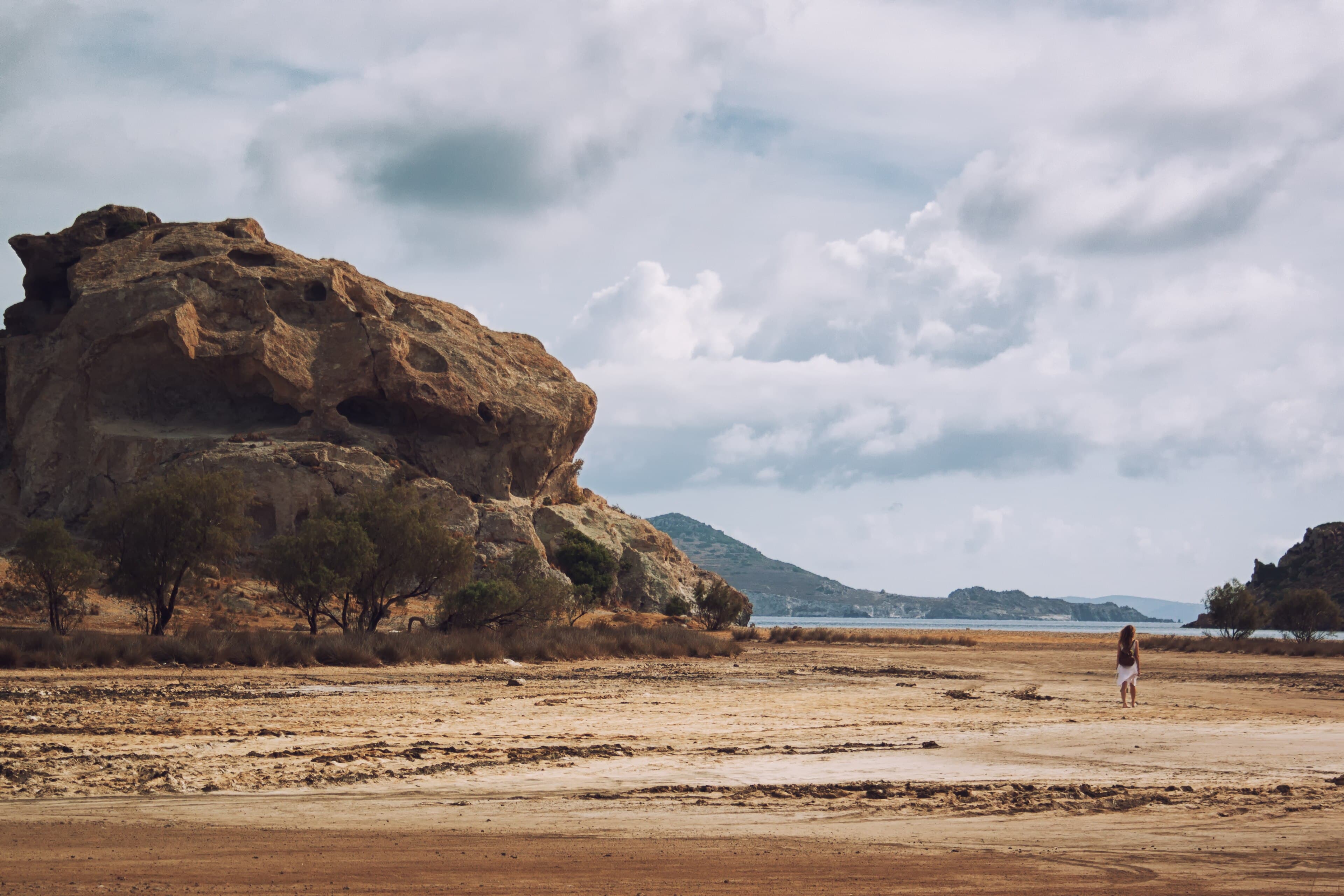
Drive up to Chora for the sunset by the windmills on the ridge, with the sea and the islands all around.
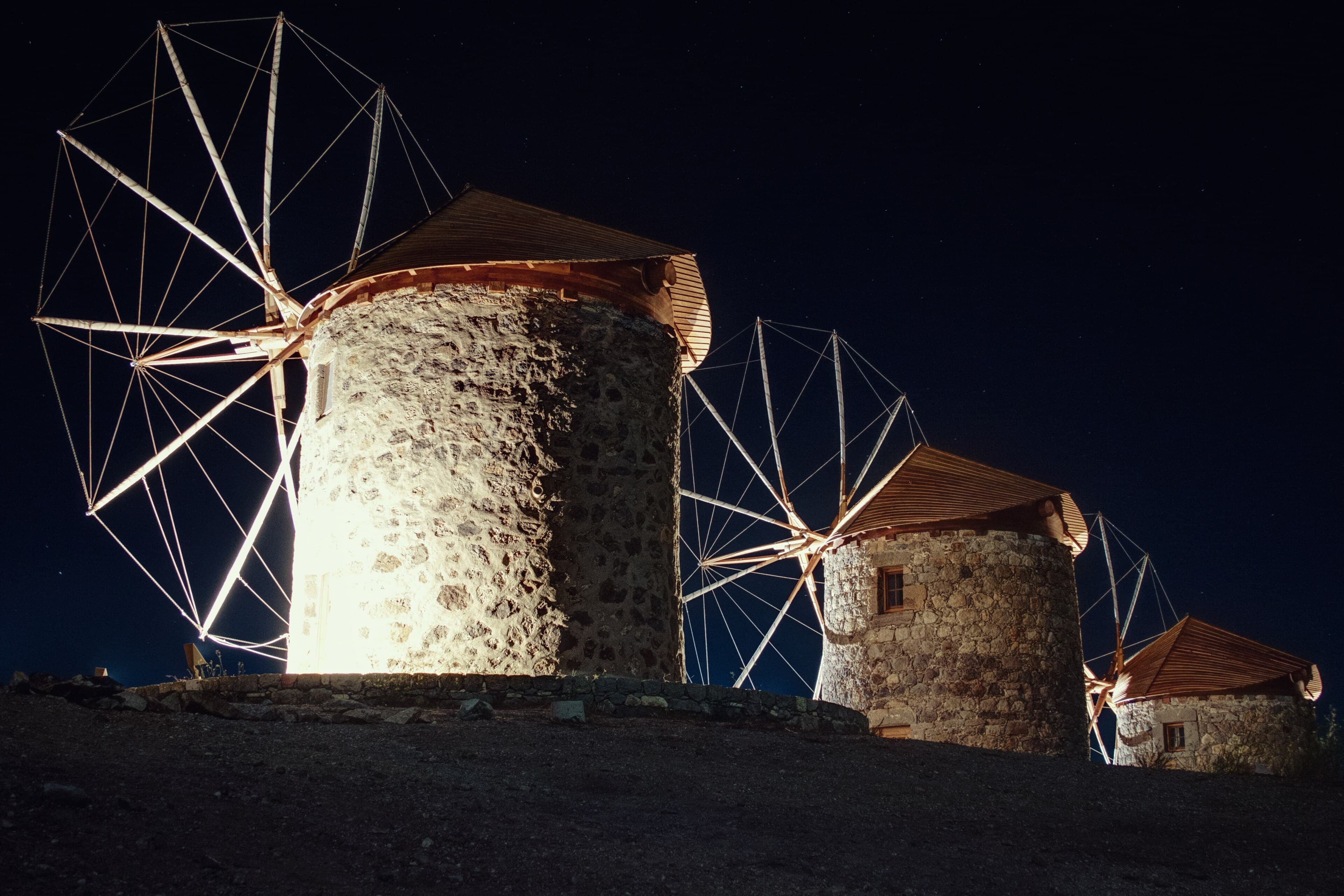
Eat on a little square below the monastery walls, and walk home through the empty white lanes.
Where to stay
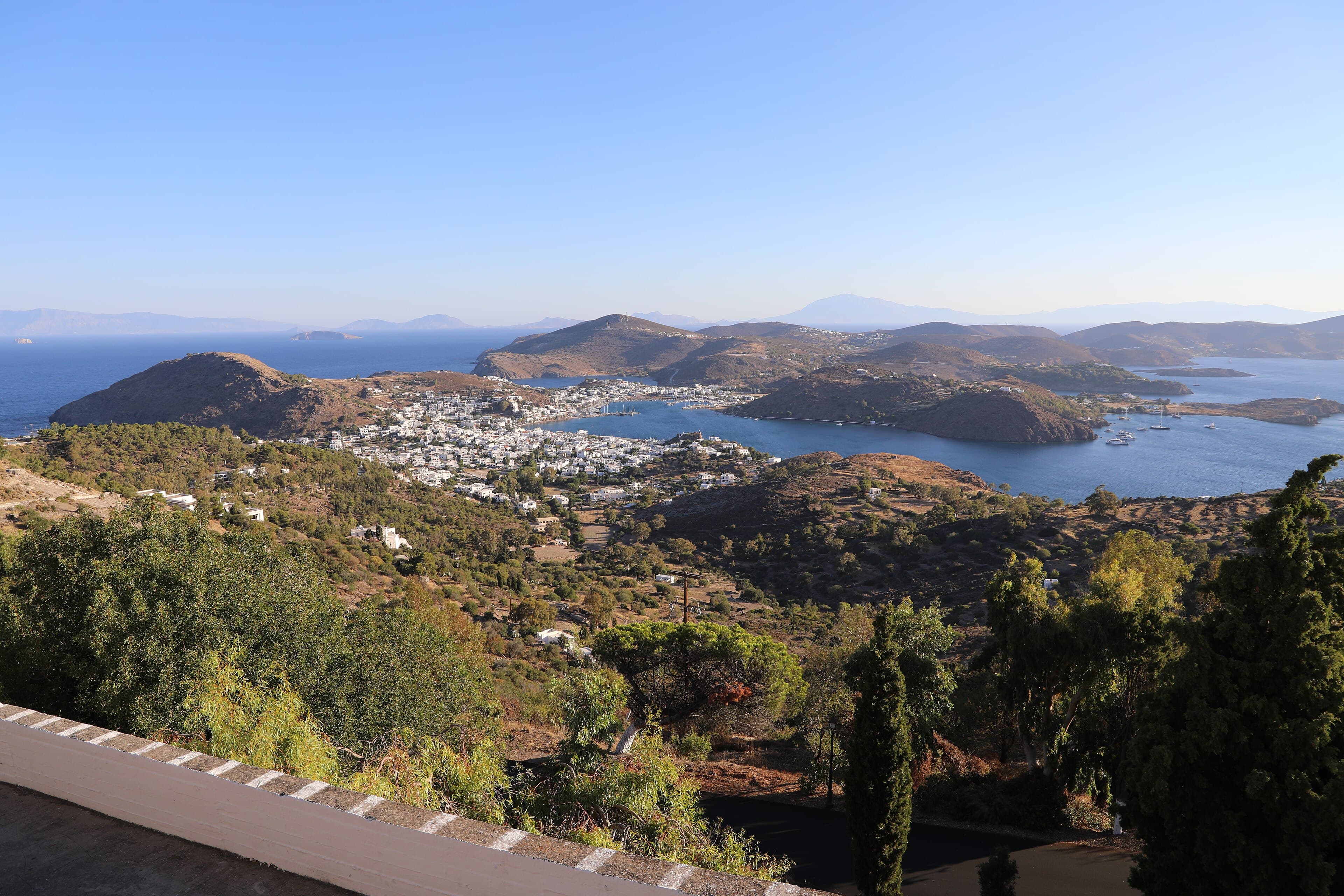
Above Skala
Patmos Eye Boutique Hotel & Villas · Boutique hotel & villas · €€€
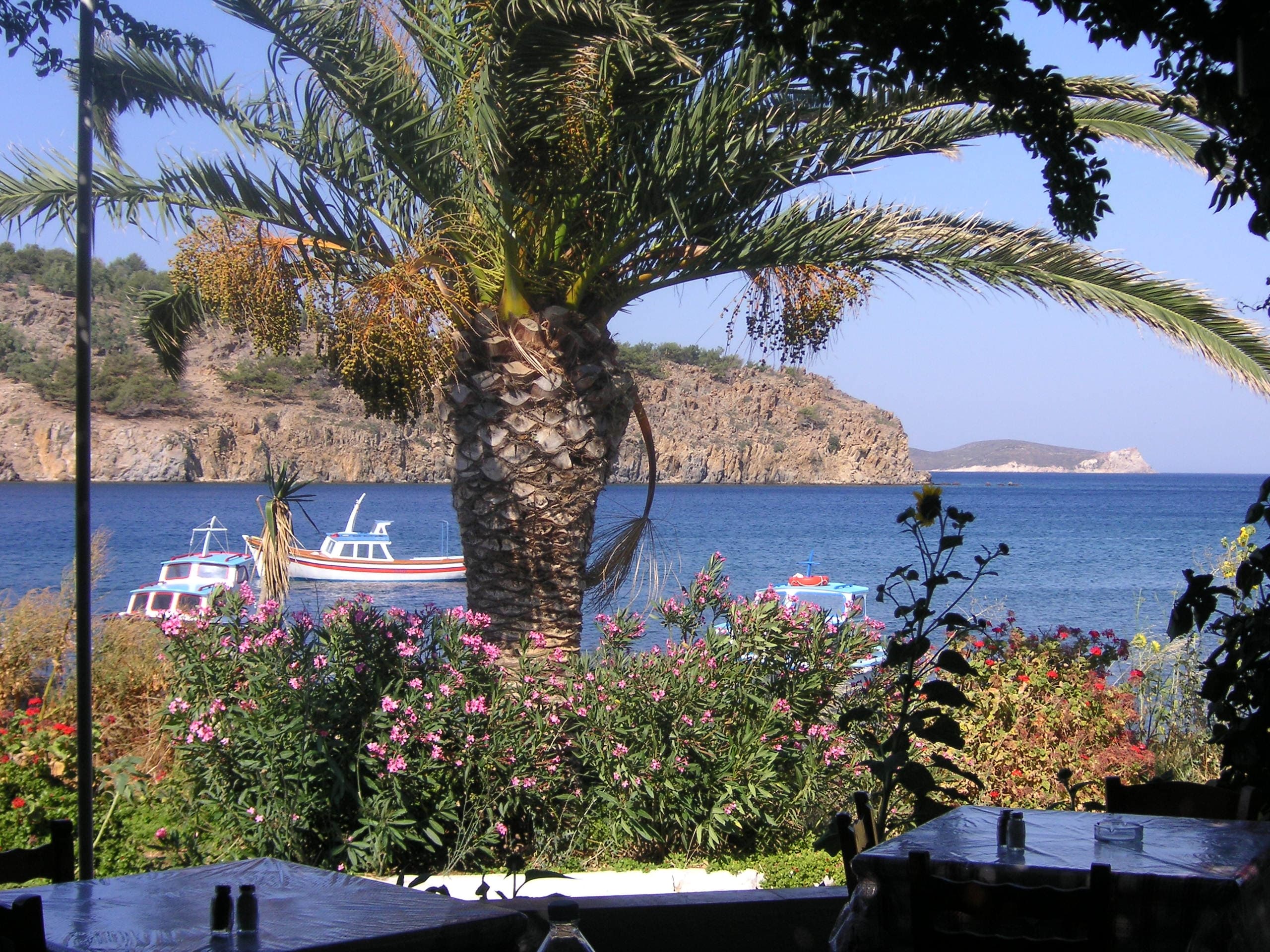
Meloi
Porto Scoutari Romantic Hotel & Suites · Romantic boutique hotel · €€€
Grikos
The Petra · Luxury boutique hotel · €€€€
Only on Patmos
What makes Patmos different from every other island in the Aegean.
By tradition, St John the Evangelist was exiled to Patmos around AD 95 and wrote the last book of the Bible in a cave on the hillside, the Cave of the Apocalypse. Pilgrims still come from all over the world to see it.
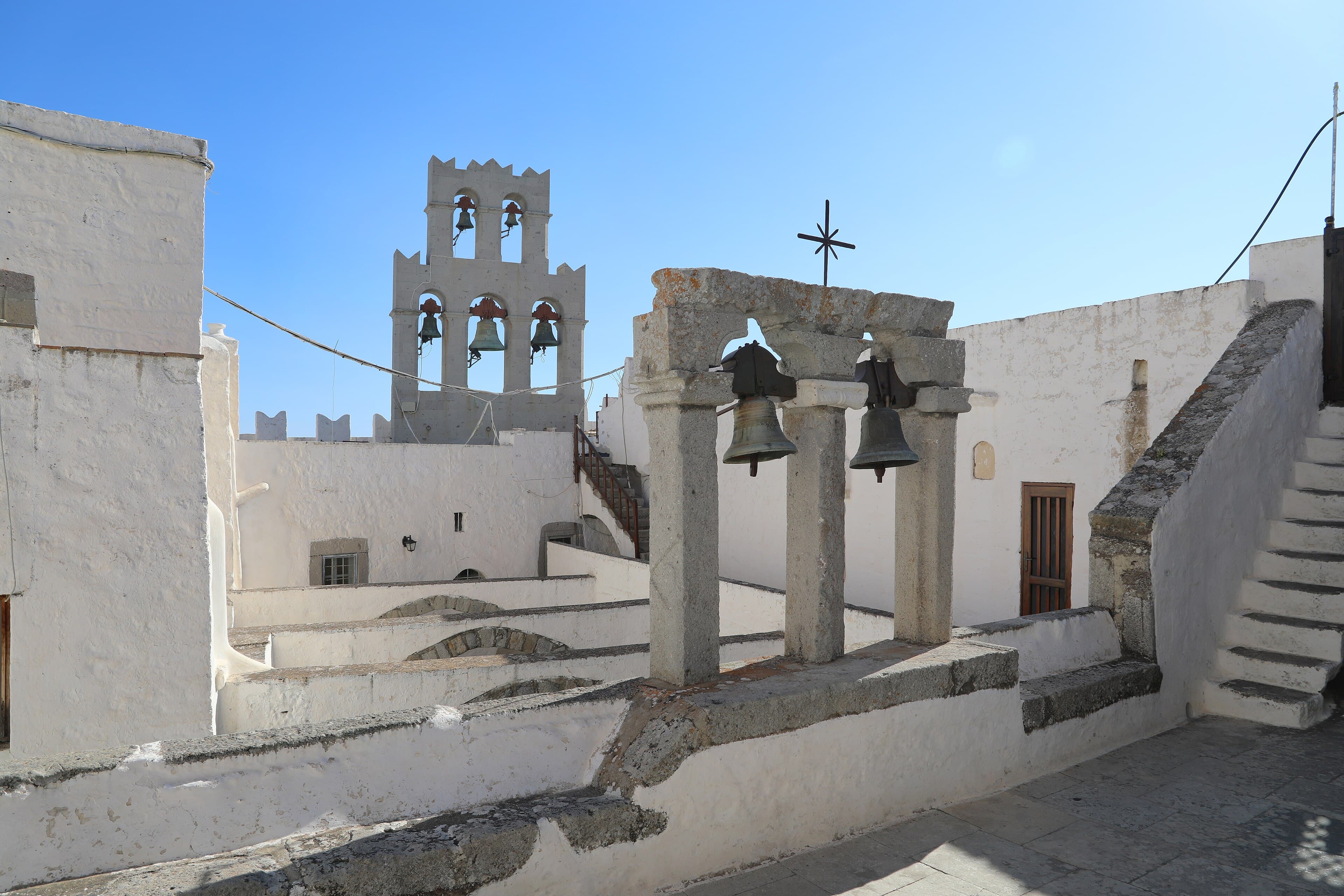
The Monastery of St John, founded in 1088, looks like a castle, with battlements on top. Its walls were built to keep out pirates, and monks still live inside.
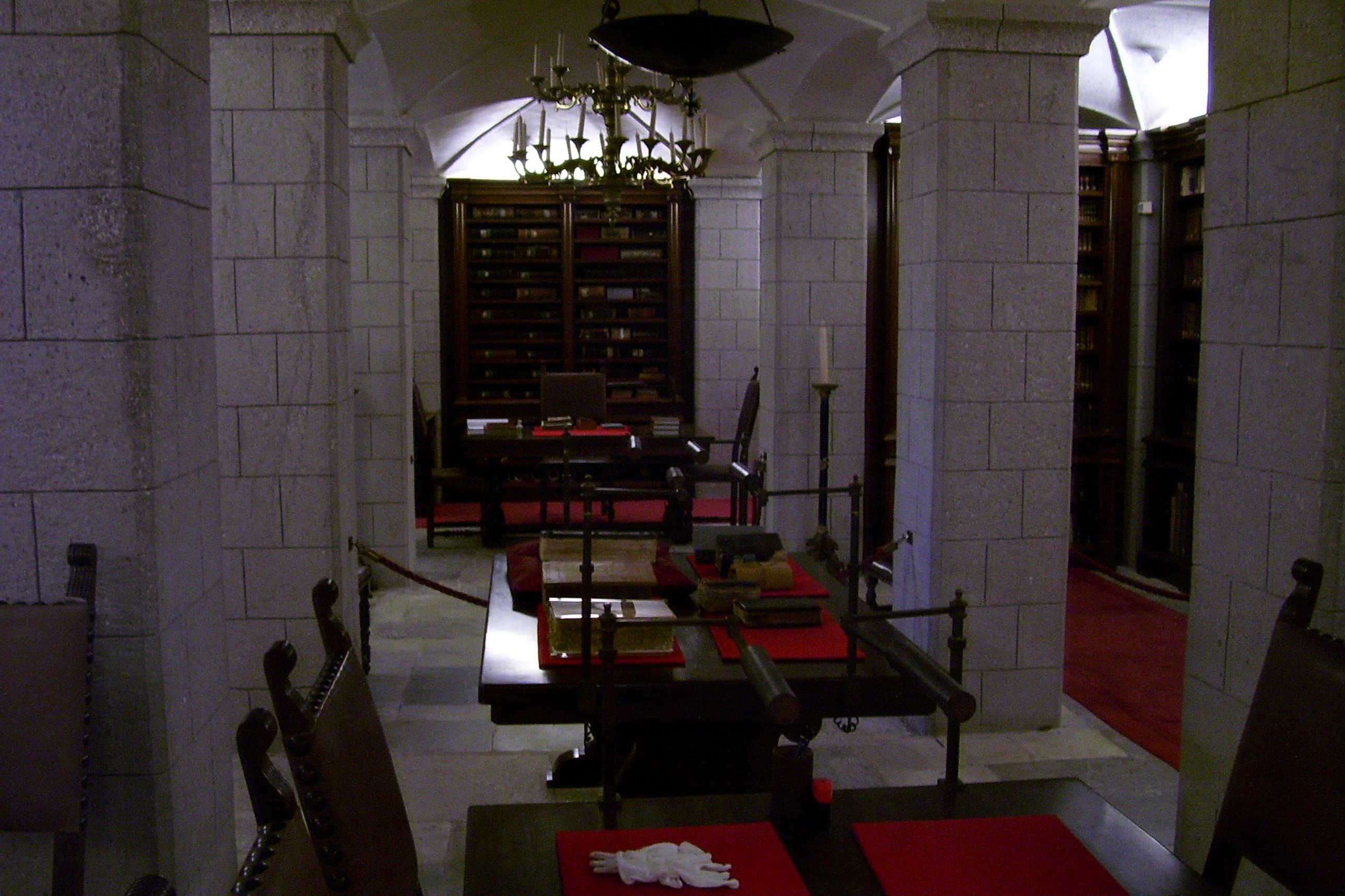
The monastery's library holds about 1,000 manuscripts and thousands of old books. Its most famous treasure, a few leaves of a 6th-century Gospel of Mark written in silver on purple parchment, is shown in the treasury.
In Holy Week the island fills with pilgrims. On Holy Thursday the abbot washes the feet of twelve monks in the main square of Chora, re-enacting the Last Supper as it has been done for centuries.
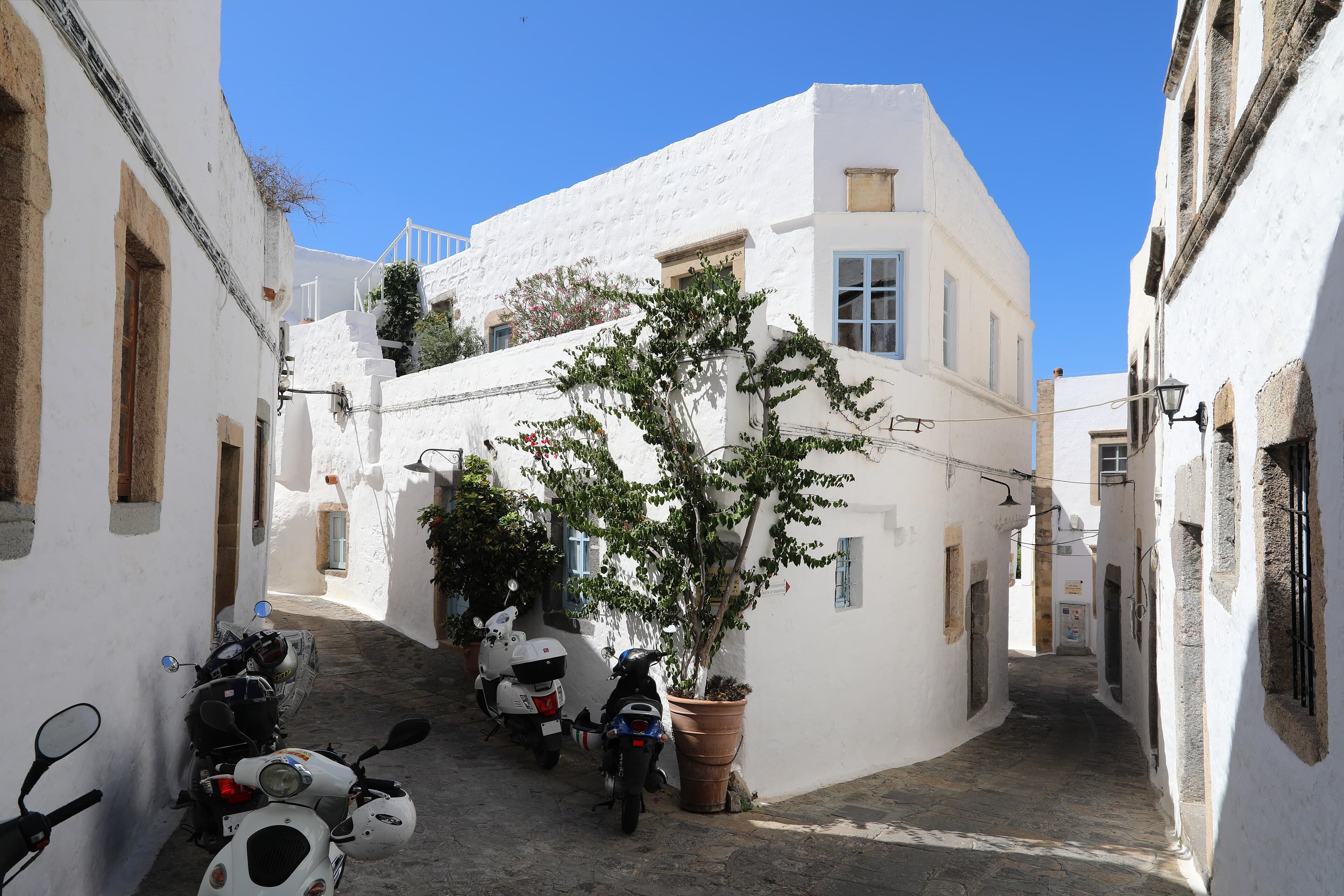
“I John… was in the isle that is called Patmos, for the word of God.”
Towns & villages
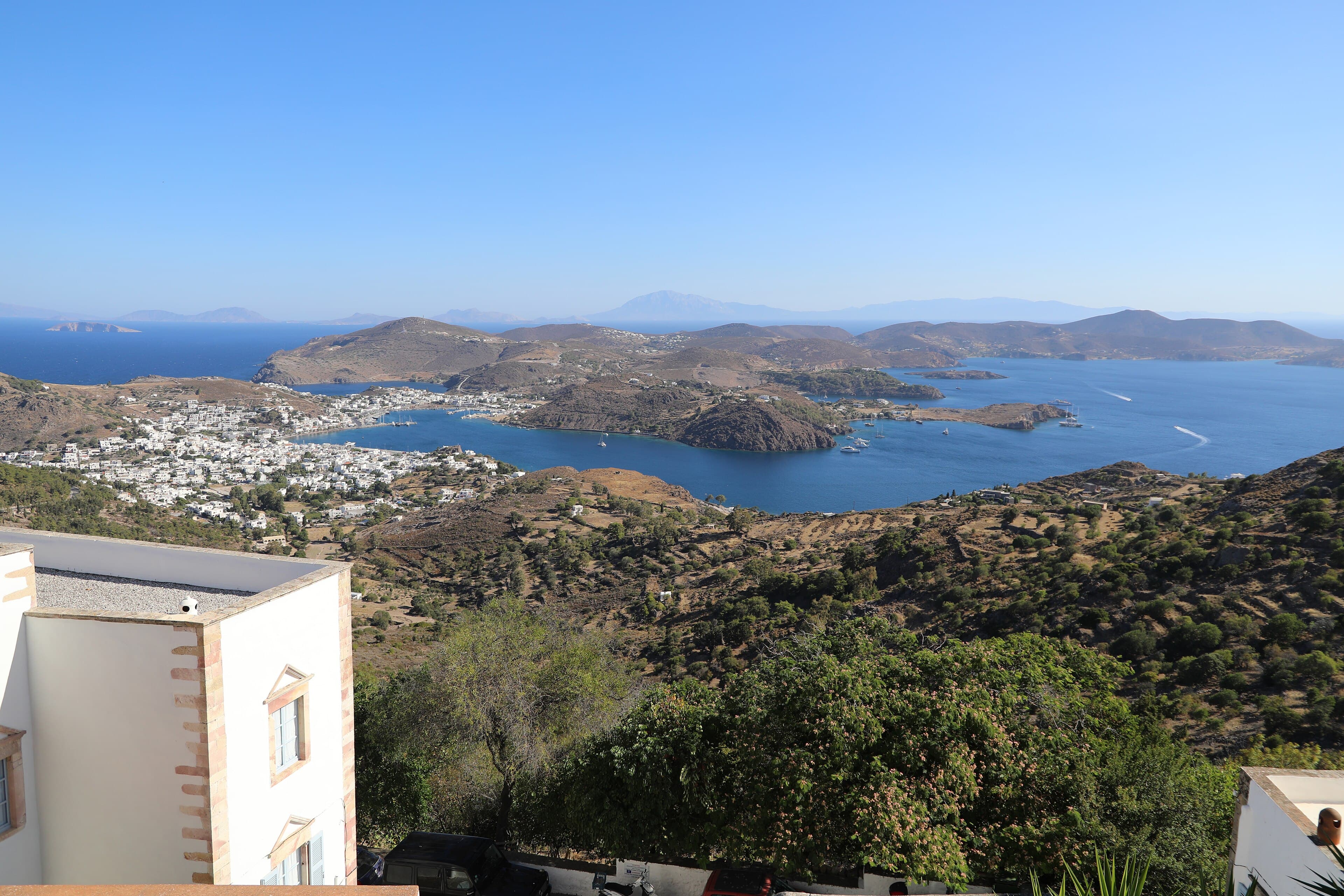
A white town wrapped around a fortress monastery
The hilltop capital of Patmos, a maze of white lanes and captains' mansions around the Monastery of St John, with views over half the Dodecanese. Together with the monastery and the Cave of the Apocalypse it is a UNESCO World Heritage Site.
The harbour where every boat comes in
The island's port and its liveliest village, on a deep bay at the narrow waist of Patmos. Yachts tie up along the seafront, cafés stay open until the last ferry, and the road climbs from here to Chora and the monastery. It is the easiest base if you want to walk to dinner and take boats to the beaches.
Things to do
Culture
Go when the gate opens to see the courtyards, the church and the treasury before the cruise passengers arrive. Cover your shoulders and knees.
Chora
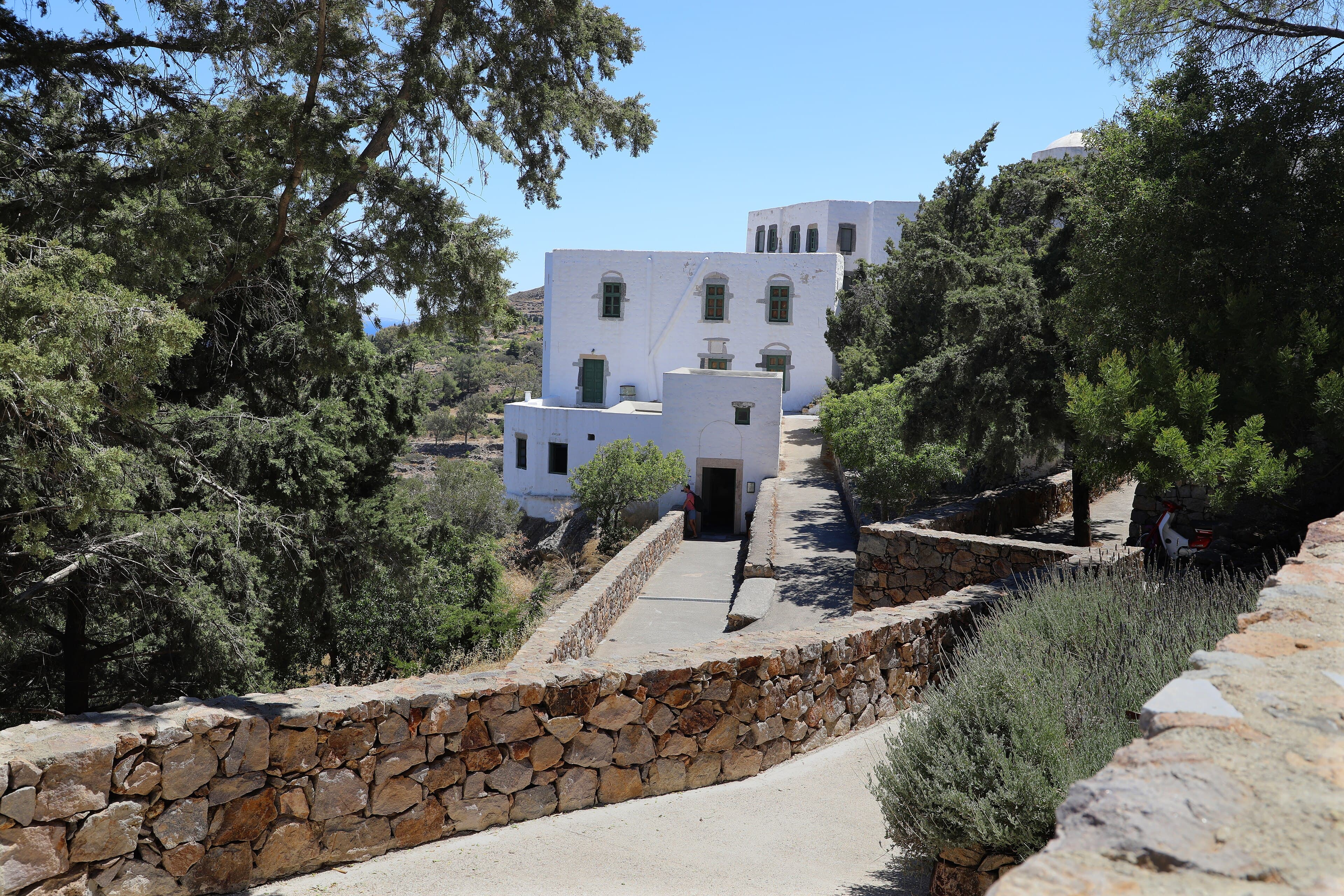
Hike
The old cobbled path climbs from Skala through the pines, past the Cave of the Apocalypse, to Chora, about 45 minutes up. Take it in the cool of the morning.
Skala to Chora
Beach
Caïques leave Skala in the morning for Psili Ammos, the only big sandy beach on Patmos, and come back in the afternoon. There is a taverna behind the beach.
From Skala
Good to know
Patmos is a small island at the northern end of the Dodecanese, only about 12 km from end to end and 34 km² in all. Its three hilly parts are joined by narrow necks of land, so the sea is never far away. At the centre is the harbour of Skala, and above it the white town of Chora and the Monastery of St John, founded in 1088. By tradition, St John the Evangelist wrote the Book of Revelation in a cave on the hillside between them. Patmos has no airport and no big resorts, and is still a place of pilgrimage. It is also one of the most refined islands in Greece, with stone mansions, good food and small bays of clear water.
When to go
May, June, September and early October are ideal: warm sea and few people. July and August are busier and can be windy, but Patmos never feels crowded. Orthodox Easter is special, but books up early.
Getting around
Rent a scooter or small car in Skala. Buses link Skala with Chora, Grikos and Kampos, and caïques go to the beaches. There are only a few taxis, so book them.
How long
Four or five days covers Chora, the monastery and the best beaches, at a slow pace. Add a day for a boat trip to Lipsi or Arki.
Getting there
No airport: fly to Leros, Kos or Samos and take a boat, or sail all the way from Piraeus.
Flights & ferries
An ancient acropolis, the exile of St John, a monastery that ruled the island for centuries, rich sea captains and a famous school, before Patmos joined Greece in 1948.
Walk through the story