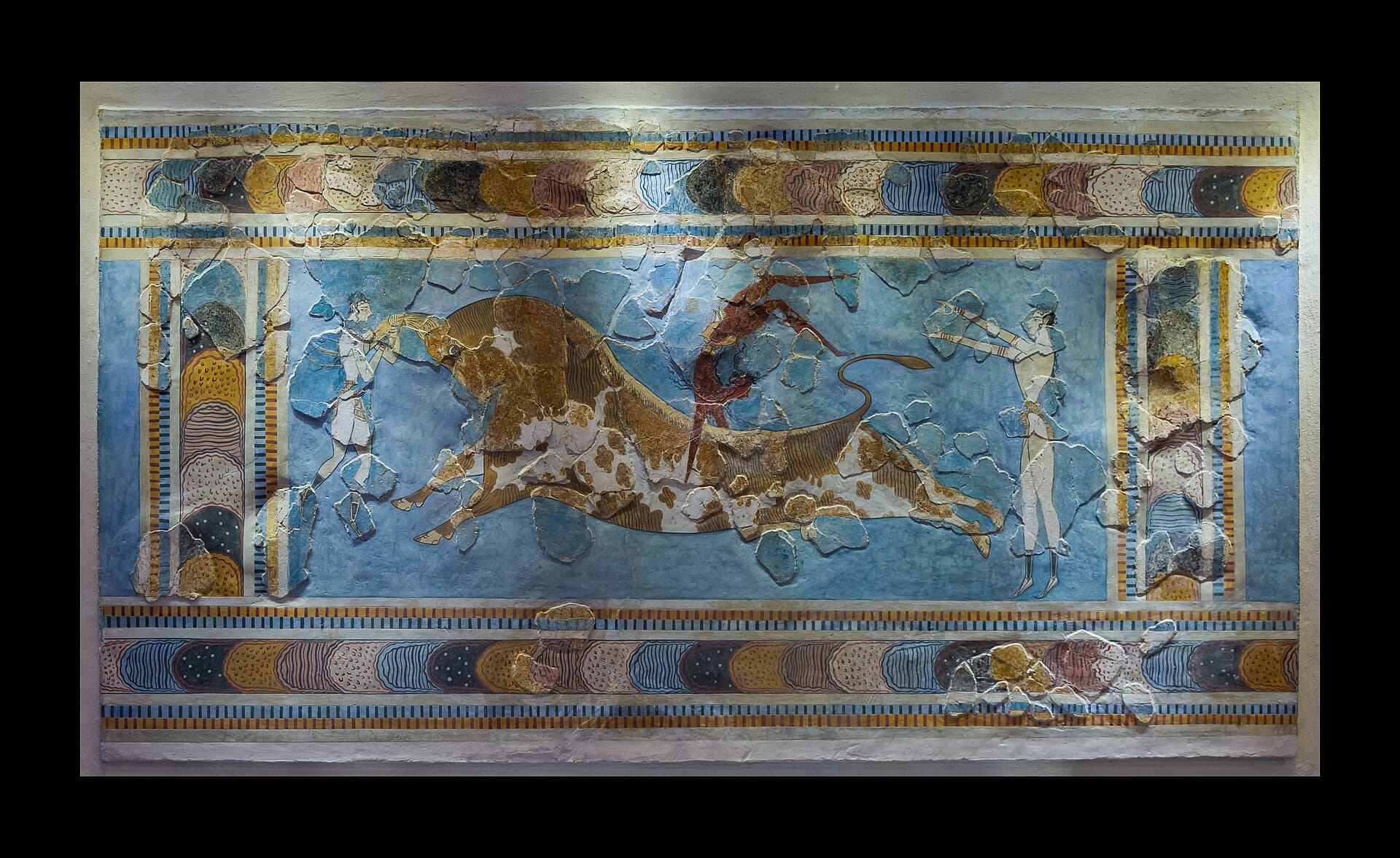
Europe's first civilisation
The Minoans built palaces at Knossos and Phaistos a thousand years before Classical Athens, and left frescoes that still look modern.
Κρήτη · Myth, mountains and the Libyan Sea
Minoan palaces in the morning light, Venetian harbours at dusk, and mountain villages where a stranger is still treated as a guest. Crete is big enough to fall in love with twice.
Greetings from Crete
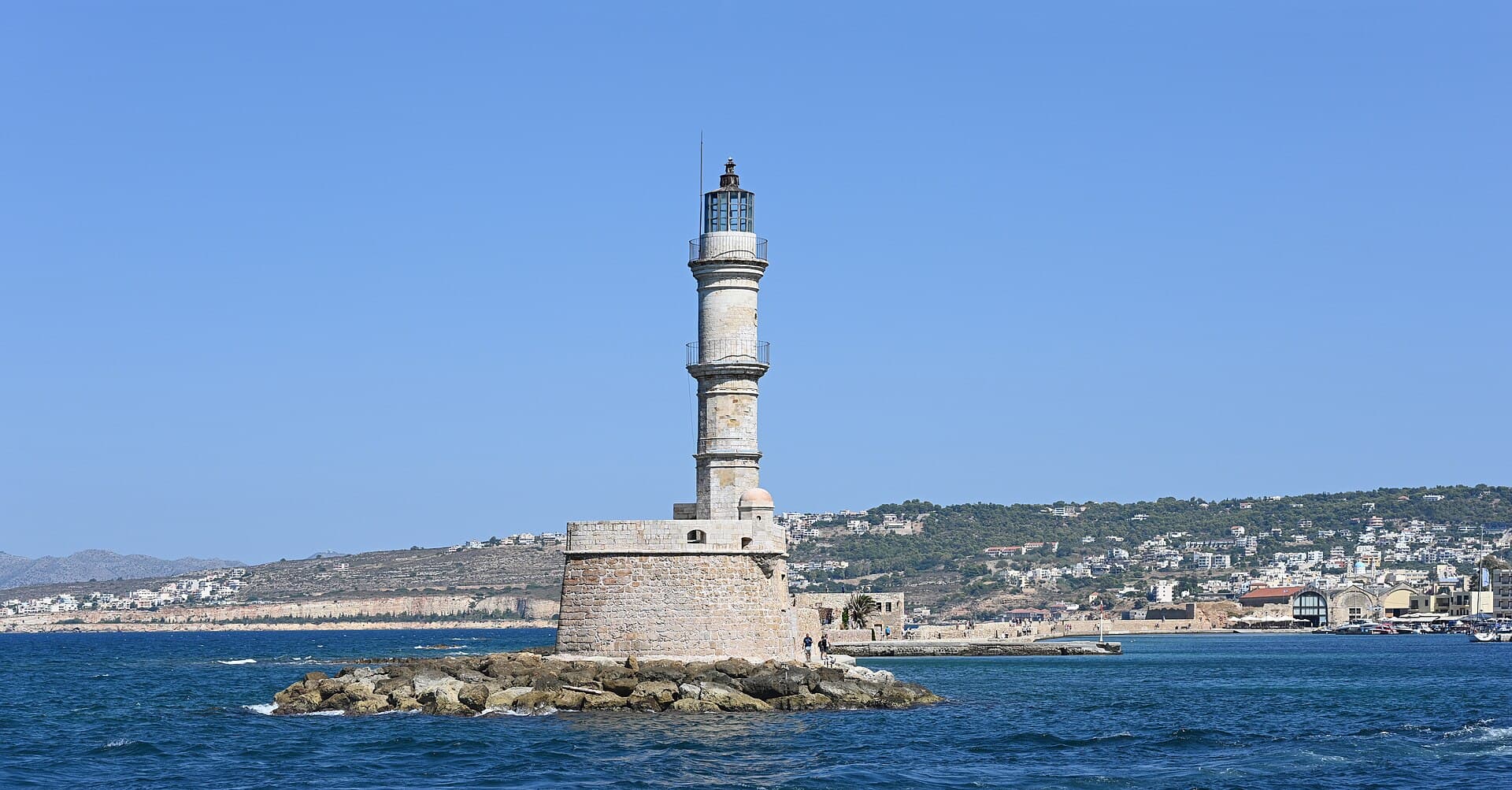
Chania, Crete
I'm writing this on a stone terrace in the old town. Swallows are circling the Venetian harbour, someone downstairs is grilling octopus, and the White Mountains behind us still have snow on top. Tomorrow we walk a gorge down to the sea. Tonight the owner insists on raki, and nobody here says no to the owner. Come next year. Come with me.
Hour by hour
One slow, sun-soaked day from the west of the island, and where to sleep and eat along the way.
Walk the empty breakwater to the Venetian lighthouse while the fishing boats come in and the town is still pink.
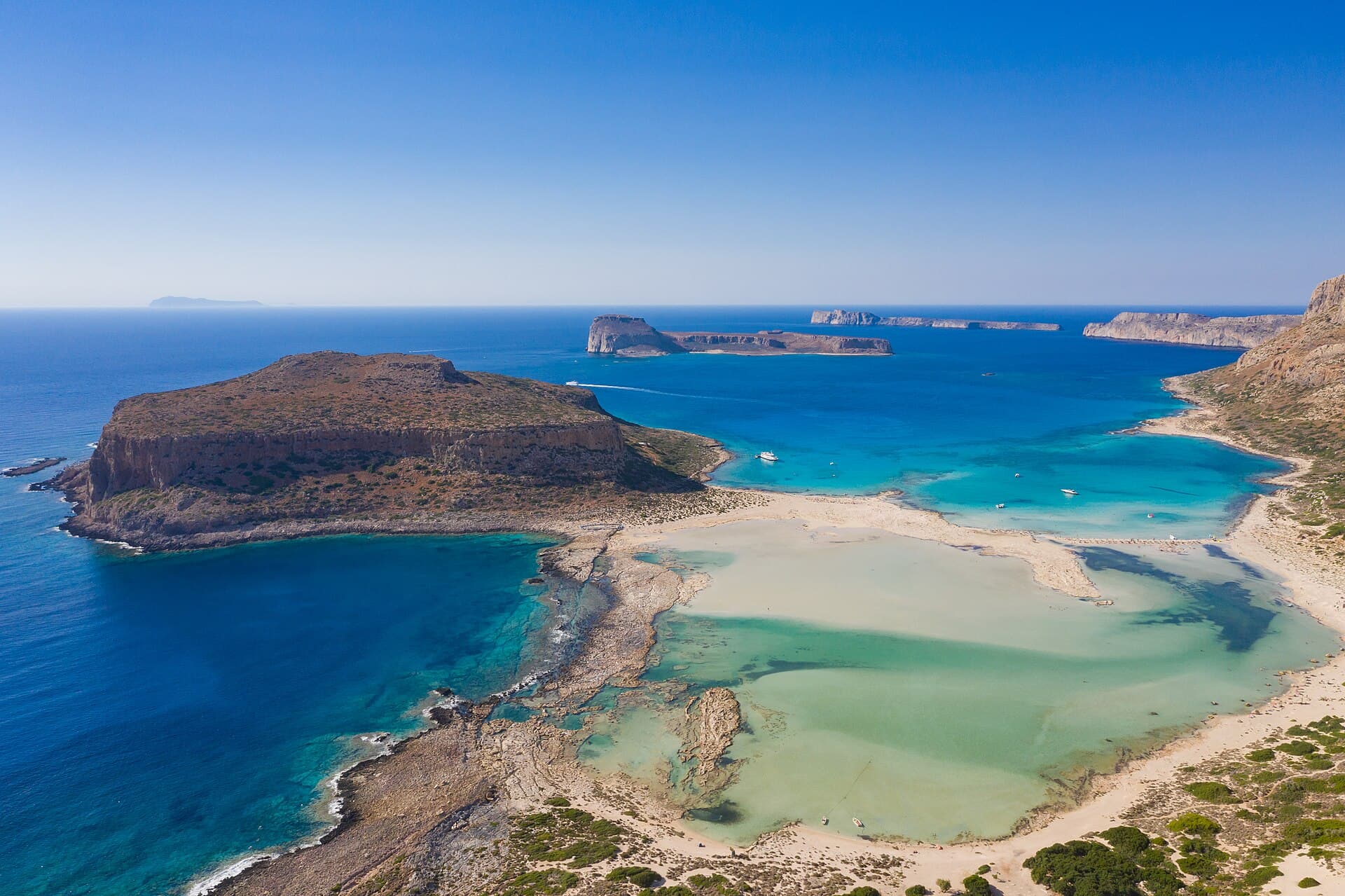
From Kissamos the morning boat rounds the Gramvousa peninsula to a lagoon so shallow and turquoise it looks painted. Wade across to the pink-sand spit.
Back in town, sit down under the domes of a former Ottoman bathhouse for Cretan greens, slow-cooked lamb and a carafe of local white.
Leather workers closing up on Skridlof Street, bougainvillea over Venetian doorways, a church bell somewhere. Get lost on purpose.
In the old tanneries quarter, order whatever the boats brought in, and stay until the last of the light is gone from the sea.
Where to stay
Chania old town
Casa Delfino · Boutique hotel · €€€
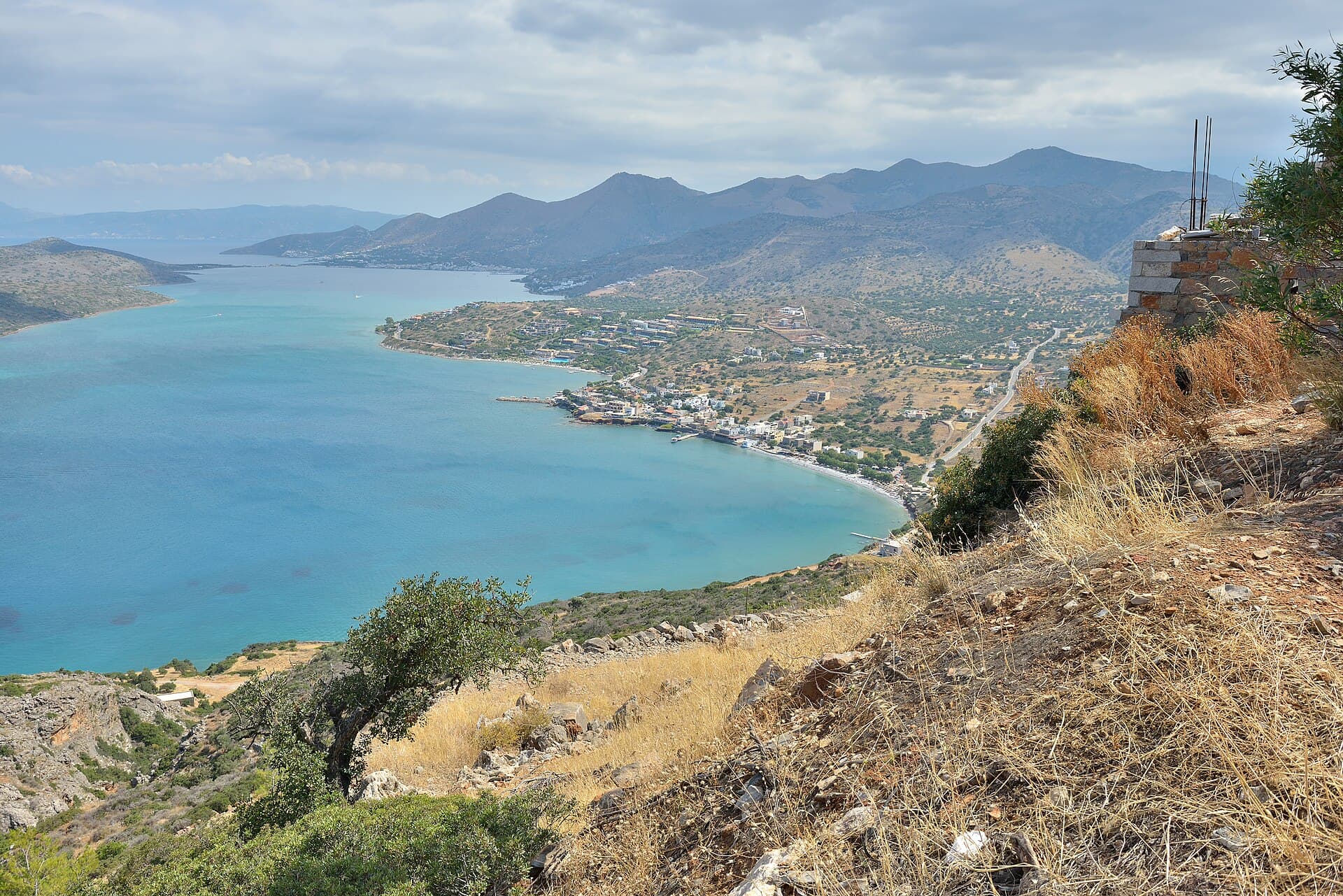
Plaka, Elounda
Blue Palace Elounda · Luxury resort · €€€€
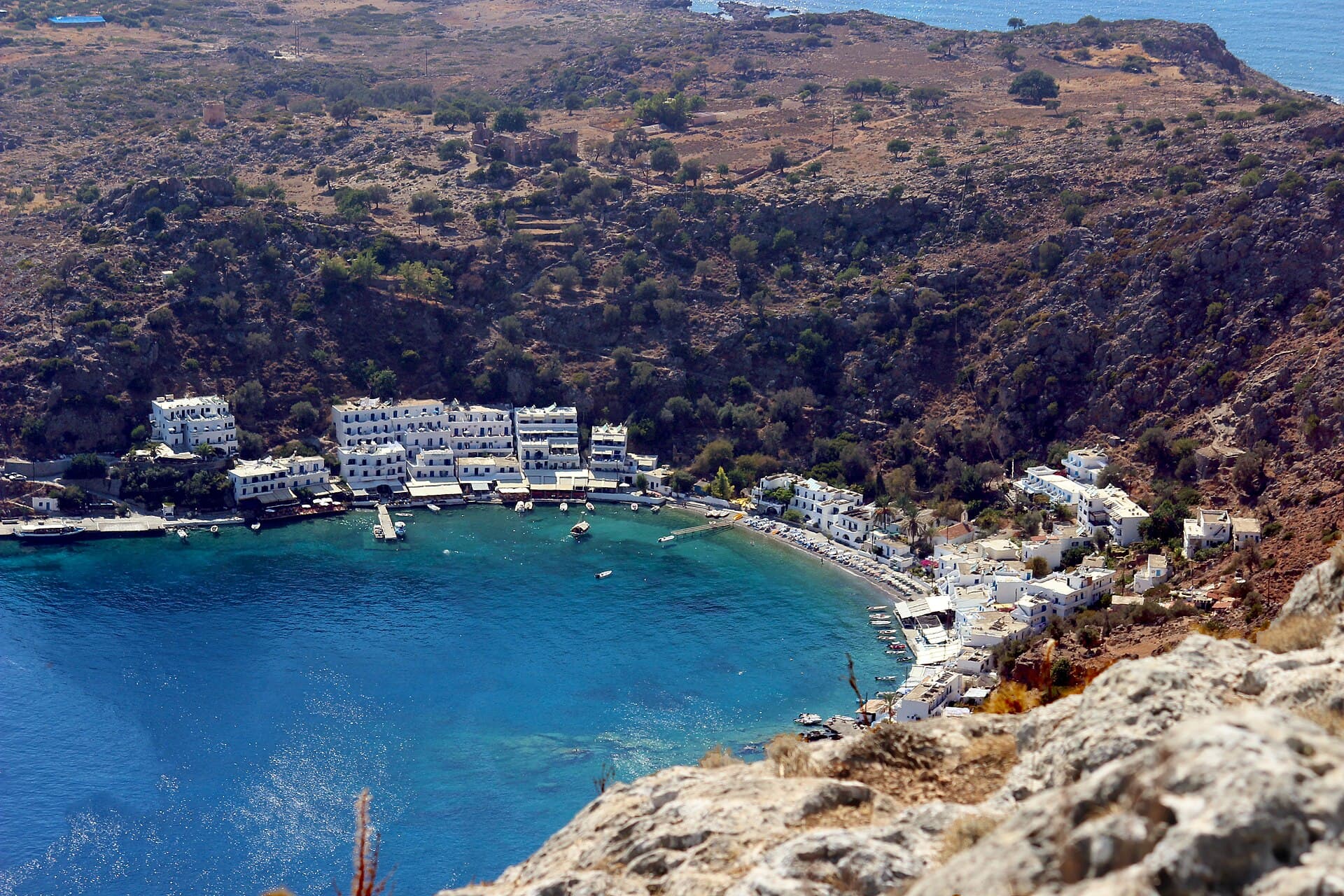
Loutro
Porto Loutro · Small hotel · €€
Only in Crete
What sets Crete apart from every other Greek island.
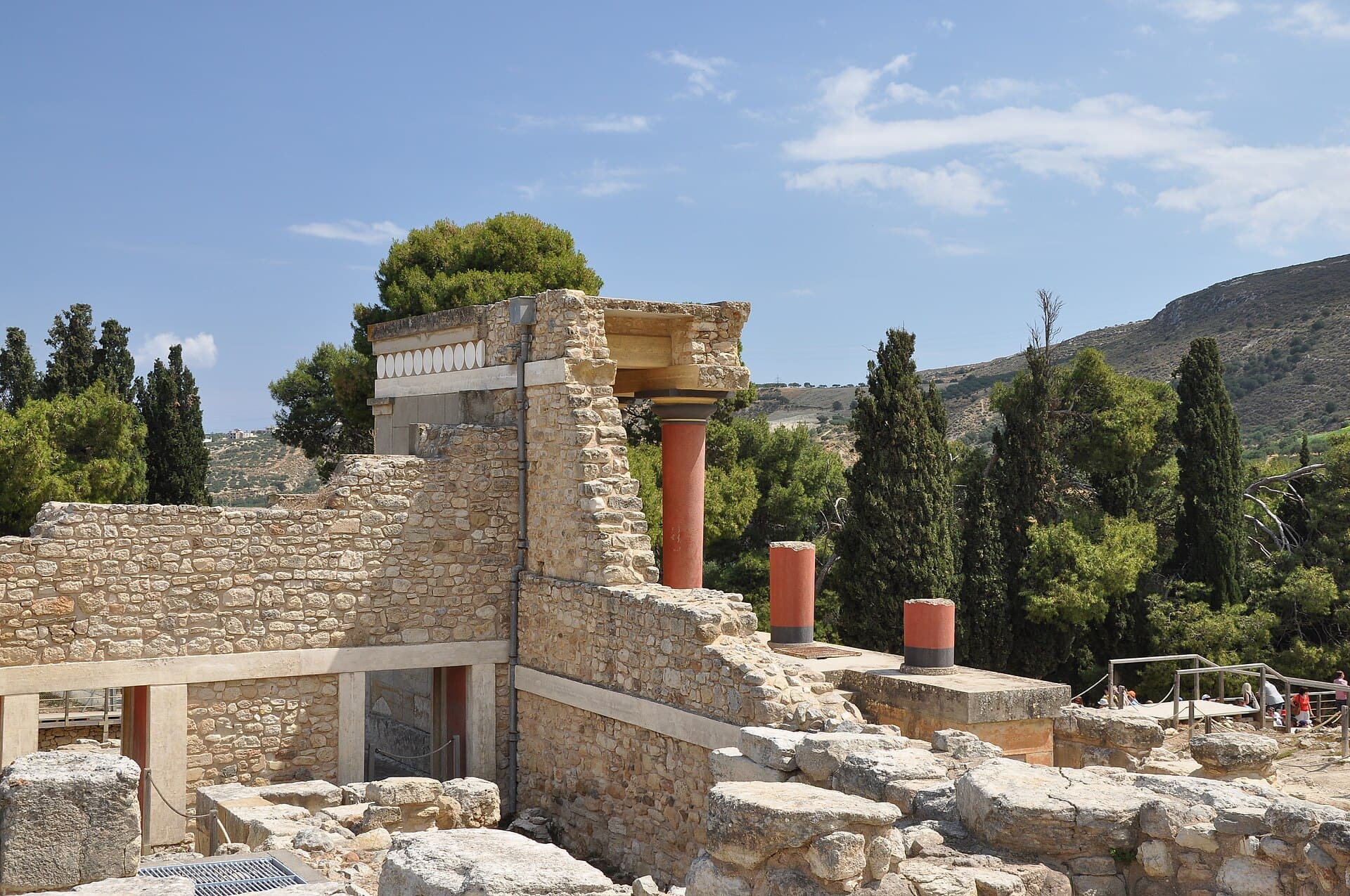
The Minoans built palaces at Knossos and Phaistos a thousand years before Classical Athens, and left frescoes that still look modern.
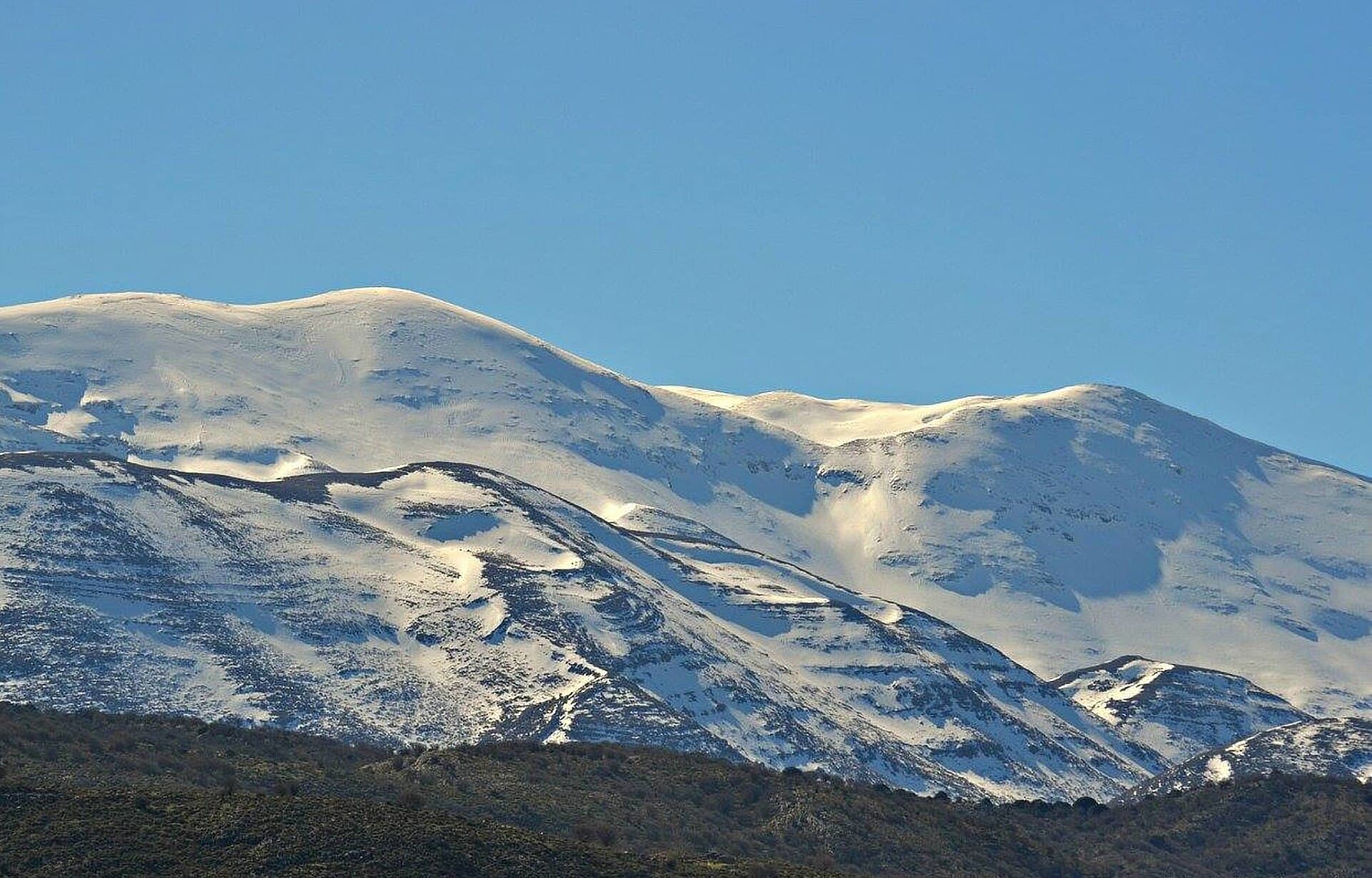
The White Mountains and Psiloritis rise above 2,400 m, cut by gorges such as Samaria that end at the Libyan Sea.
Olive oil, wild greens, mountain cheeses and raki shared at the end of every meal, often on the house.
The three-stringed lyra and improvised rhyming couplets are still part of weddings and village feasts, especially in Anogia.
“I hope for nothing. I fear nothing. I am free.”
Towns & villages
Mountain village of music and weaving
High on the slopes of Mt. Psiloritis, Anogia is known for its lyra players, shepherding traditions and long record of resistance. It was rebuilt after being destroyed in 1944.
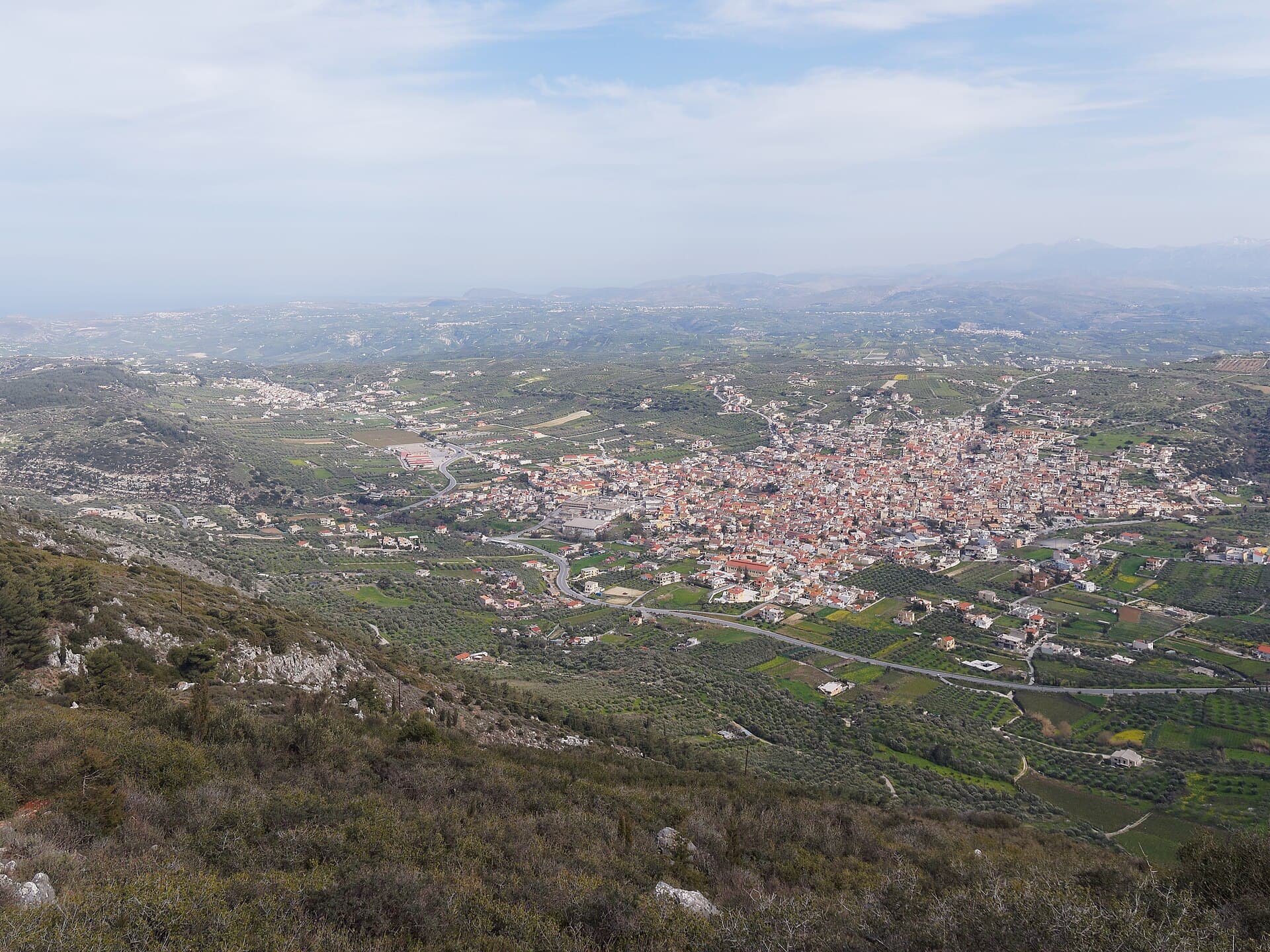
Restored neoclassical village in wine country
Just south of Heraklion, Archanes has carefully restored houses, a Minoan palace site of its own and vineyards that run to the foot of Mt. Giouchtas.
Things to do
Hike
About 16 km downhill from the Omalos plateau to the sea at Agia Roumeli, through the narrow 'Iron Gates'. Open roughly May to October; finish with a ferry along the south coast.
Chania
Beach
Shallow turquoise water and pale sand at the island's north-west tip. Go early by car and on foot, or by boat from Kissamos.
Gramvousa peninsula, Chania
Culture
Arrive at opening time to beat the tour groups, then see the original frescoes at the Heraklion Archaeological Museum the same day.
Heraklion
Good to know
Crete is almost a country of its own: 260 km from end to end, four regions with their own dialects and dishes, and 5,000 years of history, from Europe's first great civilisation to the Battle of Crete. Base yourself in one region per week and travel slowly.
When to go
May–June and September–October bring warm seas, fewer crowds and ideal hiking weather.
Getting around
Rent a car for villages and beaches. KTEL buses link the main towns along the north coast.
How long
One week covers one or two regions well. Allow two weeks to see the whole island.
Getting there
Fly into Heraklion or Chania, or take an overnight ferry from Piraeus.
Flights & ferries
Home of Europe's first civilisation, fought over by empires and defended by its people.
Walk through the story