Cave of the Apocalypse
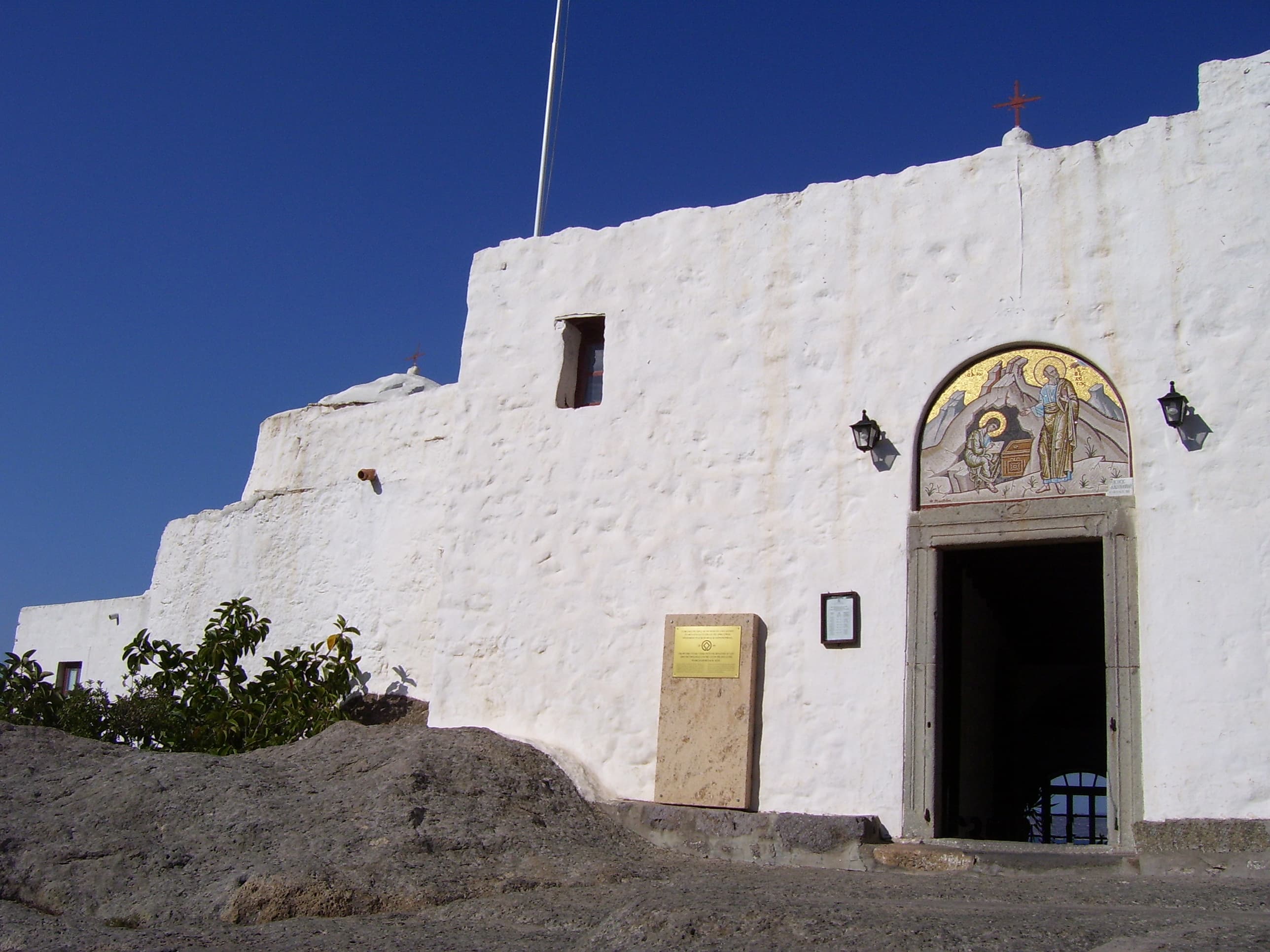
The cave where, by tradition, St John wrote the Book of Revelation, halfway down the old path to Skala.
Patmos · Centre · Χώρα
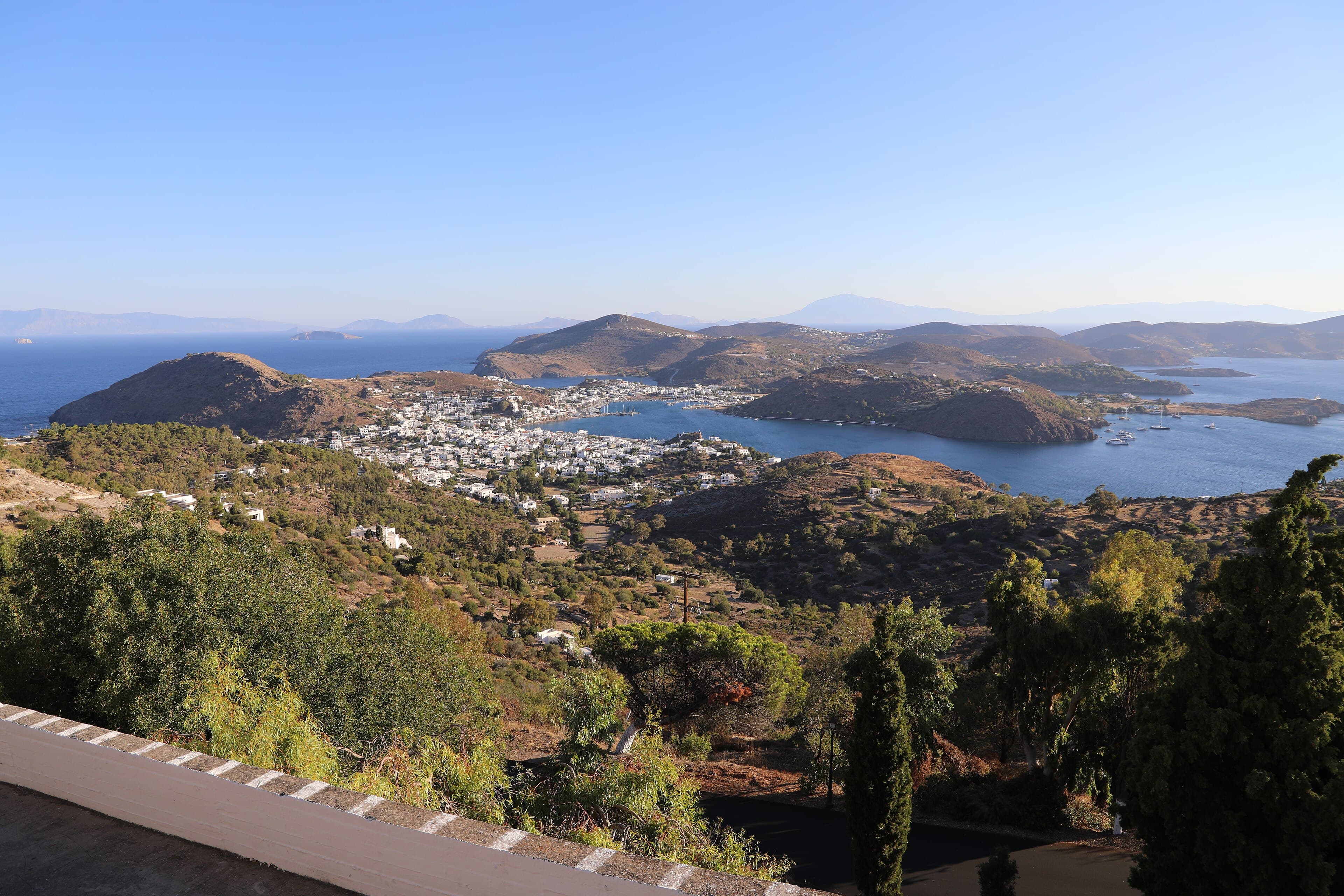
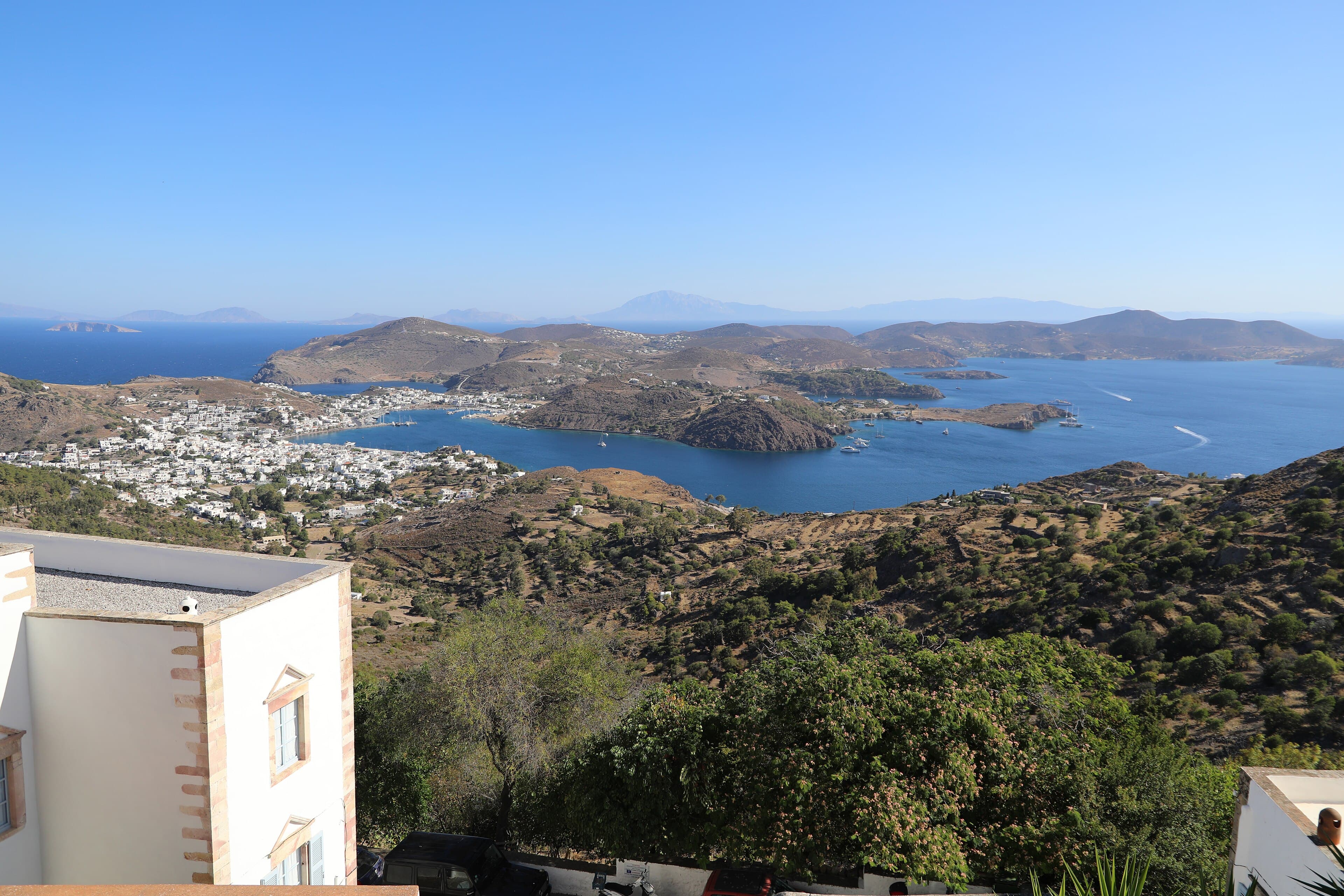
The hilltop capital of Patmos, a maze of white lanes and captains' mansions around the Monastery of St John, with views over half the Dodecanese. Together with the monastery and the Cave of the Apocalypse it is a UNESCO World Heritage Site.

Greetings from Chora
Chora, Patmos
We heard the monastery bells before the sun was up and walked up to the gate as it opened, before the boats came in. Inside it was cool, and smelled of candle wax and old wood. All afternoon we got lost in white lanes behind tall doors with bougainvillea above them. Tonight we're at the windmills, watching the islands go blue one by one.
A white town wrapped around a fortress monastery
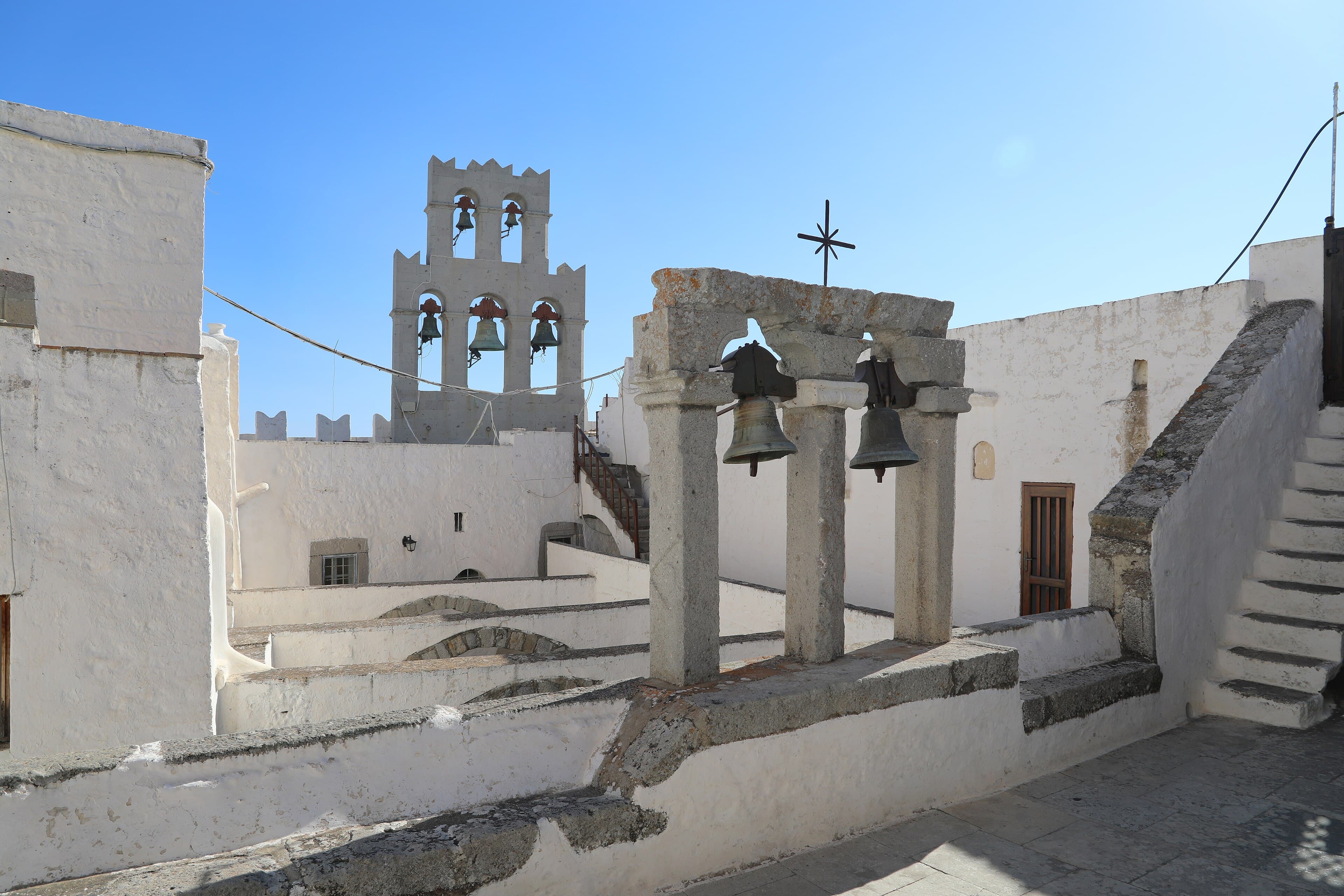
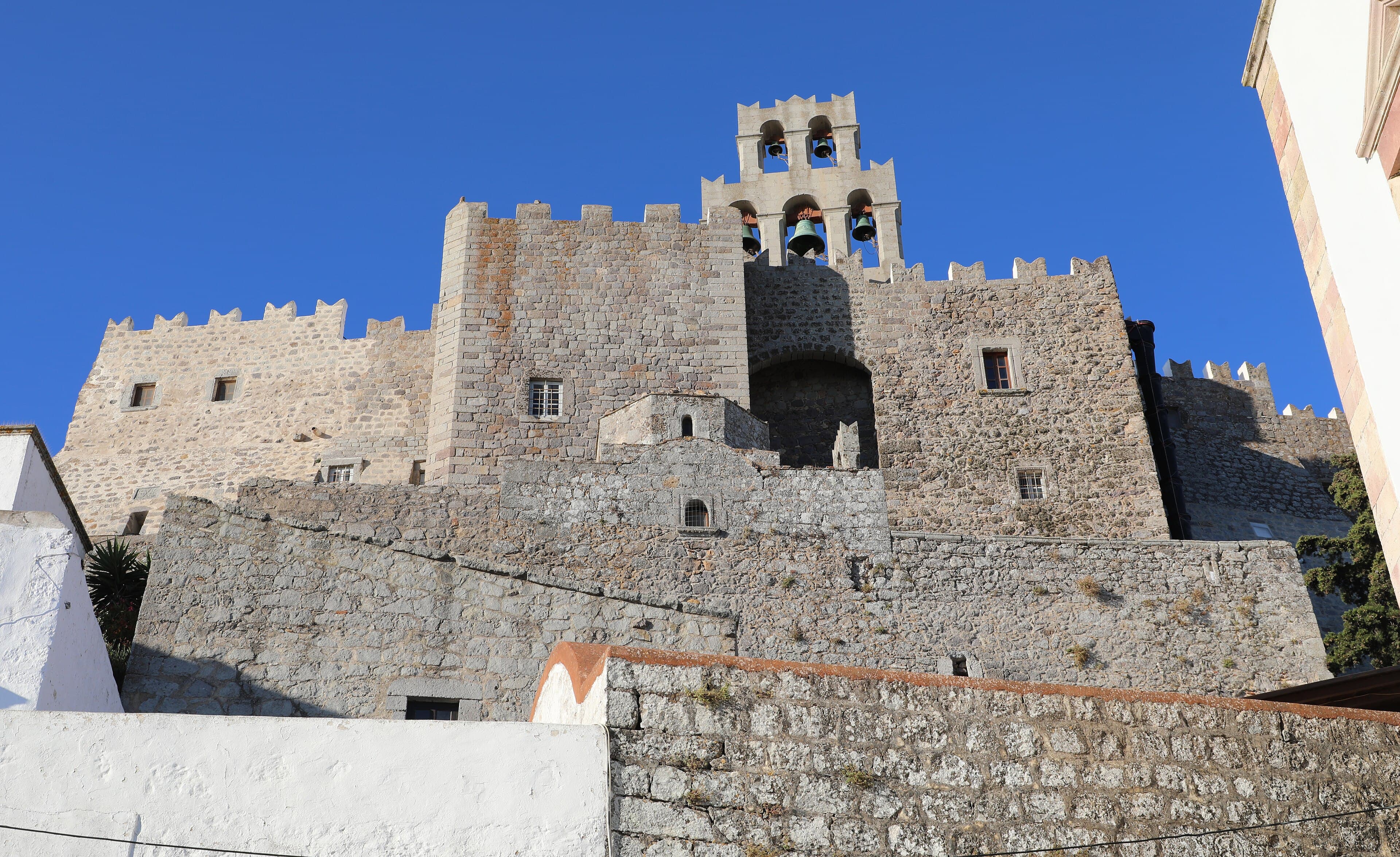
Chora sits on a ridge about 150 m above Skala, in the middle of the island. At its top is the Monastery of St John the Theologian, with battlements and bell towers like a castle. The monk Christodoulos founded it in 1088, after the Byzantine emperor Alexios I Komnenos gave him the island. He built walls around it against the pirates who raided the Aegean at the time.
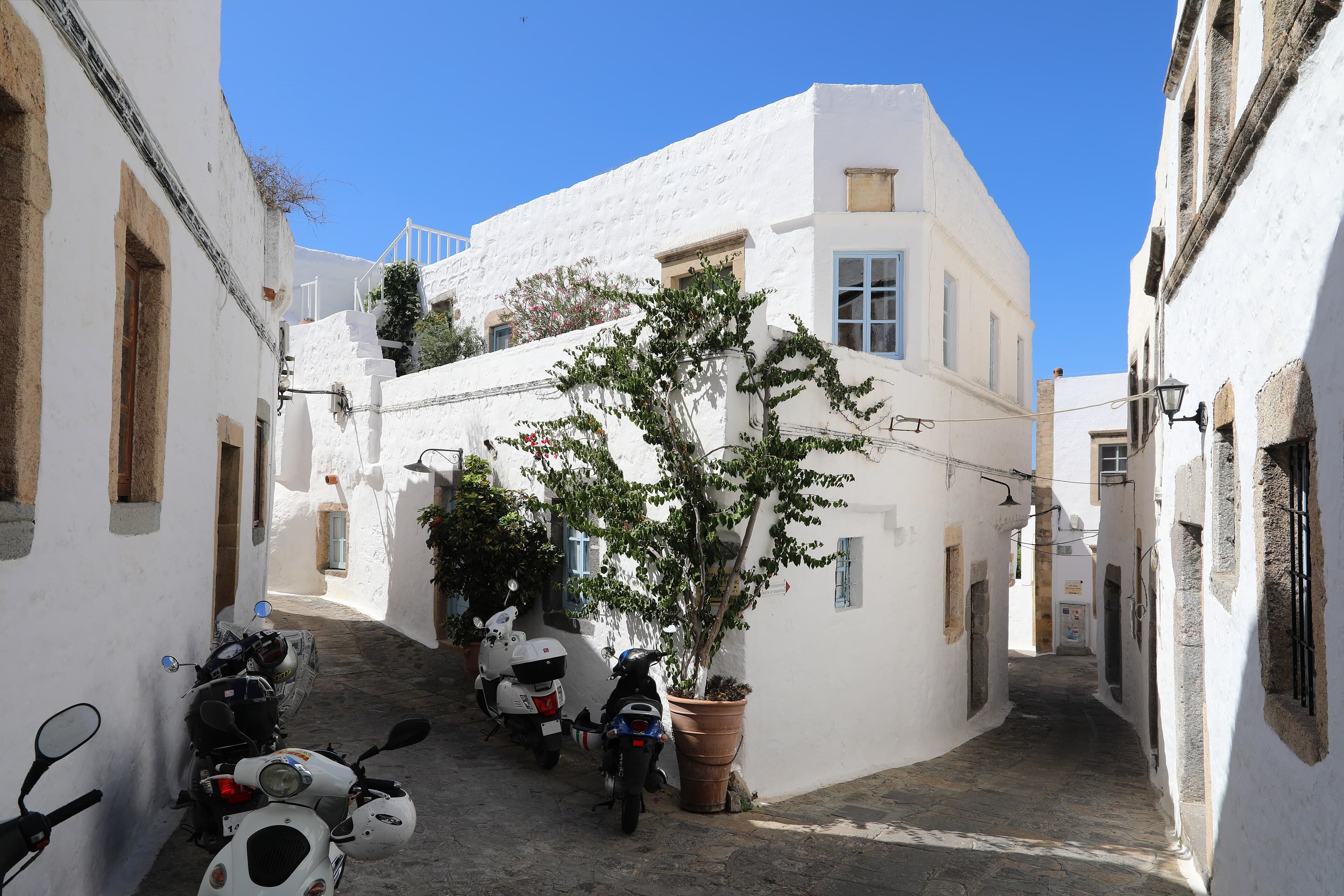
The town grew around the walls for protection. In the 16th and 17th centuries Patmos got rich from shipping and trade, and its captains and merchants built stone mansions. They have high walls, carved doorways, courtyards and painted wooden ceilings, and many are still homes. Refugees from Crete came after Candia fell to the Ottomans in 1669, and they gave one quarter its name, Alotina.
Chora has more than forty churches and chapels, and the convent of Zoodochos Pigi, founded in 1607, where nuns still live and keep a small courtyard full of flowers. Below the town, halfway down to Skala, is the Cave of the Apocalypse. By tradition, St John the Evangelist was exiled here around AD 95 and wrote the Book of Revelation in the cave. In 1999 UNESCO listed the cave, the monastery and the whole of Chora as a World Heritage Site.
Cars stop at the edge of town, so the lanes are quiet, with only footsteps and church bells. Day-trippers from the cruise ships climb up in the morning and leave by early afternoon. In the evening the squares fill with locals, and the three windmills on the ridge catch the last sun over the sea.
Hour by hour
Go up to the monastery early, keep the hot hours for lanes and shade, and finish with the sunset at the windmills. Here is how we would spend a day here.
Walk up to the gate of the Monastery of St John when it opens, before the cruise passengers arrive. Cover your shoulders and knees. Look for the courtyard with its bell towers and the frescoes in the main church, and save time for the treasury.
Walk down the old cobbled path towards Skala, about 20 minutes, to the Cave of the Apocalypse. In the small cave chapel you can see the rock where, by tradition, St John rested his head, and the crack in the ceiling through which he heard the voice.
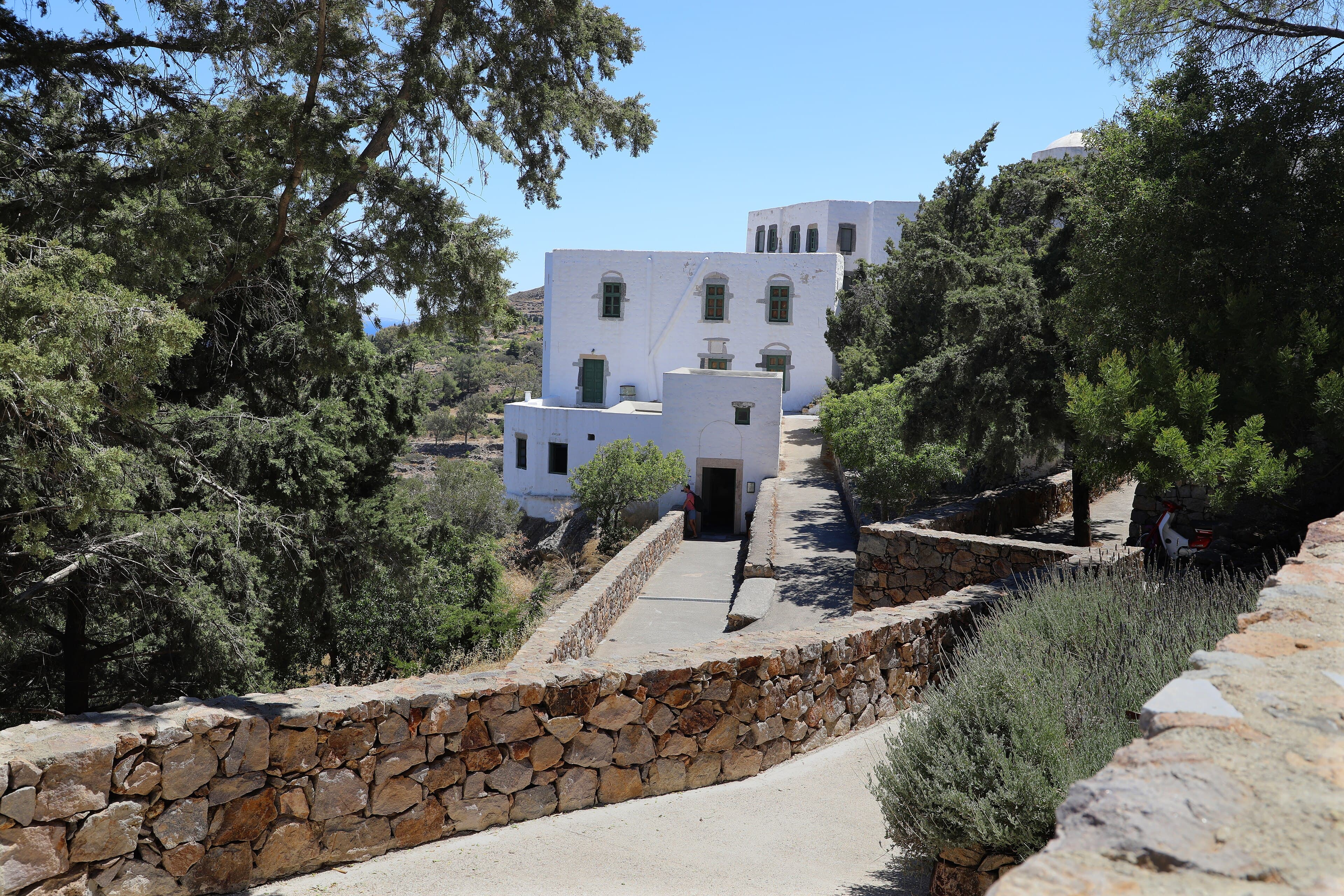
Come back up and eat slowly on a square in the shade: chickpeas from the oven, fresh fish, a cold glass of white wine.

When the day-trippers have gone, wander the lanes. Look for carved doorways, the flowers in the courtyard of Zoodochos Pigi, and the views over the islands from the edge of town.
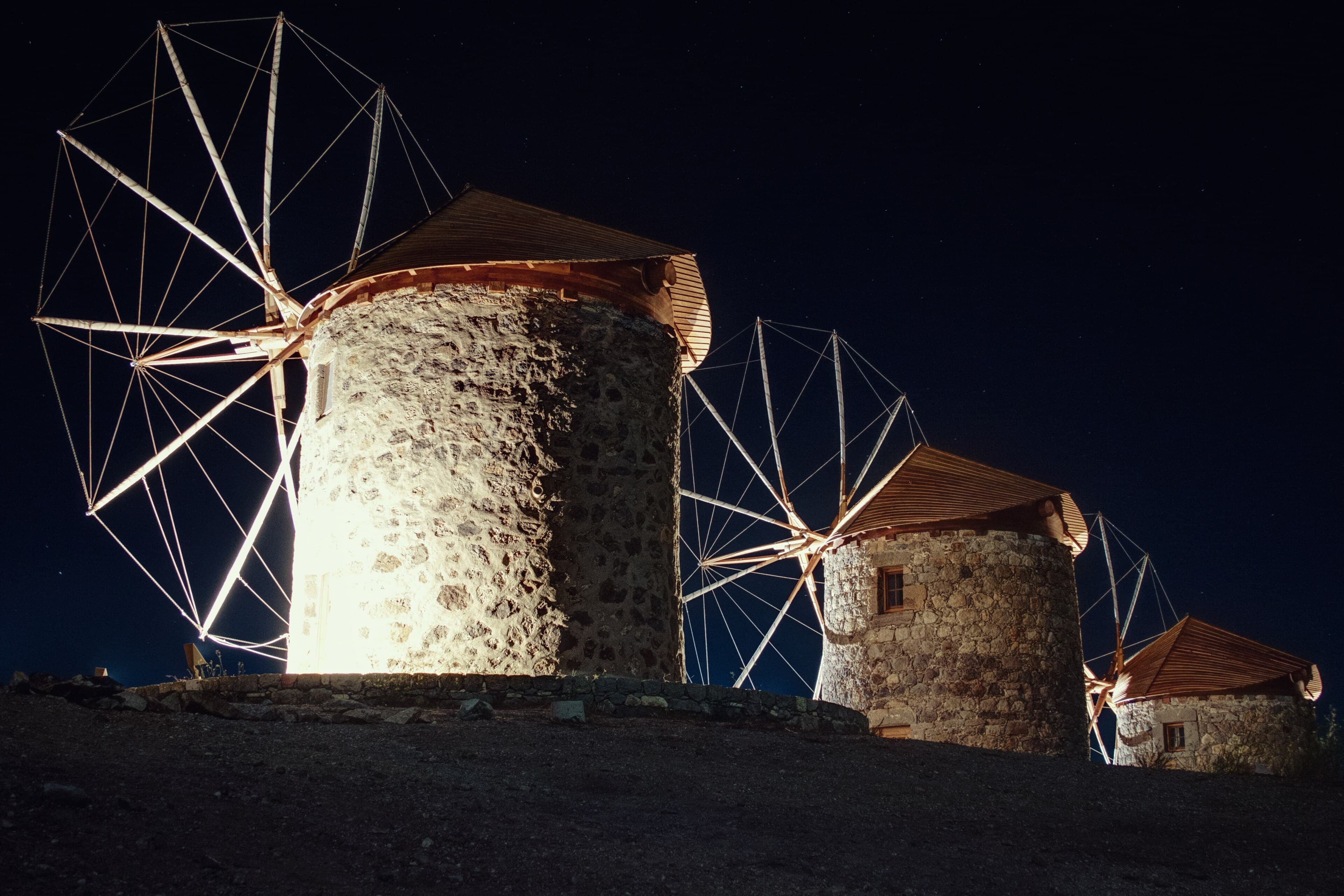
Walk to the three windmills on the ridge at the edge of town. The sun sets over the sea and the islands of Ikaria and Samos.
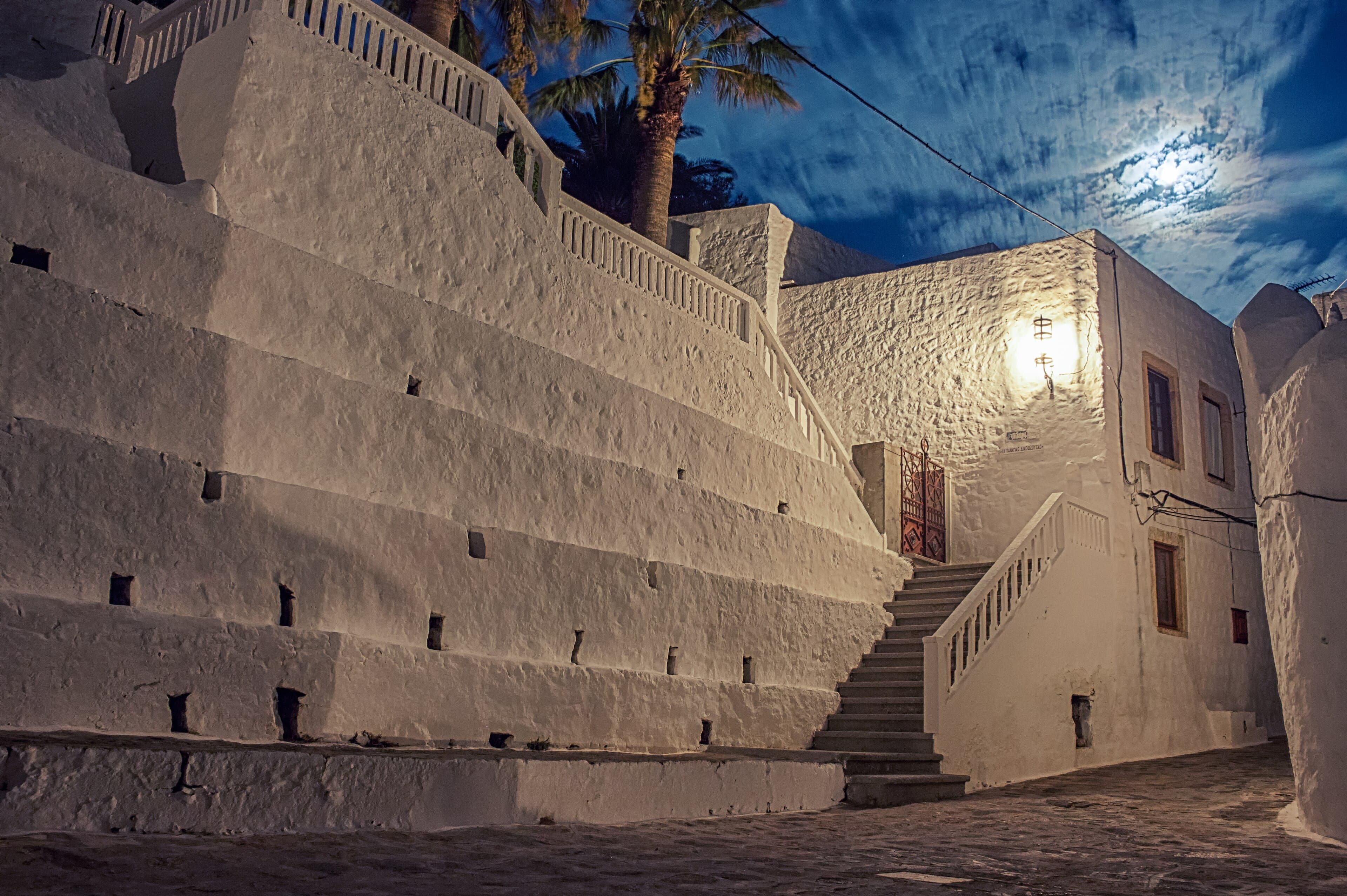
Walk back from the windmills to Aloni, on the old threshing floor, for Patmian food and often live music. By night the walls of the monastery are lit up above you, and the lanes are quiet.
Where to eat
Chora · Skala & Chora
Chora, by the windmills · Skala & Chora
Chora · Skala & Chora
Chora · Skala & Chora
Within an easy drive
The cave where, by tradition, St John wrote the Book of Revelation, halfway down the old path to Skala.
Three restored windmills on the ridge at the edge of Chora, the best place on the island for the sunset.

A convent from 1607 in the lanes of Chora, with a small, flower-filled courtyard. The nuns let visitors in at set hours.
The island's only big sandy beach, in the far south, reached by a boat from Skala or a 25-minute walk from the end of the road at Diakofti.


Good to know
Chora is about 4 km from Skala by road, around 10 minutes by car, scooter or the bus that runs several times a day. You can also walk up the old cobbled path in about 45 minutes, past the Cave of the Apocalypse. Leave the car in the car park below the monastery: the lanes are only for walking.
May, June, September and early October are best: warm days, cooler walks and fewer cruise ships. In summer, visit the monastery at opening time. Orthodox Easter is the most moving time of all, with candlelit processions and the washing of the feet in the main square on Holy Thursday, but book a year ahead.
More of Patmos
Every stay we recommend across Patmos, from village guesthouses to rooms on the sea.
See all stays