Beach
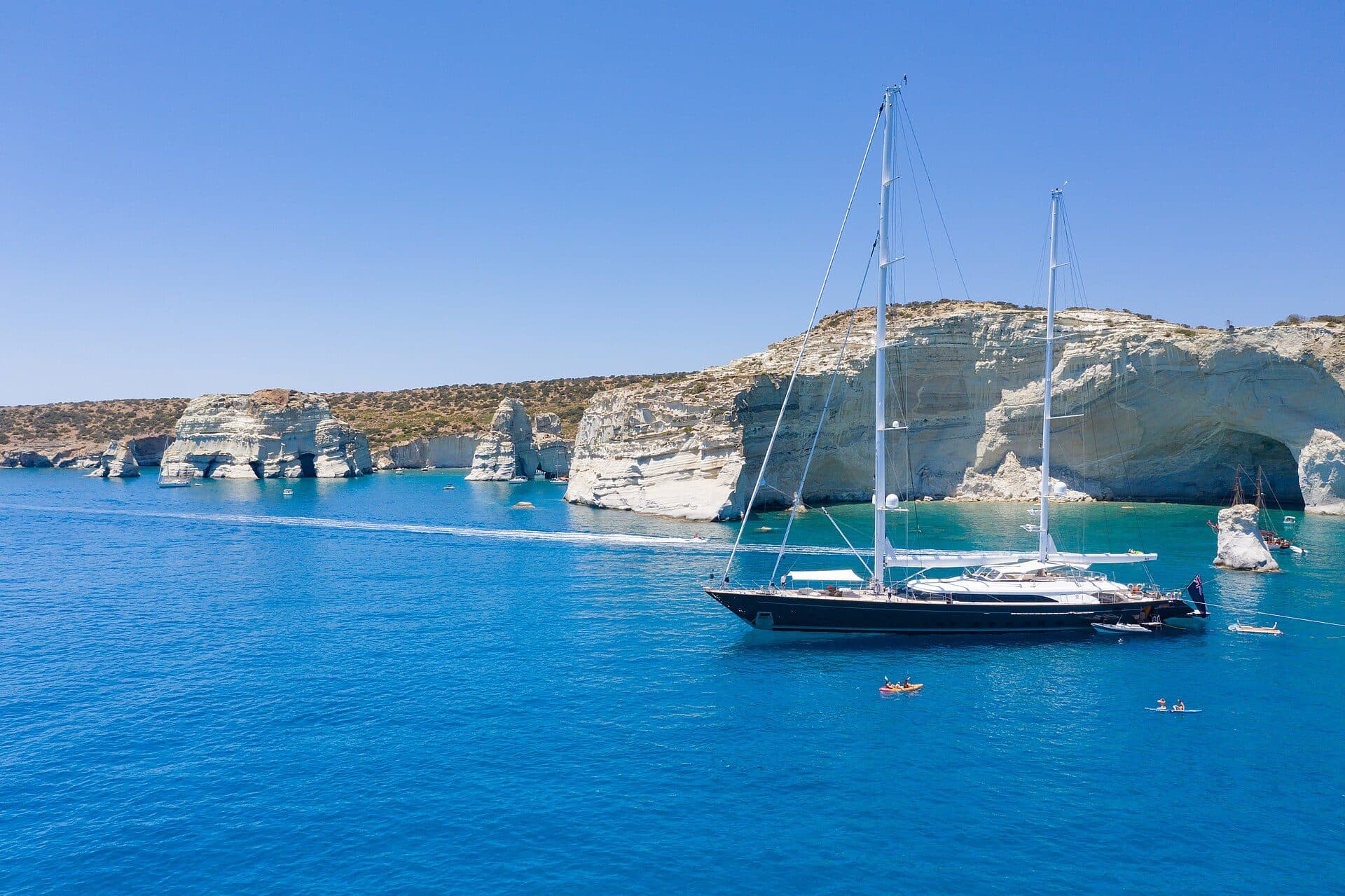
Sail to Kleftiko
Take a day boat or a small sailing boat around the west coast to the white rocks and sea caves of Kleftiko, with swimming stops at Sykia and other caves on the way.
From Adamas or Pollonia
Milos · Things to do
Beaches, trails, festivals, food and wine: the experiences that make this island its own.
Experiences
Ideas for every kind of day, from a lazy swim to a full-day hike.
Beach
Take a day boat or a small sailing boat around the west coast to the white rocks and sea caves of Kleftiko, with swimming stops at Sykia and other caves on the way.
From Adamas or Pollonia
Nature
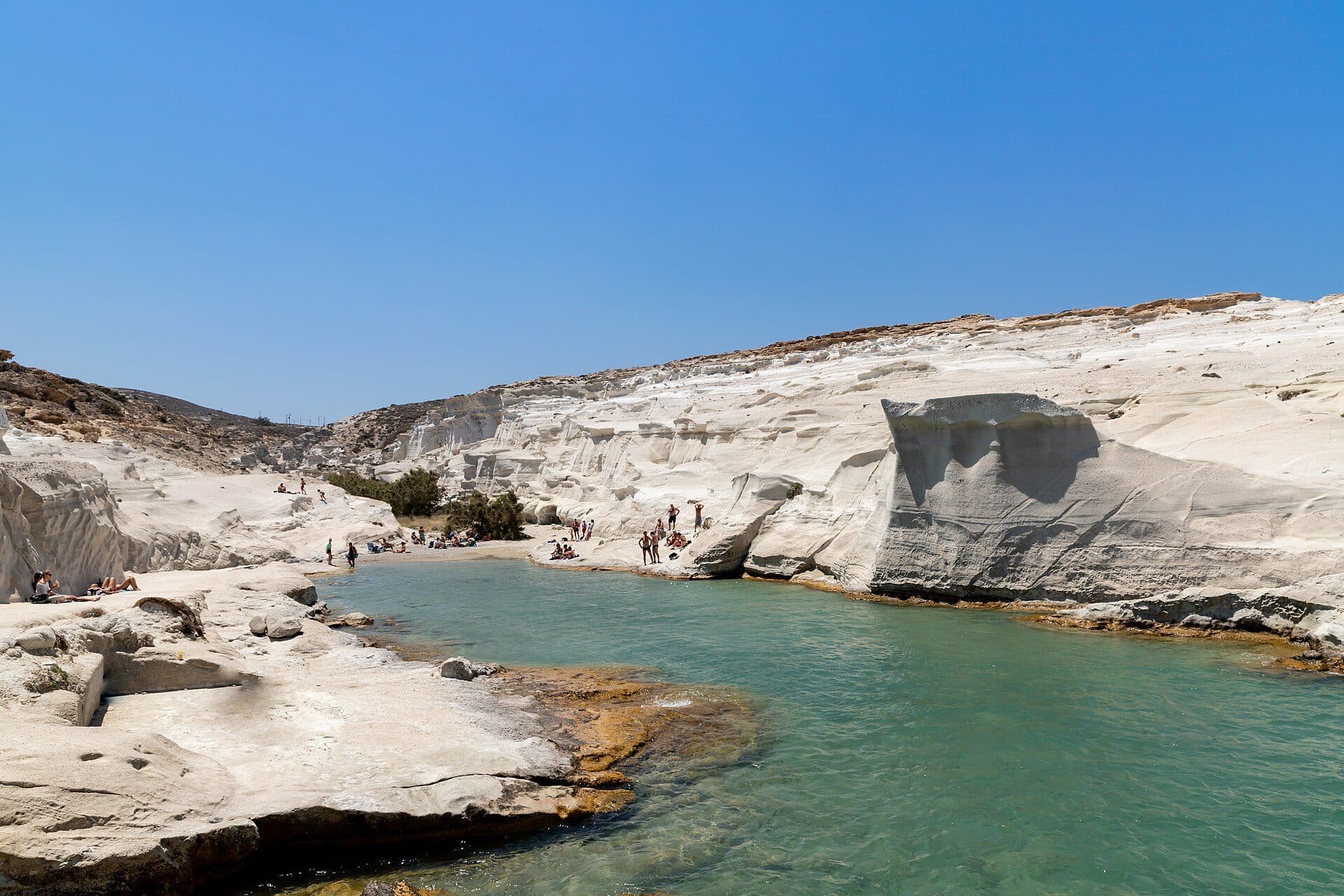
Walk on the smooth white rock and swim in the inlet before the crowds arrive. At sunrise the stone glows pink and gold.
The north coast
Culture
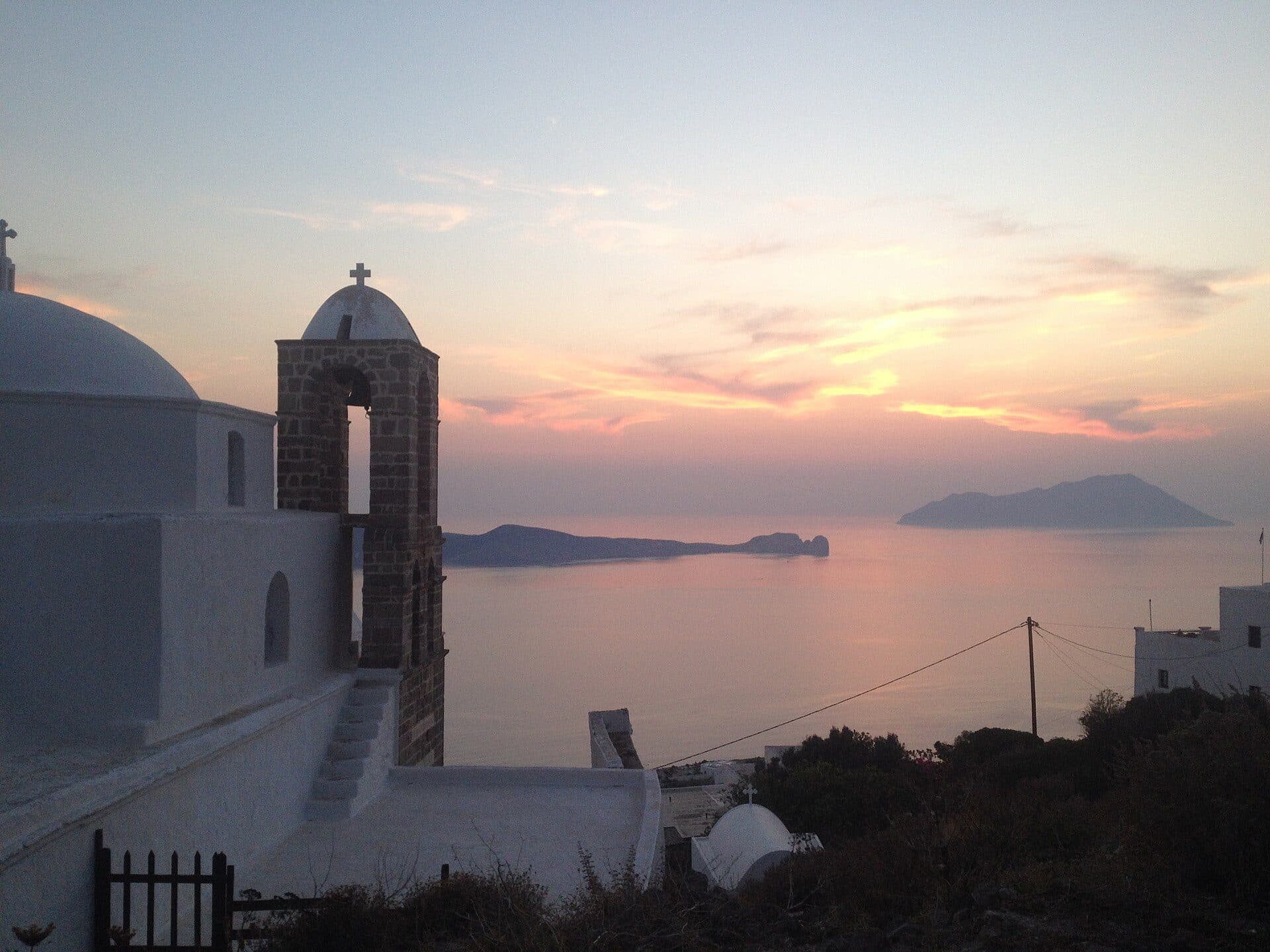
Climb the steps above Plaka to the church of Panagia Thalassitra and watch the sun go down over the Bay of Milos, a nightly gathering of the whole island.
Plaka
Hike
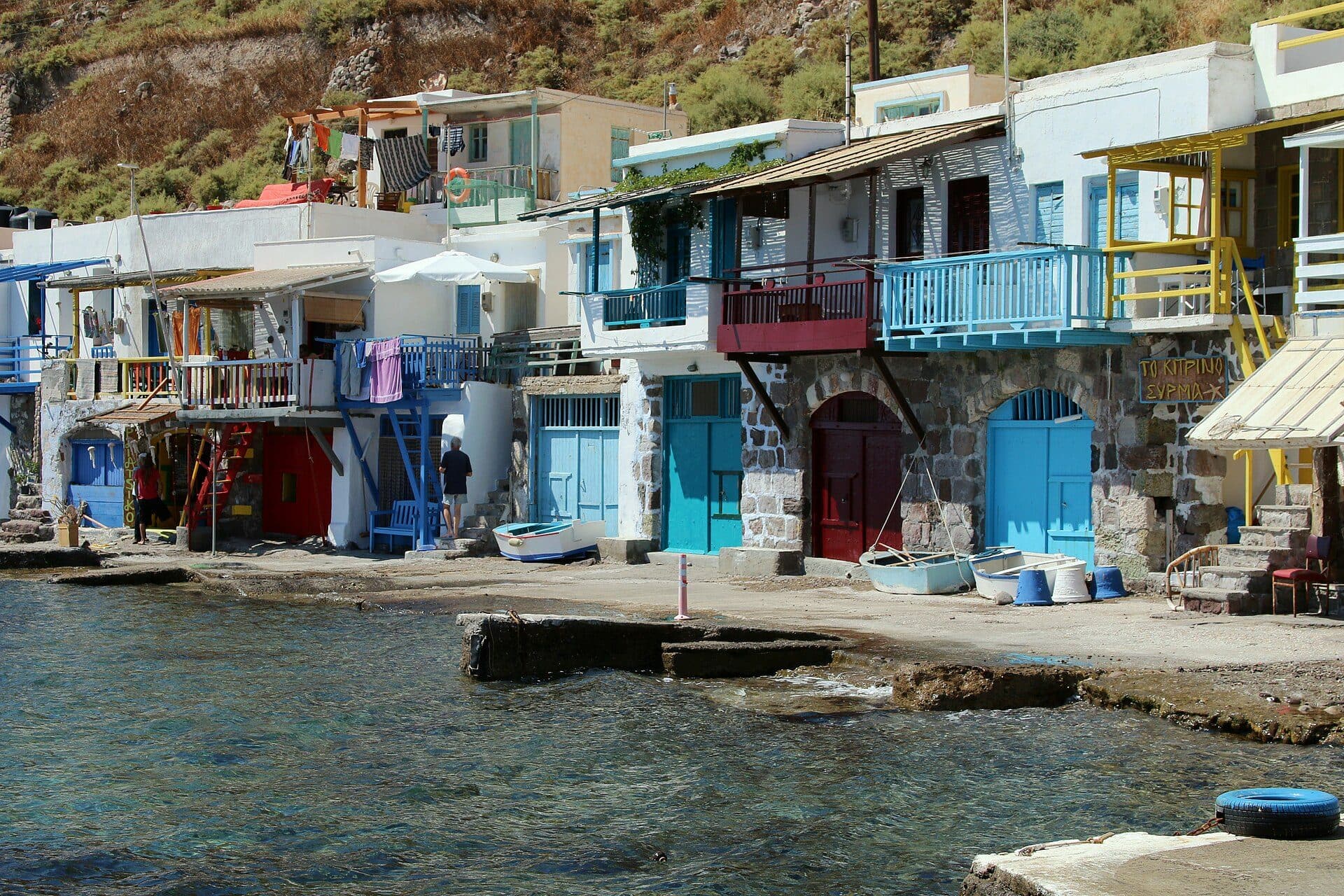
Walk down through Tripiti to the catacombs, past the Roman theatre and the field of the Venus, and on to the painted boathouses of Klima for a swim.
Plaka, Tripiti and Klima

Wellness
Feel the warm water rise through the sand at the edge of the sea, look for the yellow sulphur on the rocks, and eat a dish cooked in the hot volcanic ground.
The south coast

Beach
Use the rope and the wooden ladder to climb down a crack in the cliff to a tiny cove of clear, shallow water.
The south coast
Culture
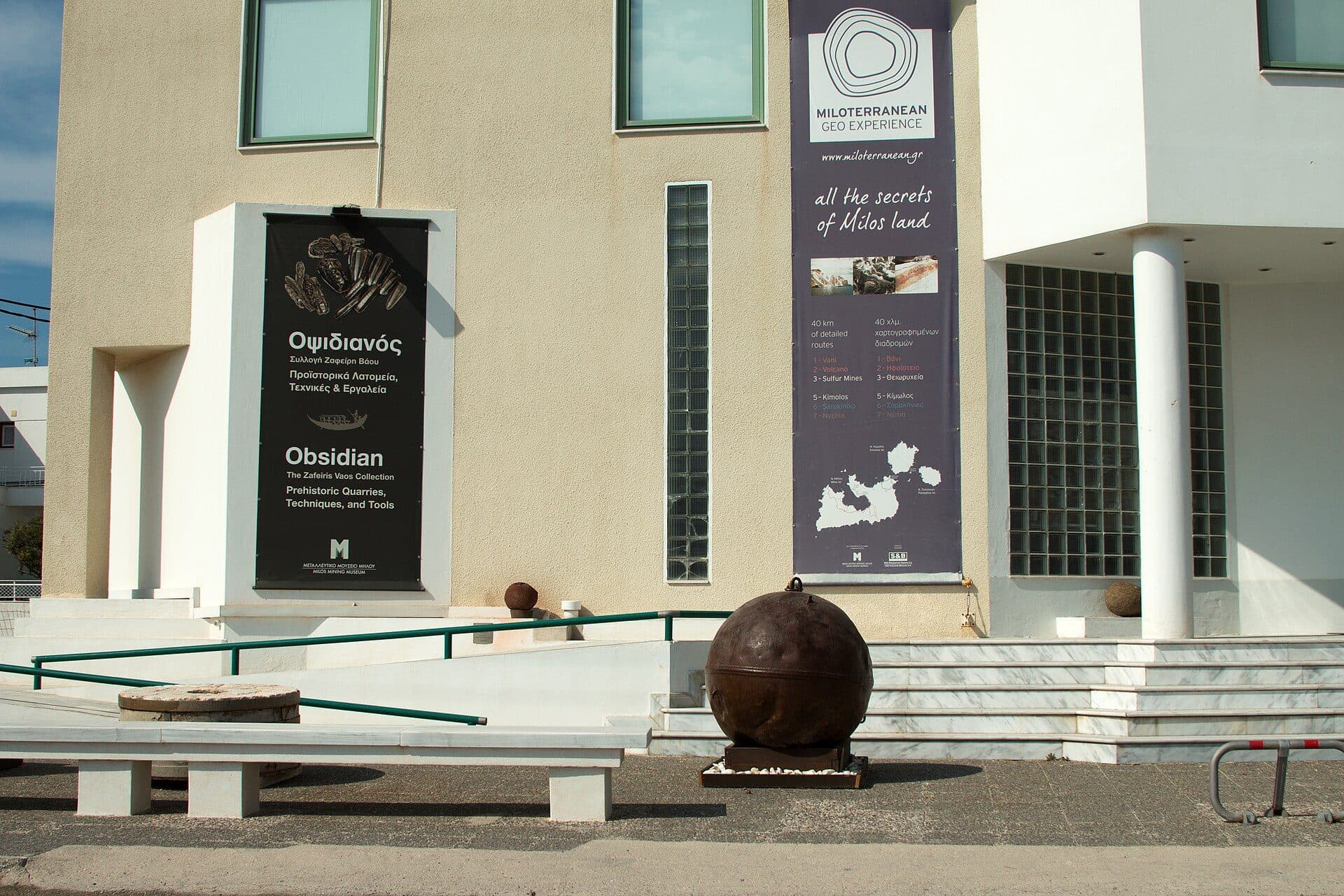
Learn how the volcano made Milos rich, from obsidian to the bentonite still shipped from the bay, then visit the old sulphur mines at Thiorichia.
Adamas

Culture
Walk among the foundations of the Bronze Age town above the sea, then peer down into the cliff inlet of Papafragas next door.
Near Pollonia

Nature
Cross the strait on the little ferry to quiet Kimolos, walk up to its walled village, eat in the port and swim at one of its white-sand beaches before the last boat back.
Kimolos, by boat from Pollonia
Only on Milos
What makes Milos different from every other Greek island.
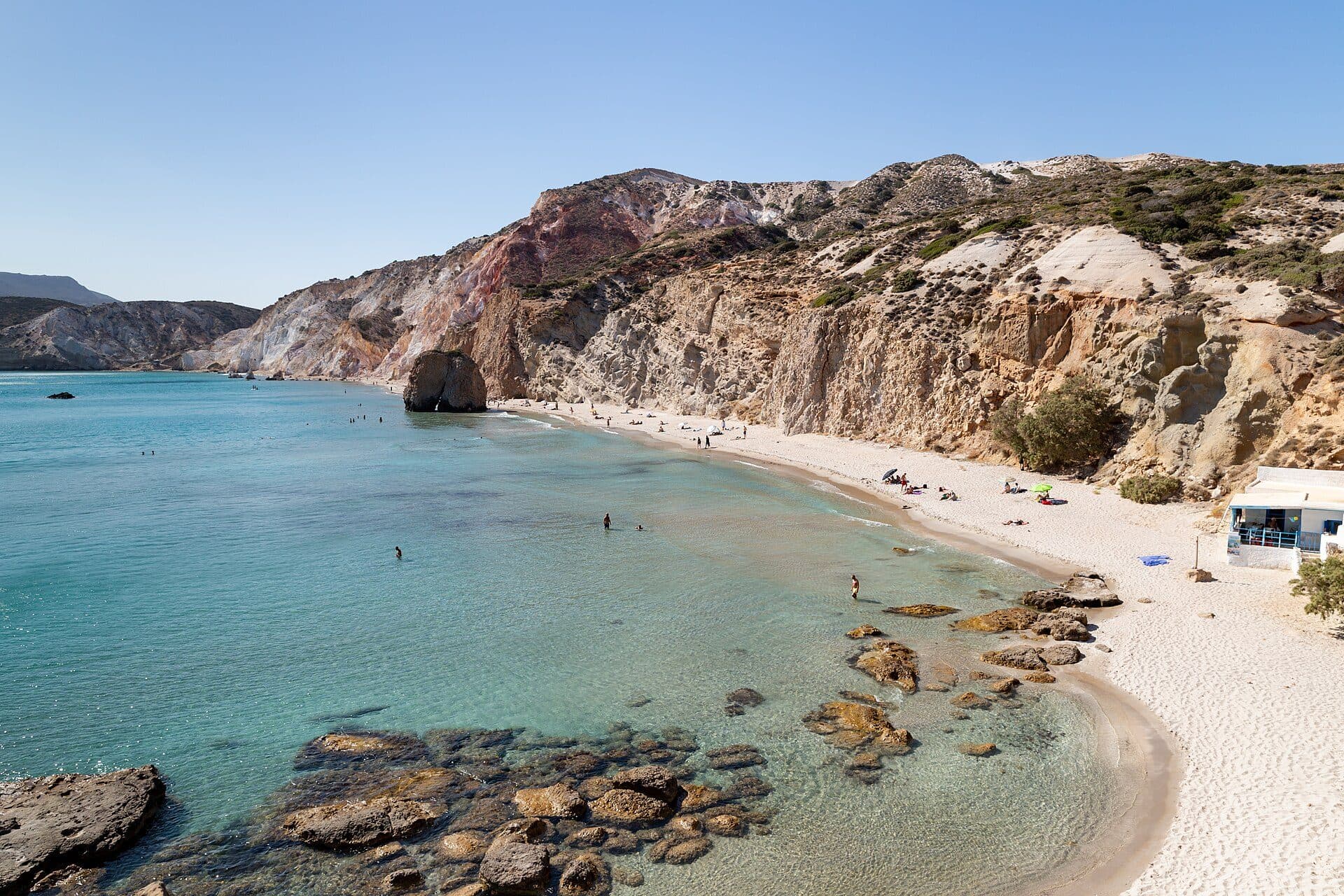
Milos was built by volcanoes, and you see it everywhere: the white pumice of Sarakiniko, the red and ochre cliffs of Firiplaka, yellow sulphur at Paleochori and Thiorichia, and warm springs that rise at the water's edge. No two of its seventy-odd beaches look alike.
Much of the west coast has no road at all. The only way to see Kleftiko, the old pirate hideout of white rocks and arches, the sea cave of Sykia with its open roof, and the coves around them is by boat, on a day trip from Adamas or a small sailing boat.
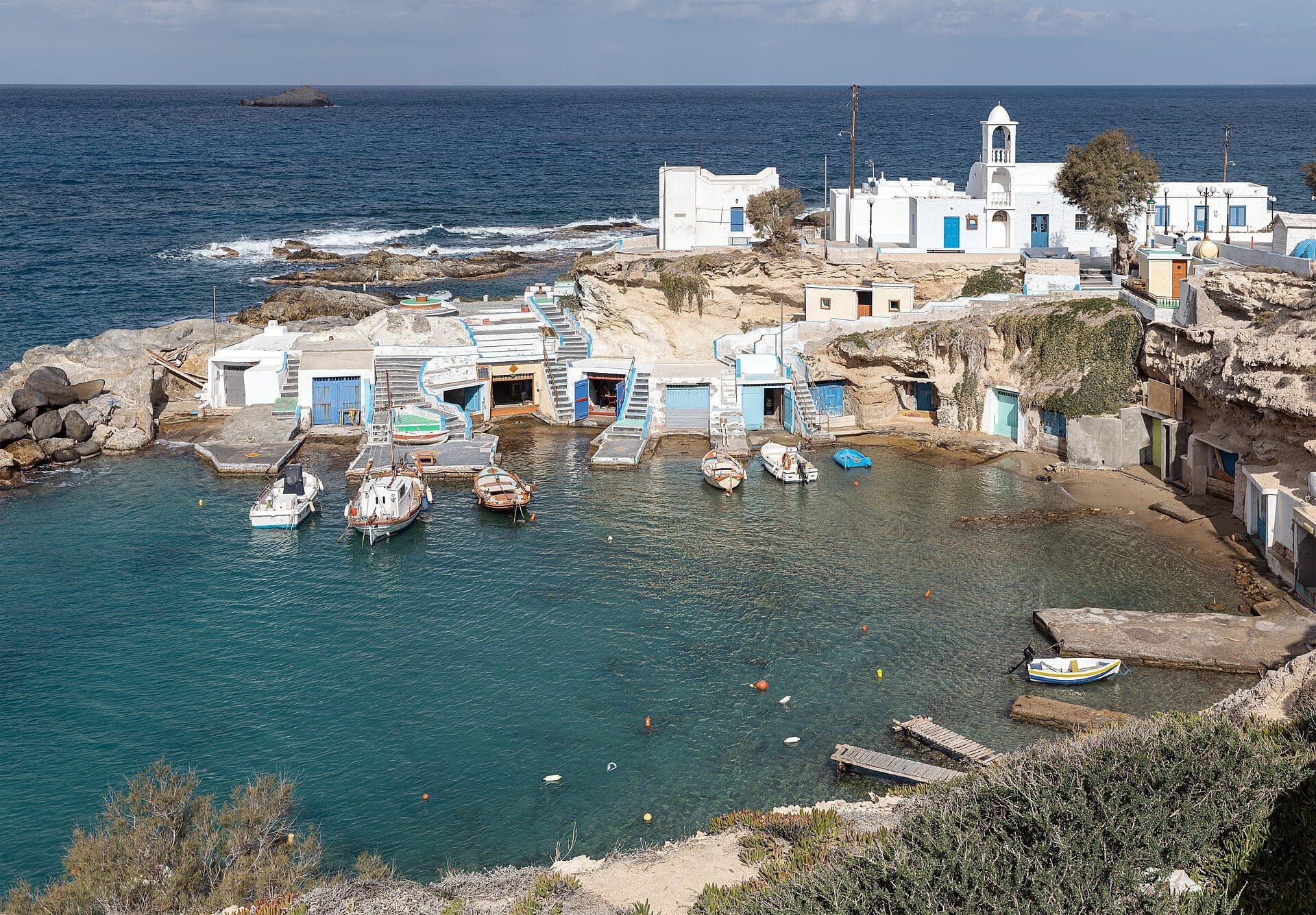
In Klima, Mandrakia, Firopotamos and a few other bays, fishermen built their houses right on the water: a boathouse below, cut into the rock, where the boat was pulled up for winter, and a small room above. Their doors and shutters are painted in bright colours, each family its own.
People have taken stone from Milos since prehistory: obsidian, then sulphur, alum, kaolin, and today bentonite and perlite, which leave on ships from the bay. The Mining Museum in Adamas tells the story, and the abandoned sulphur mines at Thiorichia show how hard the work was.