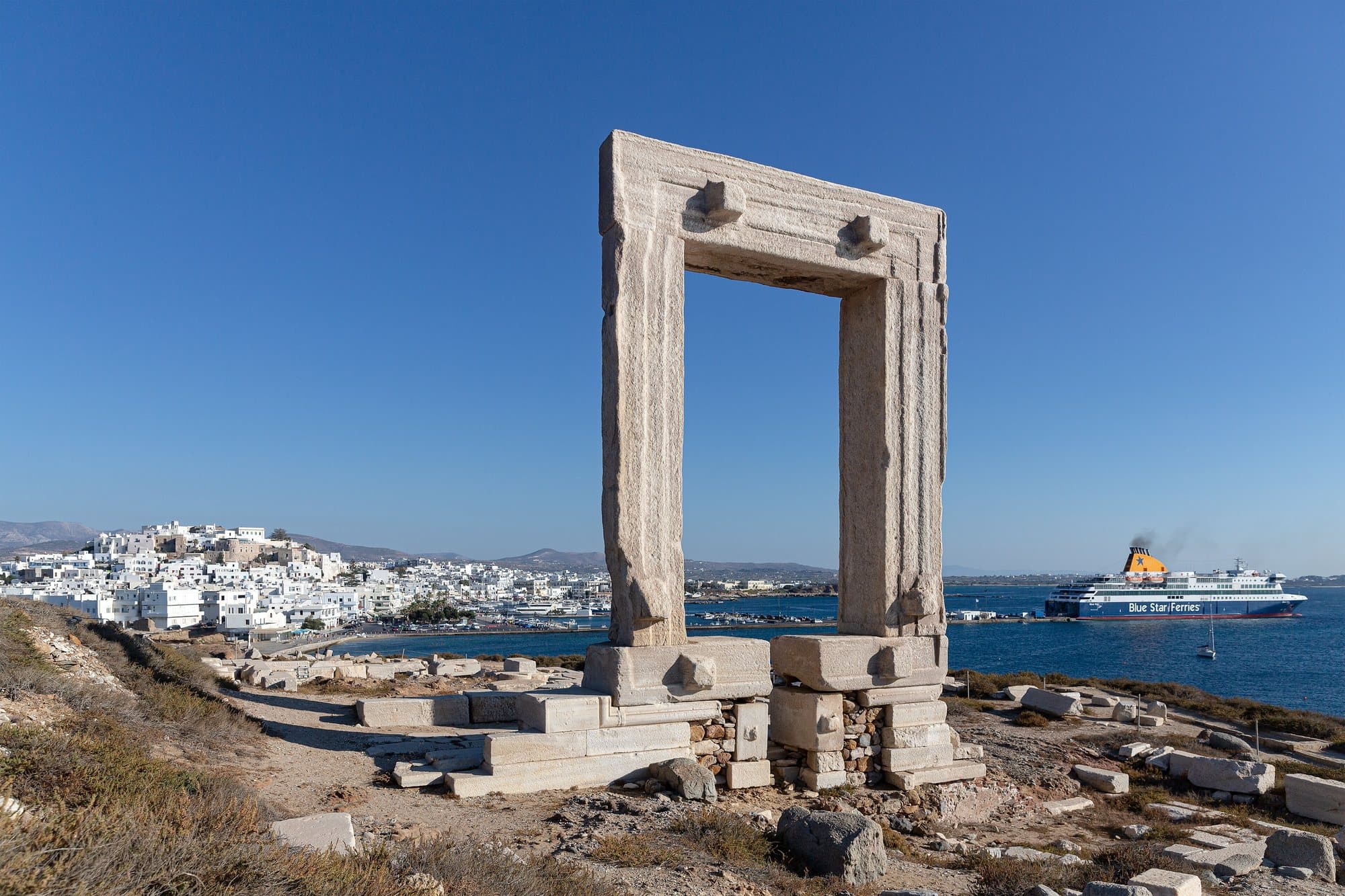
The Portara
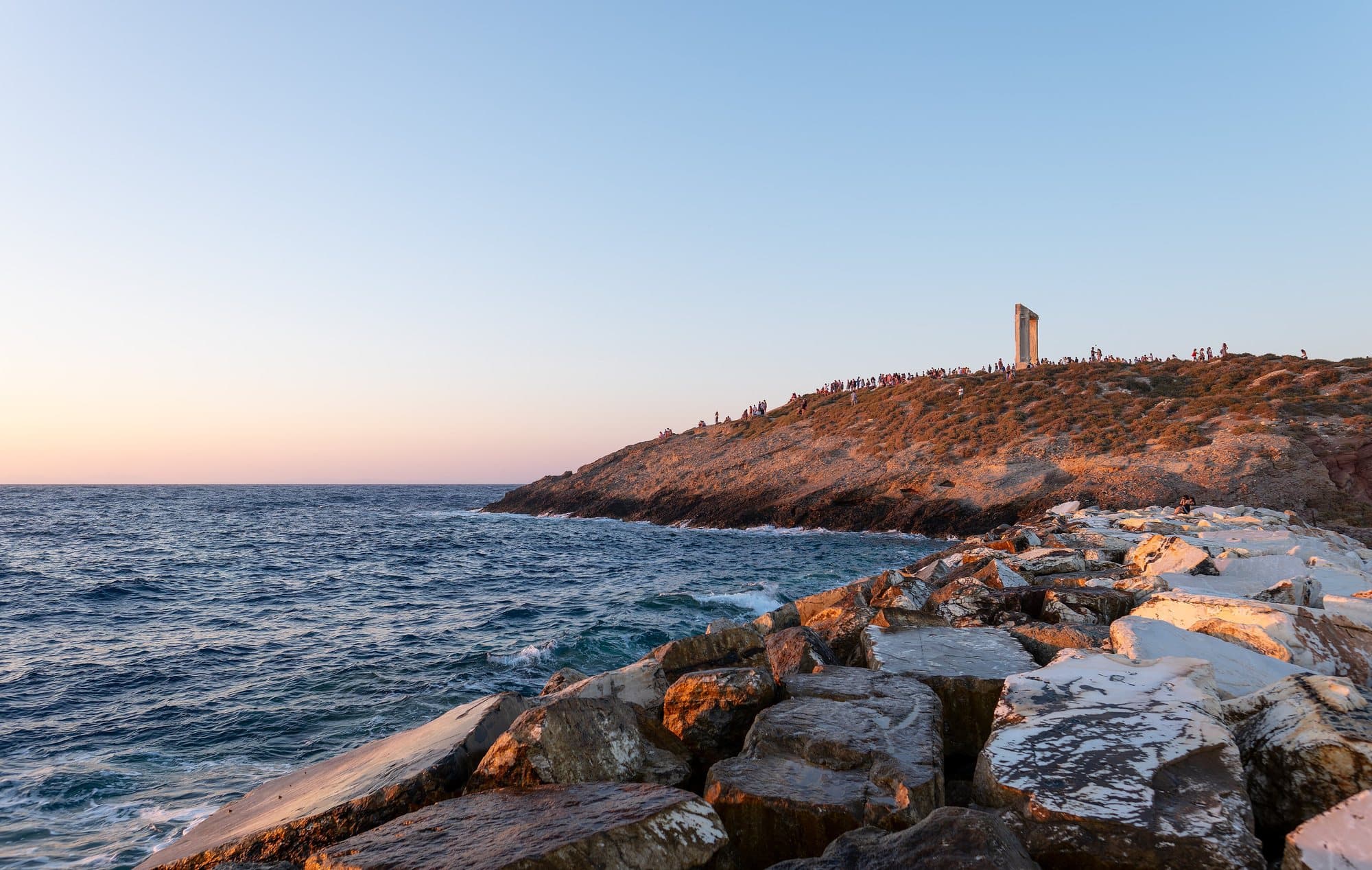
The marble gate of the unfinished temple of Apollo, on the islet of Palatia at the harbour mouth, reached by a short causeway.
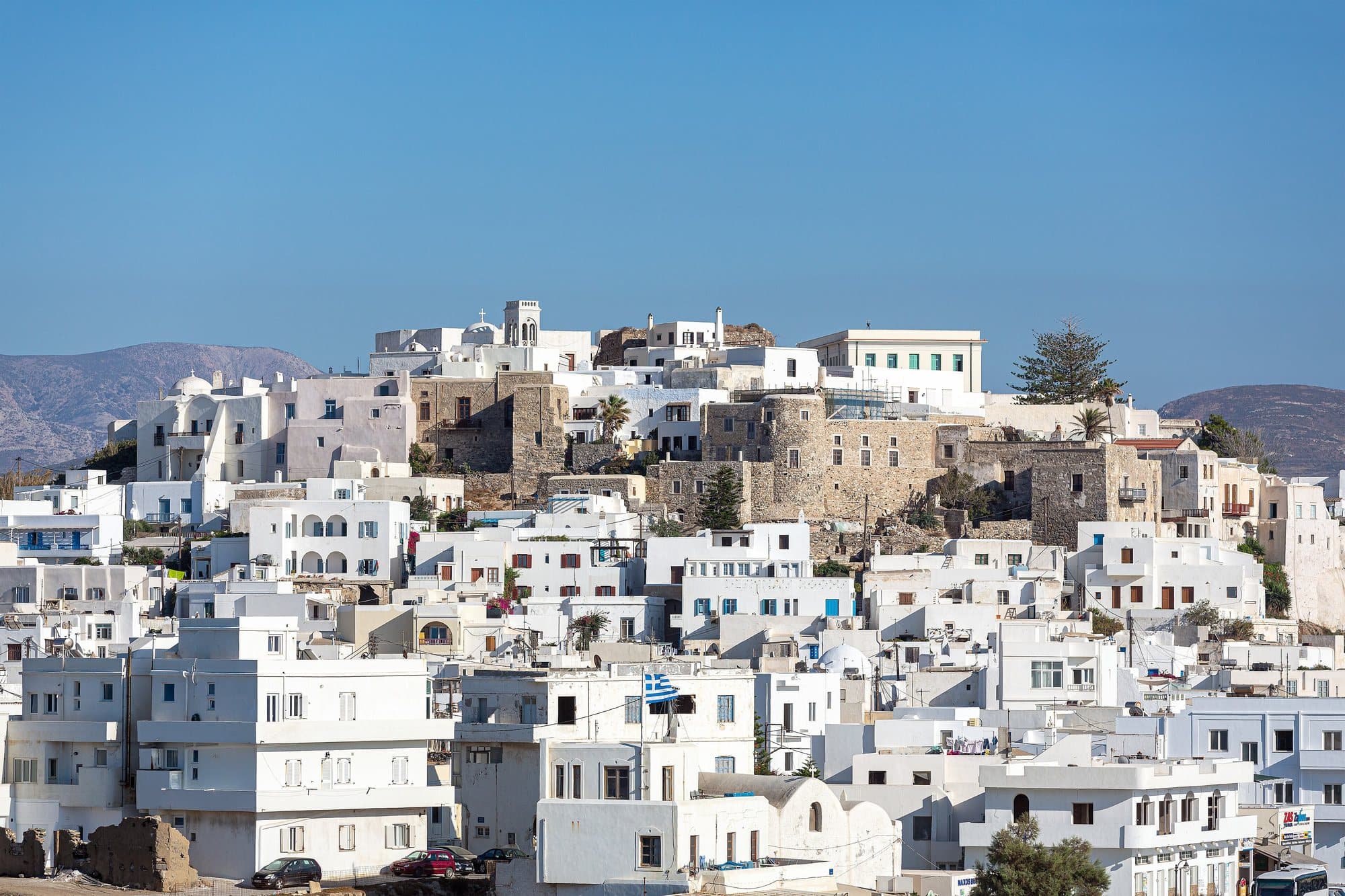
Naxos · The west coast · Χώρα
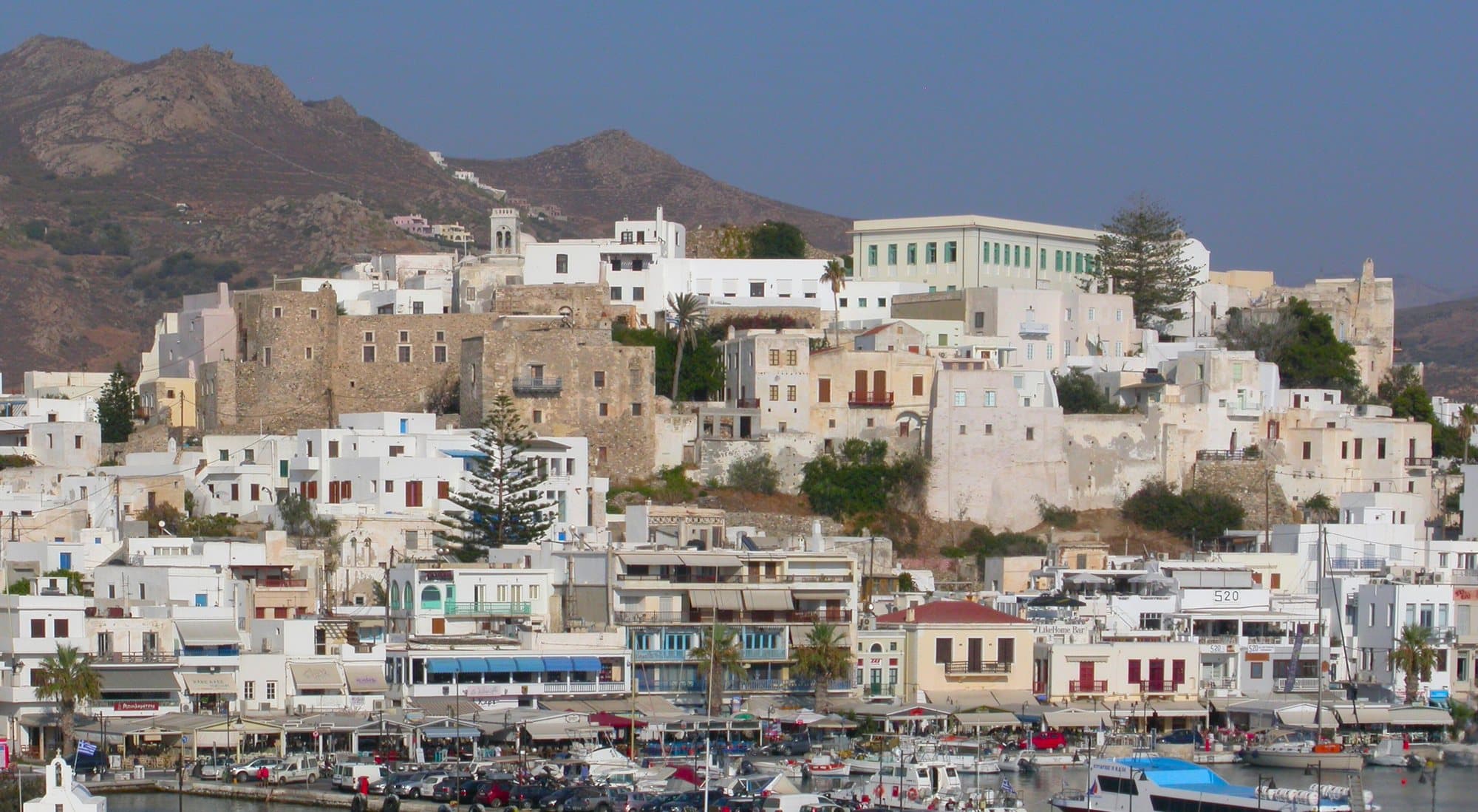
The island's capital and port, climbing from the harbour to the walls of the Kastro, the castle the Venetian dukes built in the 13th century. Below it spread the old quarters of Bourgos and the beach of Grotta, and on an islet joined by a causeway stands the Portara, the marble gate of a temple of Apollo that was never finished.
Greetings from Naxos Town (Chora)
Naxos Town
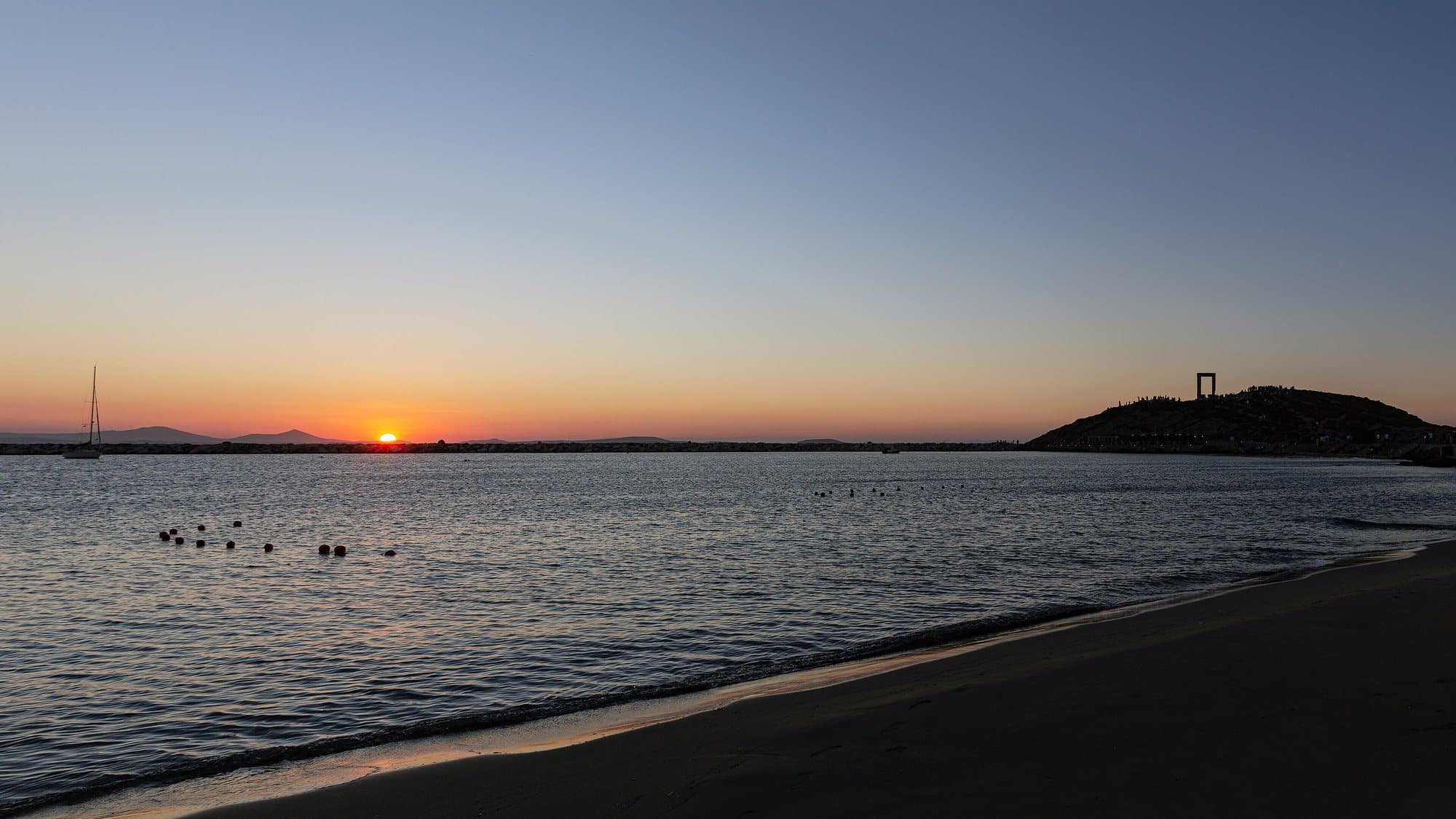
The ferry came round the headland and there it was, a marble door standing on its own above the sea. We dropped our bags and climbed through the Kastro, all quiet stone lanes and coats of arms over the doors. At sunset half the town walked out along the causeway to the Portara, and we sat on the warm rocks and watched the sun drop behind Paros, right through the gate.
A Venetian castle town above the harbour, with the Portara at its door
Chora has been the heart of Naxos for more than 5,000 years. Under the cathedral square, near the beach of Grotta, archaeologists found the remains of a Mycenaean town, and the island's Cycladic past fills the Archaeological Museum at the top of the hill. On the little islet of Palatia, at the harbour mouth, the tyrant Lygdamis began a huge marble temple to Apollo around 530 BC. It was never finished, but its great doorway, the Portara, still stands, about 6 m high, framing the sea.
Myth puts the islet at the start of a love story. It was here, they say, that Theseus left Ariadne asleep on his way home from Crete, after she helped him escape the Labyrinth. She woke alone on the shore, and the god Dionysus found her and made her his wife.
In 1207 the Venetian Marco Sanudo took Naxos and made it the capital of the Duchy of the Archipelago, which ruled much of the Cyclades for more than 350 years. He built the Kastro on the hilltop, a ring of houses whose outer walls formed the fortifications, with only a few gates. Catholic families still live there, behind doorways carved with their coats of arms, around the Catholic cathedral and the old Ursuline convent. The French school of the Holy Cross, where the young Nikos Kazantzakis studied, stands in the Kastro too.
Below the walls, the Greek town grew in the lanes of Bourgos, a tangle of white arches, stairs and little churches that runs down to the harbour. In the evening the waterfront fills with people, the ferries come and go, and everyone walks out along the causeway to the Portara to watch the sun go down behind Paros.
Hour by hour
A morning in the castle, an afternoon on the sand, and the sunset at the gate of Apollo. Here is how we would spend a day here.
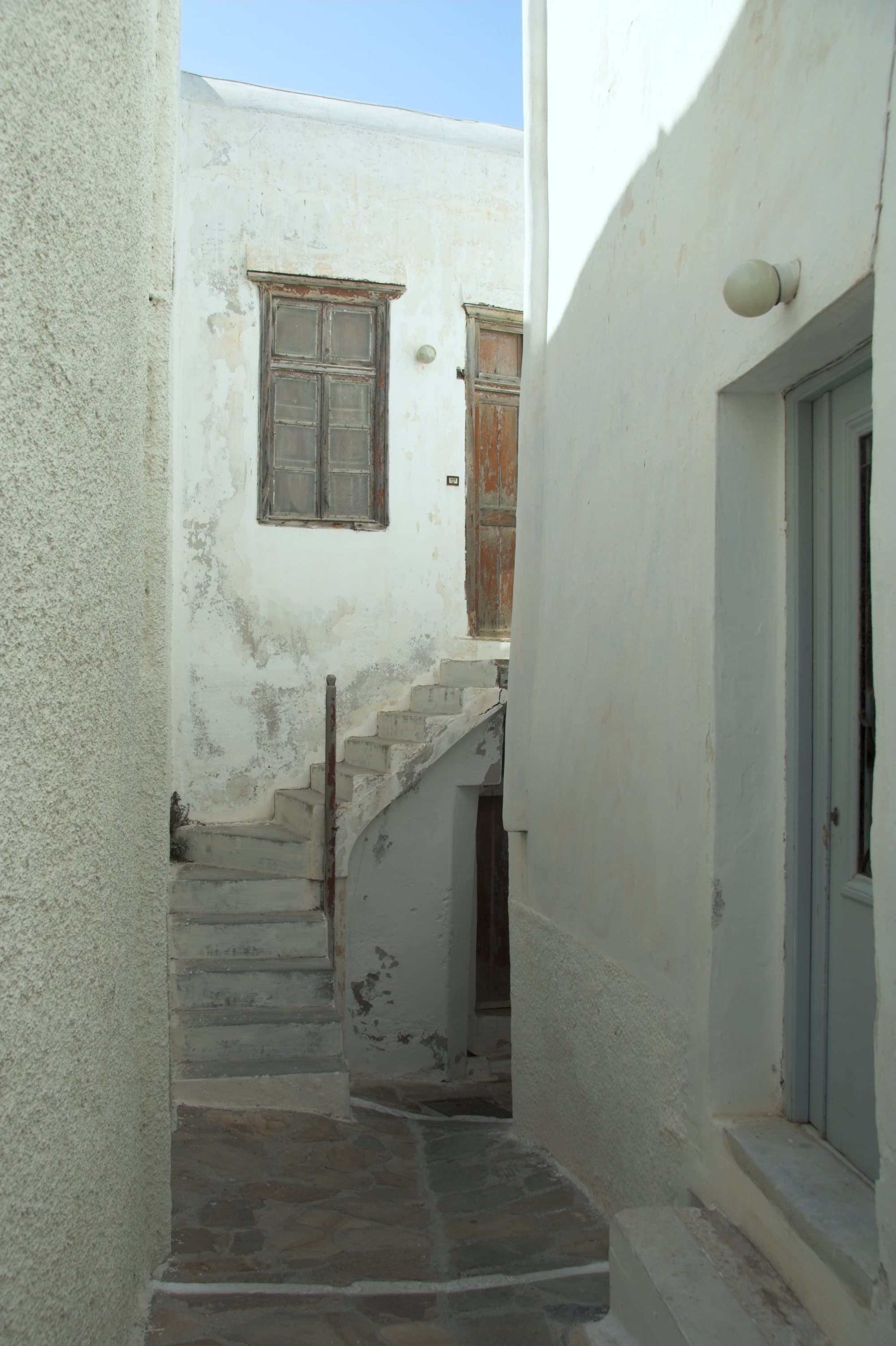
Climb from the harbour into the Kastro while the stone is still cool. Walk its narrow lanes and covered passages, look for the coats of arms over the doors, and stop at the Catholic cathedral.
See the Cycladic figurines in the Archaeological Museum, then visit the Della Rocca-Barozzi Venetian Museum, a family mansion in the castle walls, still full of its old furniture.

Wander down into the lanes of the old town and find a table in the shade for home cooking, Naxian cheese, potatoes and a cold glass of white wine.
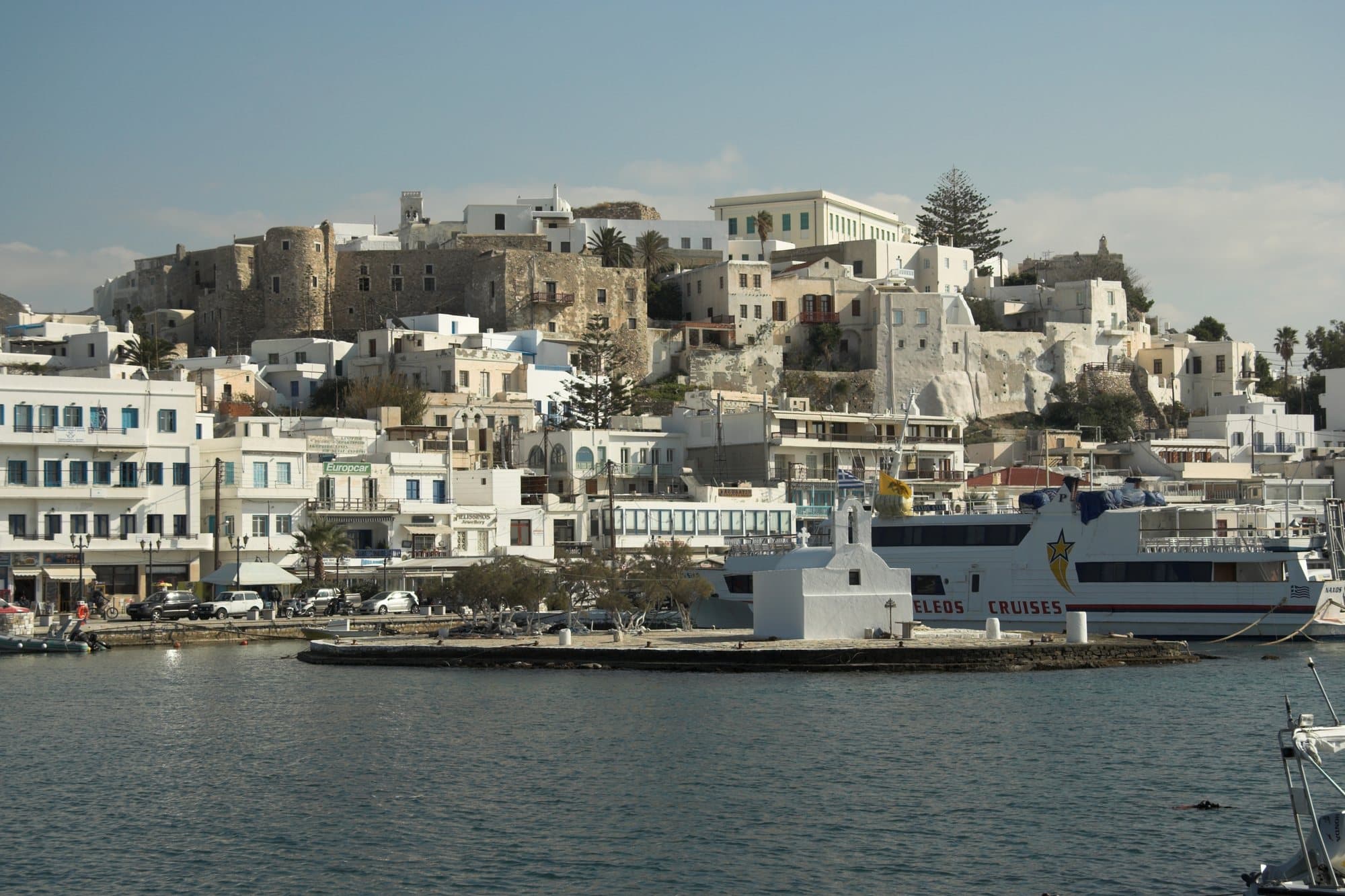
Walk ten minutes south to the town beach of Agios Georgios, with shallow water and sand, or take a short taxi ride to Agios Prokopios for the clearest sea on the coast.
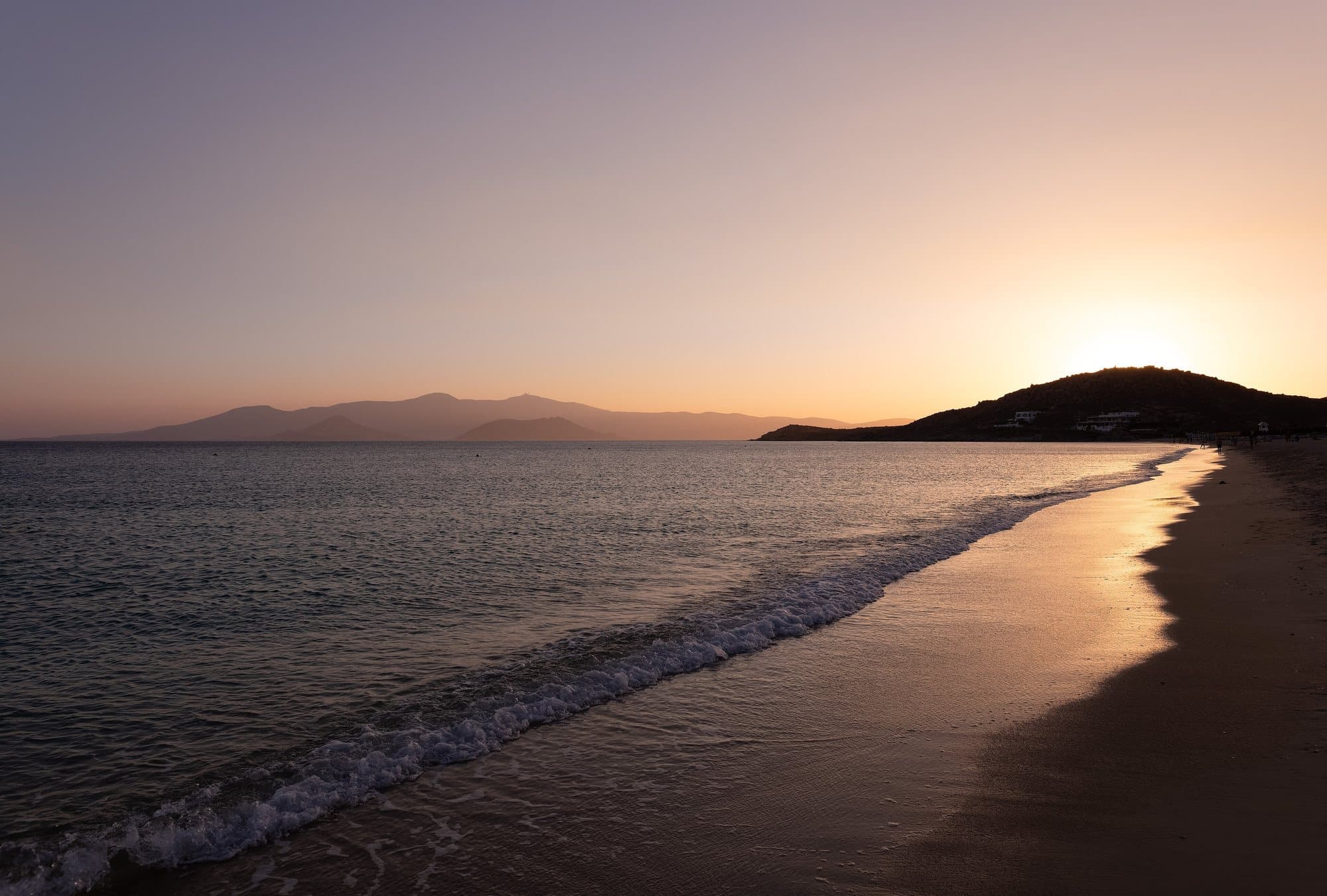
Walk along the causeway to the islet of Palatia and find a rock by the marble gate. The sun sets behind Paros, and the whole town seems to come out to watch.
Eat in the lanes of the old town, with Naxian wine and cheese, then walk home past the harbour lights.

Where to stay
Grotta, Naxos Town
Hotel Grotta · Family-run hotel · €€
Kastro, Naxos Town
Chateau Zevgoli · Small Cycladic hotel · €€
Agios Georgios, Naxos Town · The west coast
Agios Georgios, Naxos Town · The west coast
Where to eat
Protodikeiou Square, Naxos Town · The west coast
Naxos Town · The west coast
Naxos Town · The west coast
Within an easy drive
The marble gate of the unfinished temple of Apollo, on the islet of Palatia at the harbour mouth, reached by a short causeway.
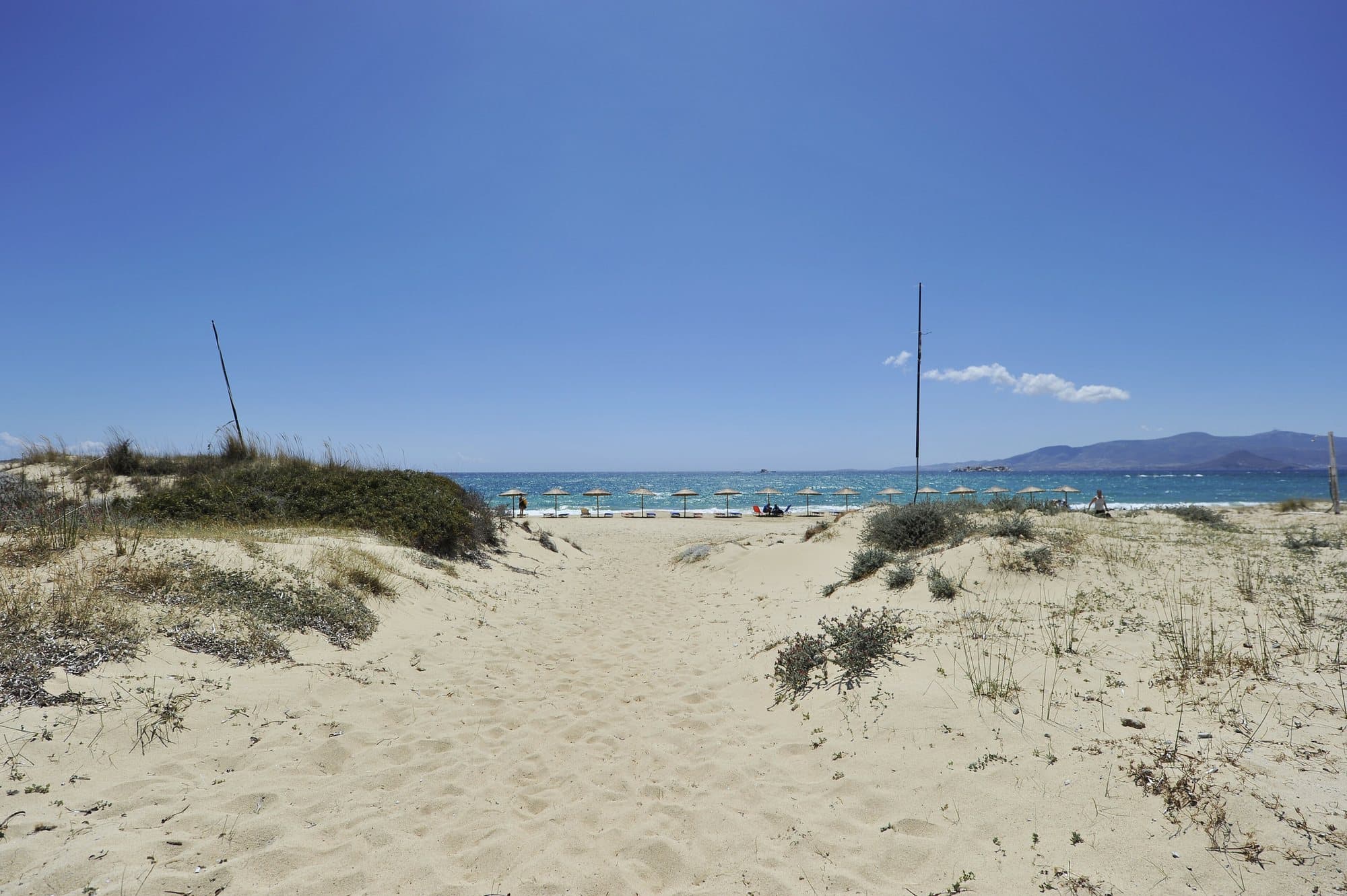
The long sandy beaches of the west coast, starting 5 km south of town, with clear water and tavernas behind the sand.

A marble temple from about 530 BC in the fields near Sangri, half an hour's drive inland, partly rebuilt in recent years.
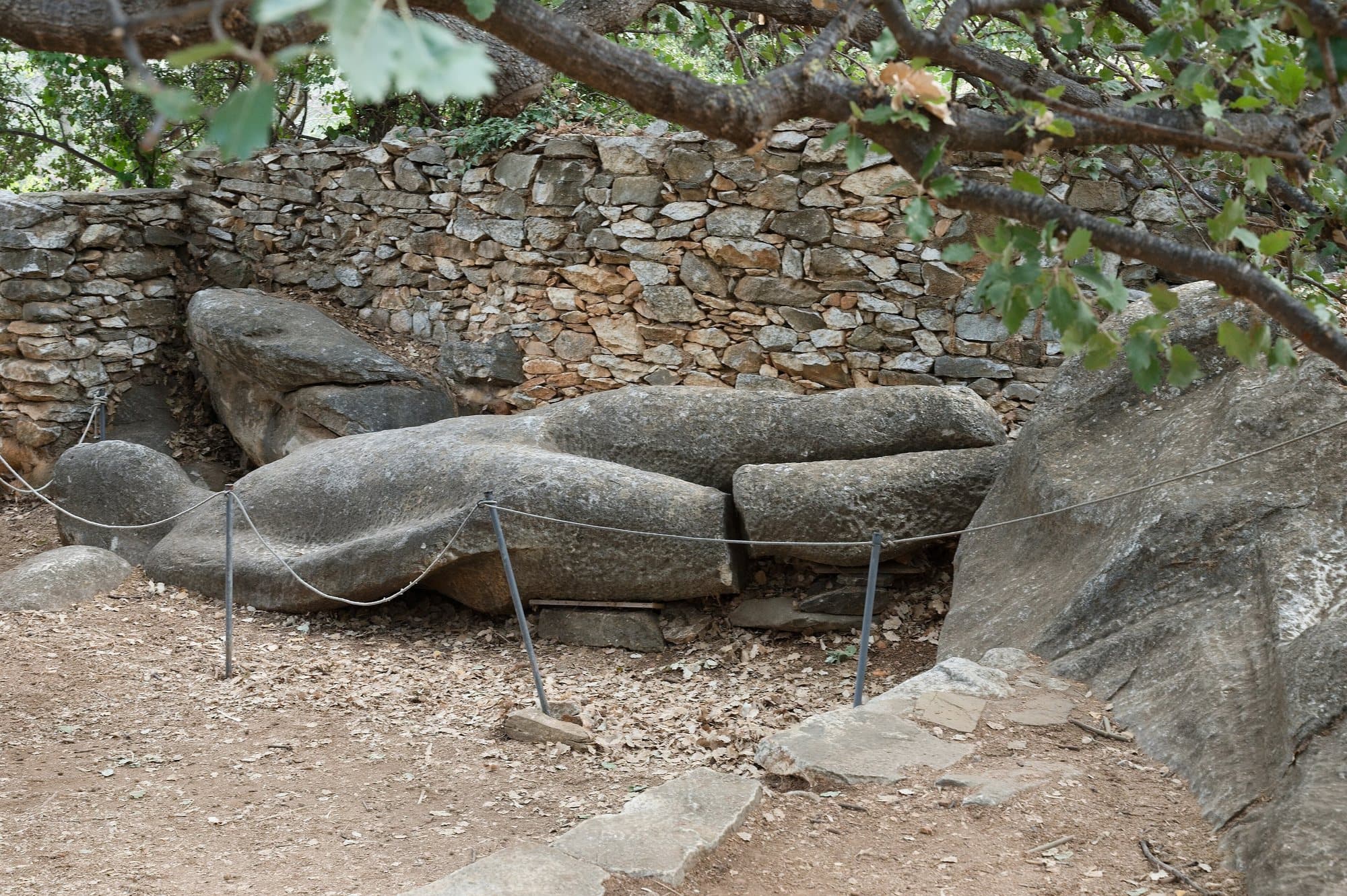
A 6th-century BC marble statue lying where it broke in an ancient quarry near Melanes, in a garden of fruit trees, 20 minutes from town.
Good to know
Chora is where the ferries come in, so you arrive on foot. The airport is 3 km south, about 5 minutes by taxi. The old town and the Kastro are only for walking; leave a car in the car parks by the harbour or at the edge of town.
May, June, September and early October are best, with warm sea and cool evenings for walking the Kastro. July and August are lively, with the Naxos Festival at the Bazeos Tower and full waterfront tables, but book well ahead.
Every stay we recommend across Naxos, from village guesthouses to rooms on the sea.
See all stays
