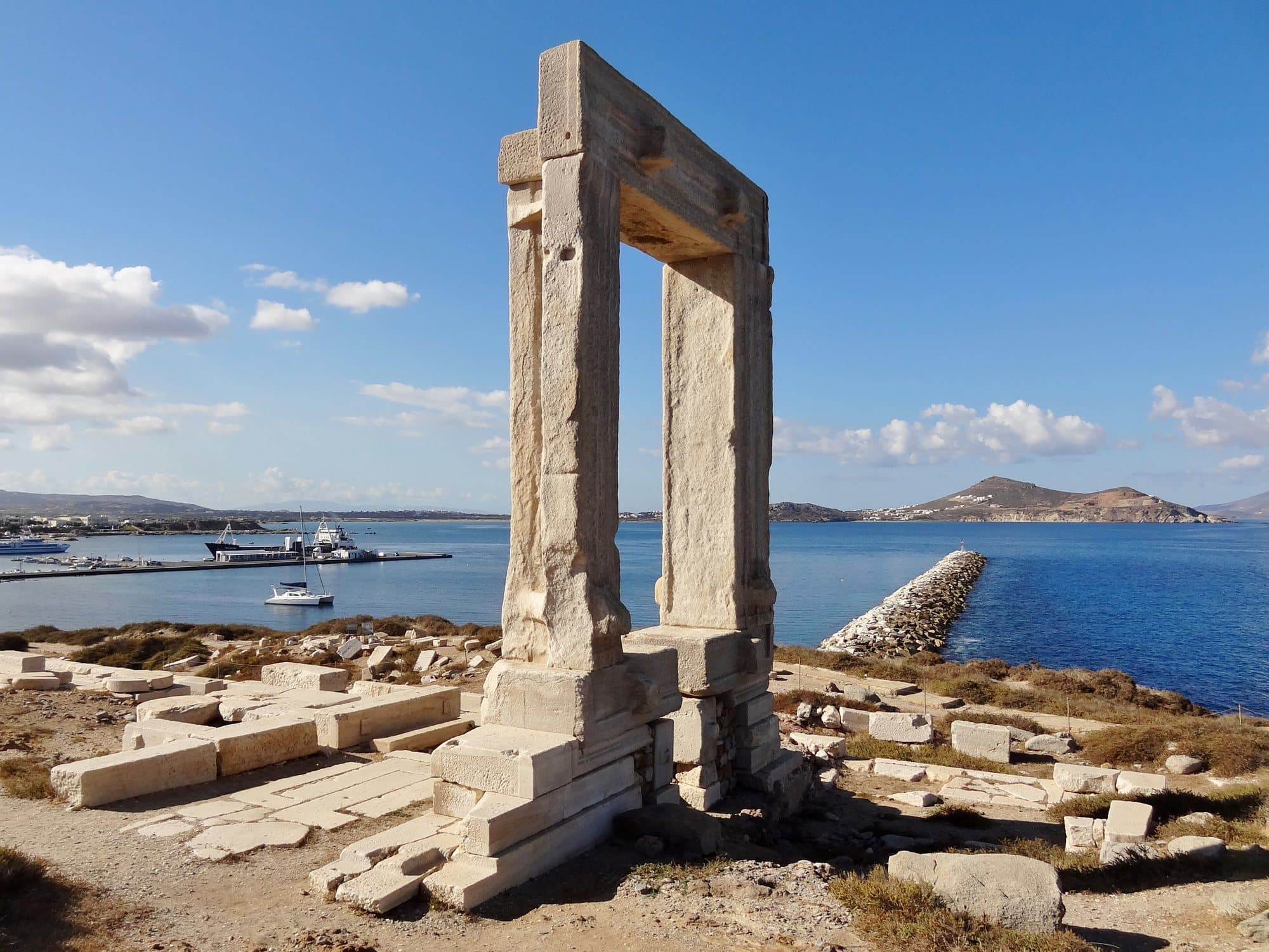
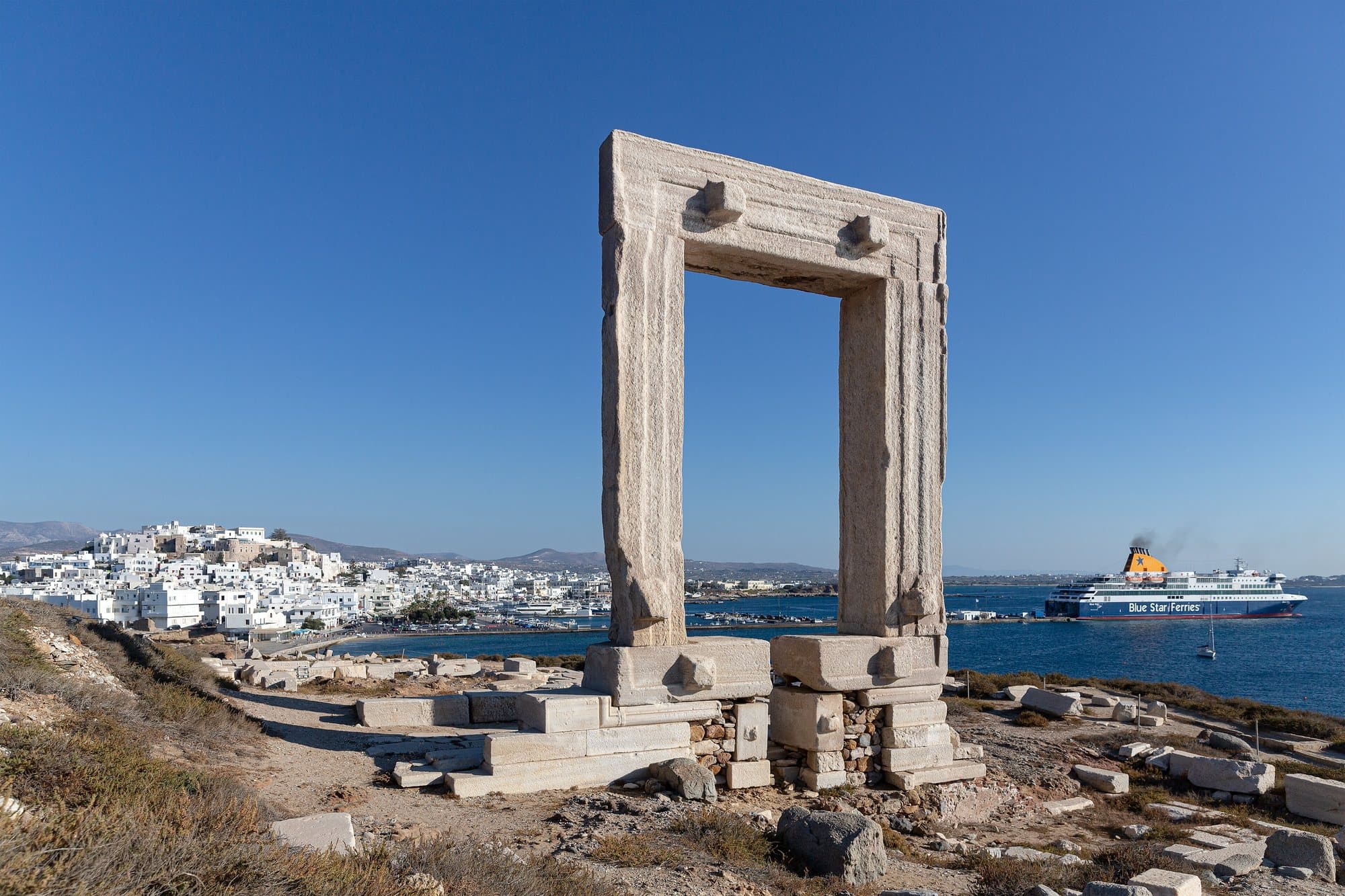
The Portara
The marble gate of the unfinished temple of Apollo on the islet of Palatia, joined to Chora by a causeway. Free to visit, best at sunset.
Naxos · History
Marble figurines from the Bronze Age, the myth of Ariadne, the giants of the archaic sculptors, a Venetian duchy, and villages that kept their old ways in the mountains.
Timeline
c. 3200–2000 BC
In the Early Bronze Age the islanders of the Cyclades carved marble figures, most of them women with arms folded, which look strikingly modern today. Naxos, with its marble and emery, was one of the great centres of this culture, and its museums are full of them.

7th–6th centuries BC
In the archaic age Naxos was one of the richest islands in the Aegean. Its sculptors sent marble lions to Delos and a sphinx to Delphi, and left kouroi, statues of young men, in the quarries at Flerio and Apollonas. Around 530 BC the tyrant Lygdamis began the temple of Apollo whose gate, the Portara, still stands, and the marble temple of Demeter near Sangri was built at about the same time.

Byzantine era
Naxos has more Byzantine churches than any other island in the Cyclades. In the Tragea valley, Panagia Protothronos in Halki keeps layers of frescoes from several centuries, among the oldest on the island.

1207–1566
After the Fourth Crusade, the Venetian Marco Sanudo took Naxos and made it the capital of a duchy that ruled much of the Cyclades. He built the Kastro above the harbour, and his lords built tower houses across the island, like the Barozzi tower in Filoti. The duchy ended when the Ottomans took the islands in the 16th century.
Ottoman era to today
Under the Ottomans, monasteries such as the fortified Bazeos tower near Sangri held land across the island. Naxos joined the new Greek state after the War of Independence. In the 19th and 20th centuries the men of Koronos and Apiranthos mined emery in the northern mountains, and the old cableway still crosses the hills.

Visit
The marble gate of the unfinished temple of Apollo on the islet of Palatia, joined to Chora by a causeway. Free to visit, best at sunset.
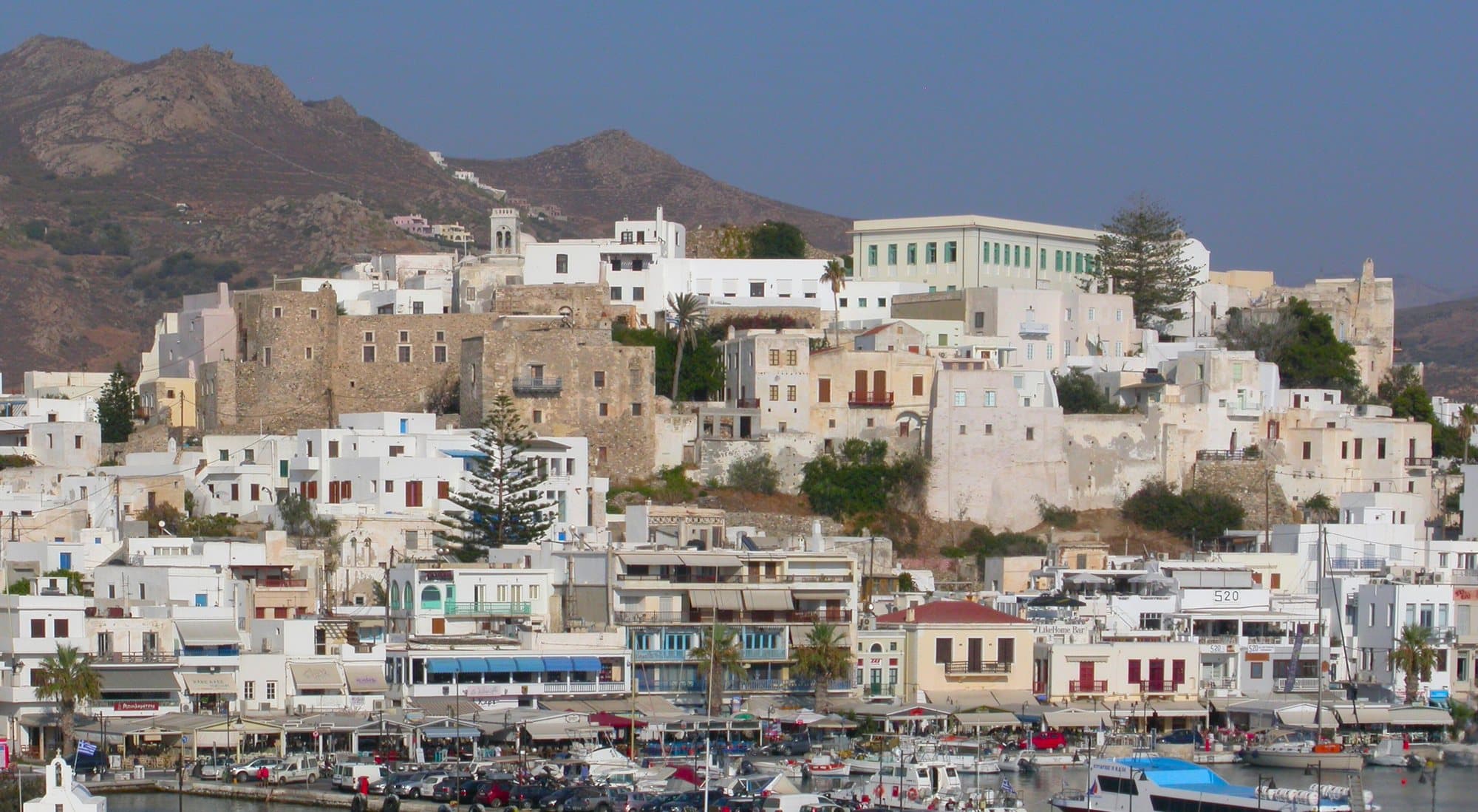
The 13th-century Venetian castle town on the hill above the harbour, with its Catholic cathedral, mansions and covered lanes.
A marble temple of about 530 BC in the fields south of Sangri, partly rebuilt, with a small site museum.
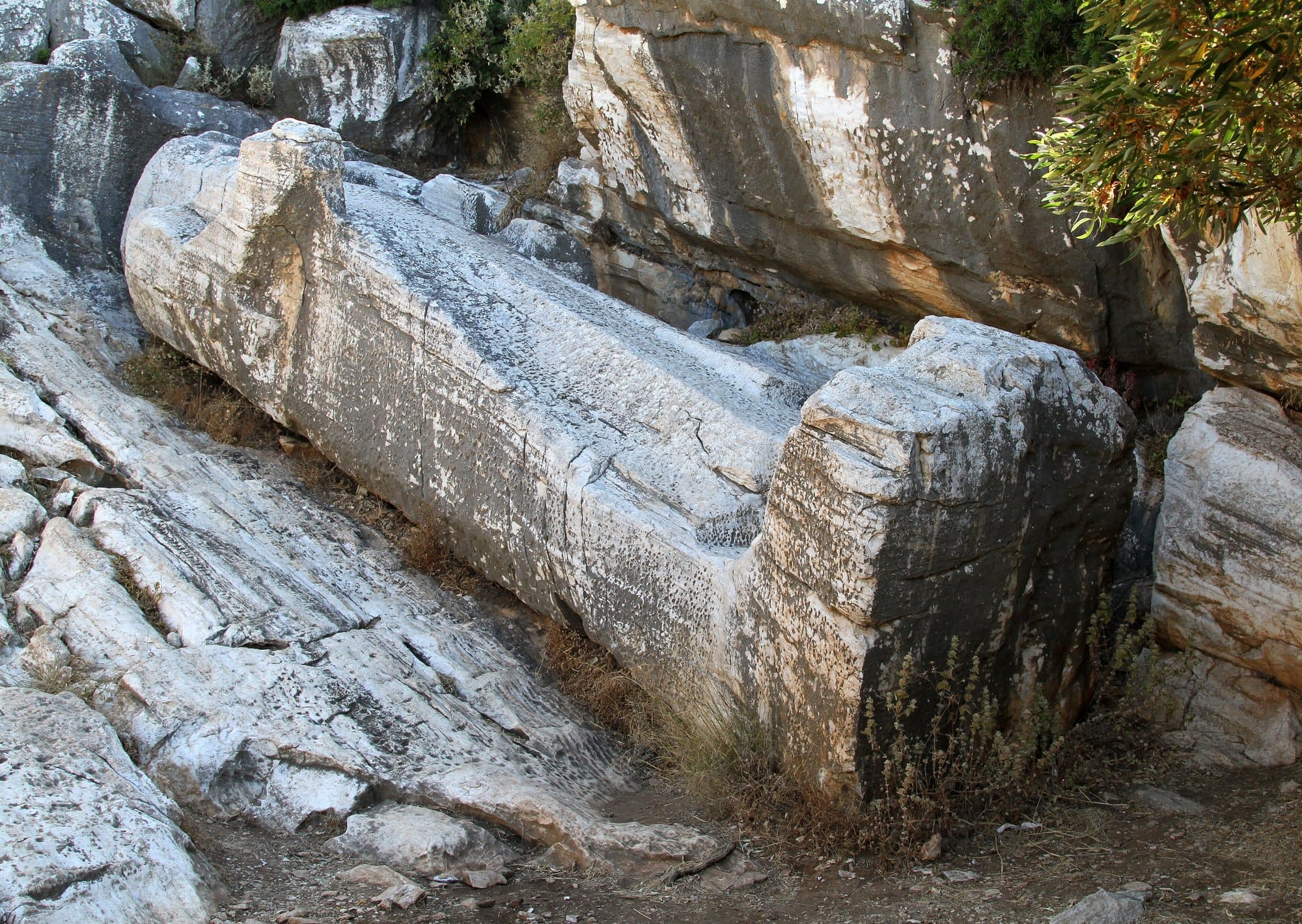
A colossal statue more than 10 m long, left unfinished in its quarry on the hillside above Apollonas in the 7th or 6th century BC.
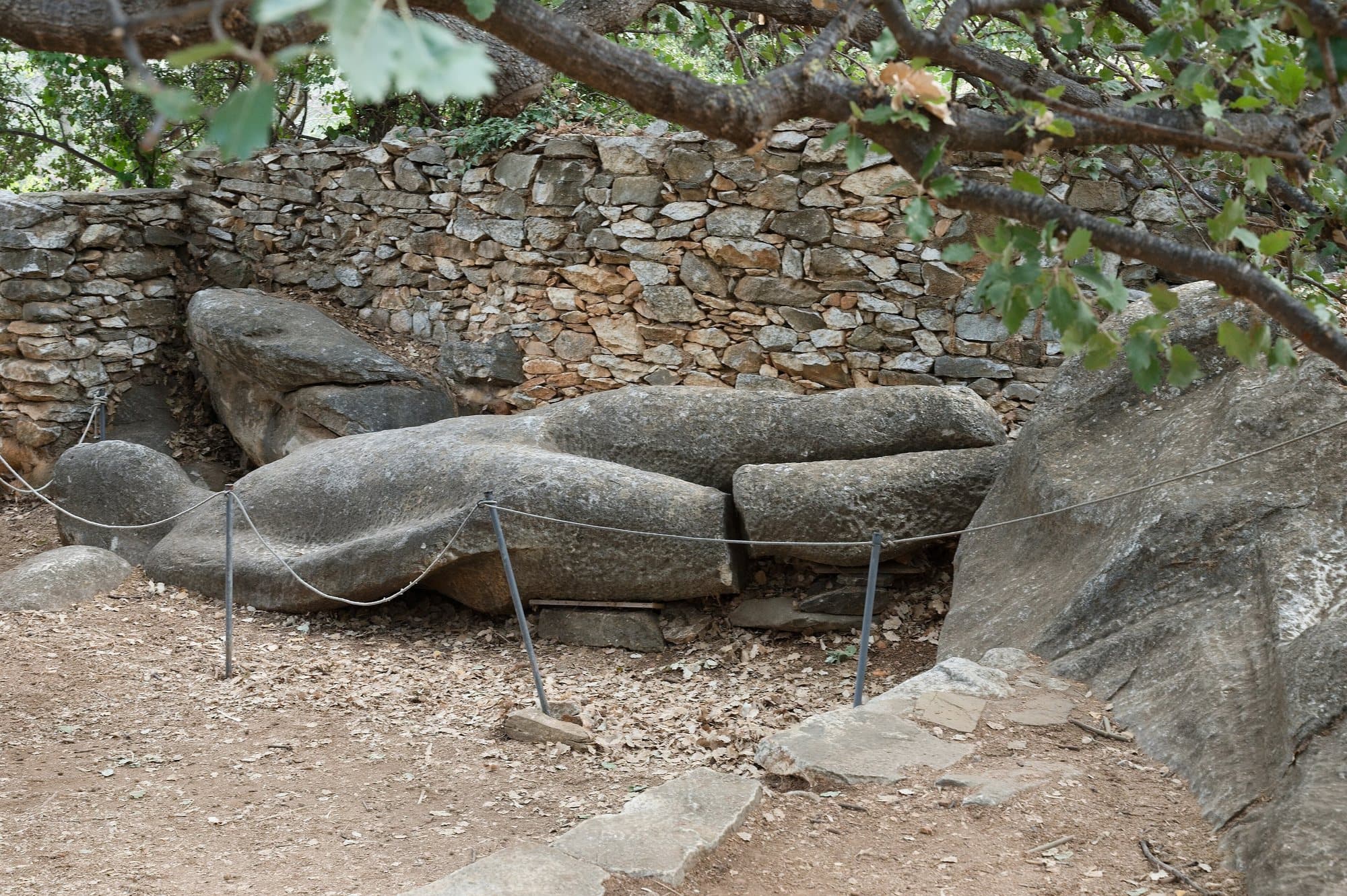
A 6th-century BC kouros, about 5 m long, lying in a garden by the ancient quarry near Melanes, with a second one nearby up the hill.
A 17th-century fortified monastery tower near Sangri, restored as an art space. It hosts exhibitions and the Naxos Festival in summer.