
Heraion of Samos
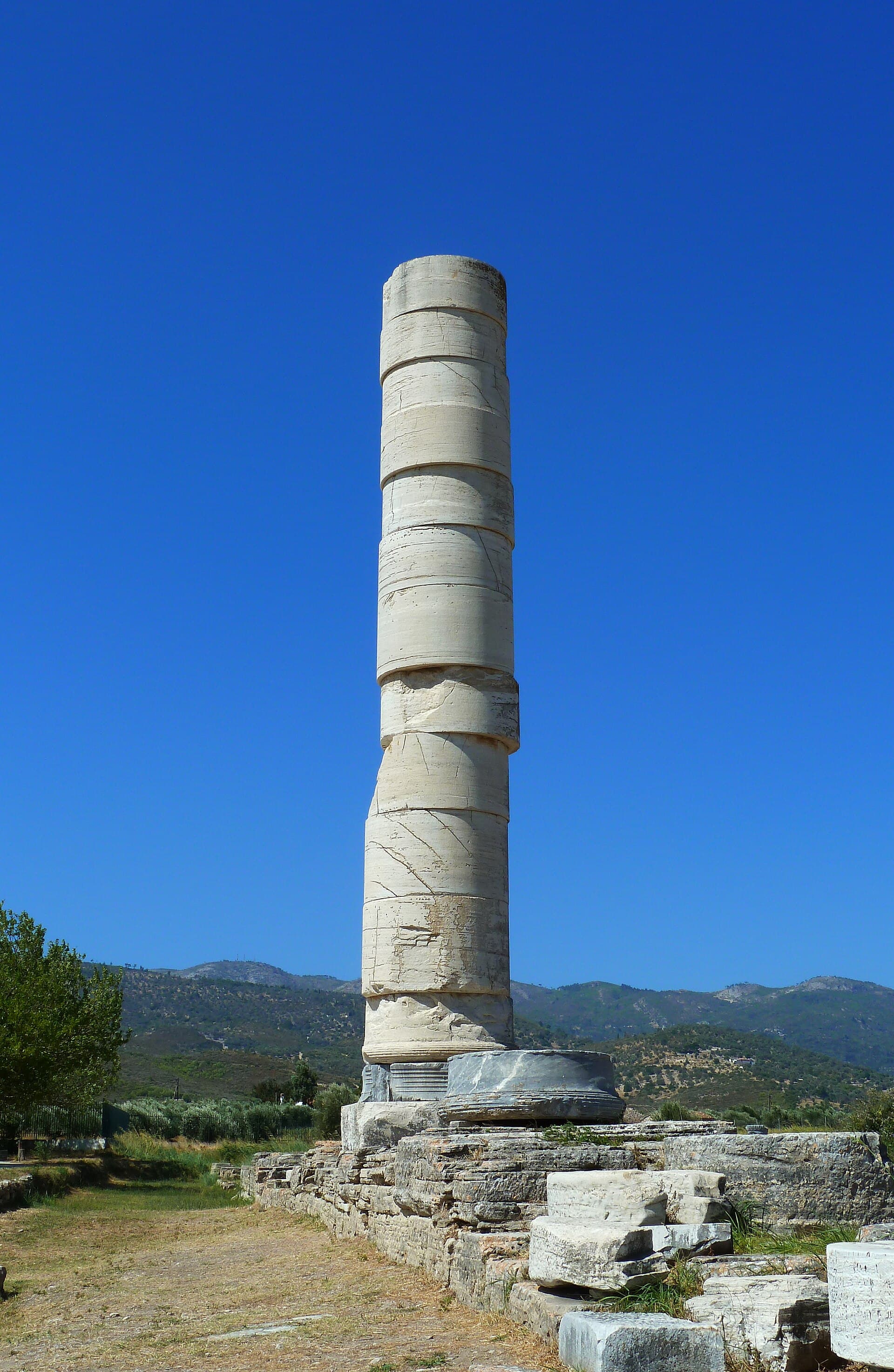
Sanctuary of Hera near the coast west of Pythagorion. A UNESCO World Heritage Site together with ancient Pythagoreion since 1992.
Samos · History
A sea power that rivalled Athens, an autonomous principality under the Ottomans, and the home island of Pythagoras, Epicurus and Aristarchus.
Timeline
c. 1000–550 BC
Ionian Greeks made Samos a trading power with colonies across the Mediterranean. Their sanctuary of Hera grew into one of the largest temples of the Greek world.
c. 538–522 BC
Under the tyrant Polycrates Samos ruled the eastern Aegean. Herodotus praised three great works of the time: the Eupalinos tunnel, the harbour mole and the Heraion.
c. 570–270 BC
Pythagoras was born here around 570 BC before founding his school in southern Italy. Epicurus and the astronomer Aristarchus were born here in the centuries that followed.
Roman, Byzantine & Ottoman
After Roman and Byzantine rule, raids left the island nearly empty by the 15th century. In the 16th century the Ottomans encouraged Greeks to resettle it, and new villages and monasteries were founded.
1824
Samos joined the Greek War of Independence. In August 1824 the Greek fleet defeated an Ottoman invasion force in the strait off the island, celebrated every year in Pythagorion.
1834–1913
The island became an autonomous principality paying tribute to the Sultan, with its own flag, parliament and prince. It declared union with Greece in 1912, which took effect in 1913.
Visit
Sanctuary of Hera near the coast west of Pythagorion. A UNESCO World Heritage Site together with ancient Pythagoreion since 1992.
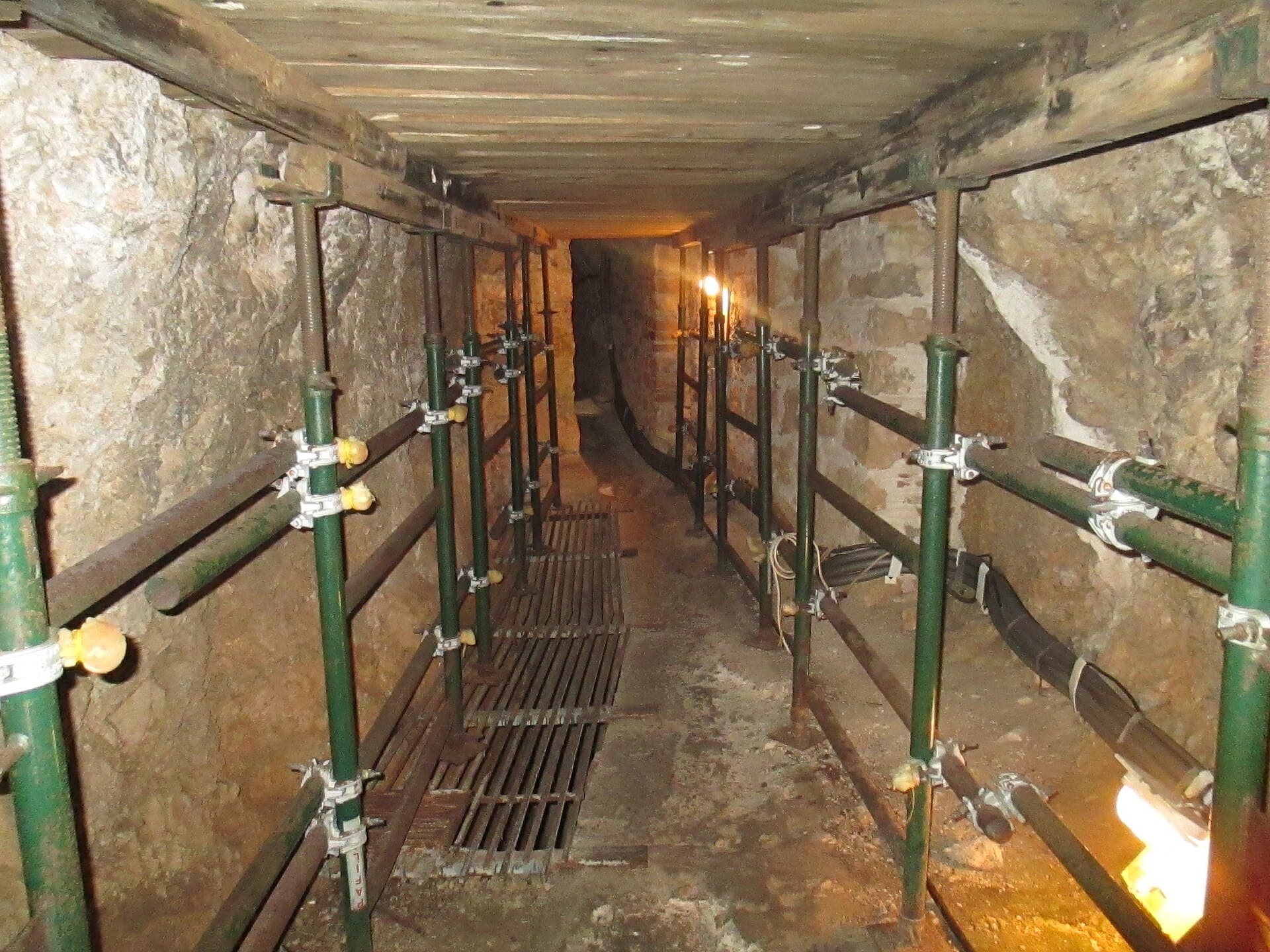
A 1,036 m aqueduct tunnel of the 6th century BC, dug from both ends at once and meeting in the middle. Guided visits cover different sections; book ahead in summer.
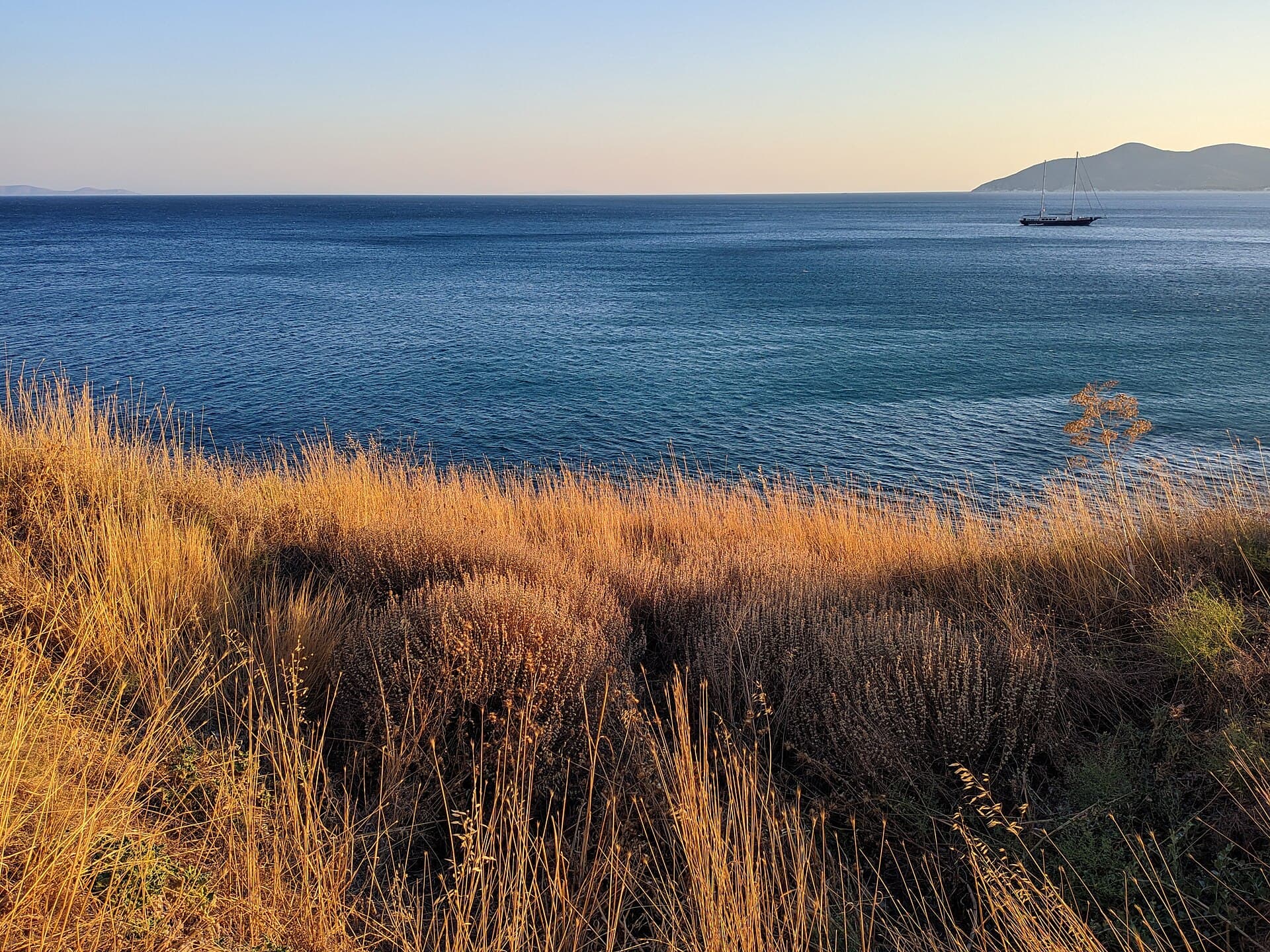
The ancient mole still shelters the harbour. Above it stands the 19th-century tower of Lykourgos Logothetis, leader of the 1821 uprising.